







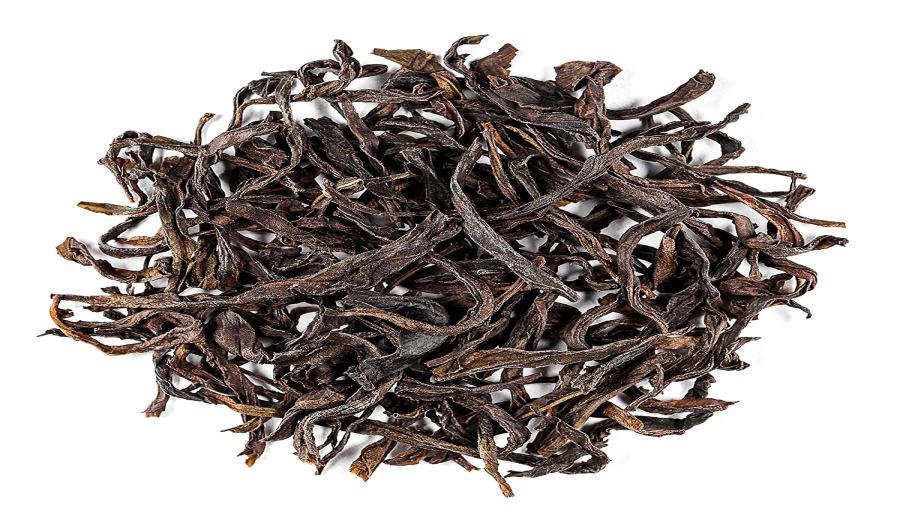
Introduction:Although its name may sound unusual, Ya Shi Xiang (Duck Shit Aroma) is actually one of the most highly regarded varieties among Phoenix Dancong teas, renowned for its distinctive fruity aroma. This article provides an in-depth comparison between the classic Ya Shi Xiang from Chaozhou’s Nanfu Tea Factory and the similarly named single-origin tea launched by Nayuki, analyzing their aroma profiles and flavor characteristics. It also delves into the origin, altitude, tree age, and tasting performance of two Ya Shi Xiang Dancong teas from 2017 and 2020, helping tea enthusiasts master key identification points and brewing techniques.
Ya Shi Xiang may sound like a prank in the tea world, but it is actually a very popular aroma type within Phoenix Dancong, celebrated for its rich fruity fragrance—far from being as peculiar as the name suggests. This article offers a detailed comparison between the classic Ya Shi Xiang from the time-honored Nanfu Tea Factory and the recently popular Nayuki Ya Shi Xiang Dancong, exploring which performs better in terms of aroma. It also guides you through the characteristic differences between the 2017 and 2020 Phoenix Dancong Ya Shi Xiang editions, covering aspects from production region altitude and tree age to flavor profiles, providing practical reference points.
First, let’s look at the 2017 Phoenix Dancong Wuyan Ya Shi Xiang. This tea is sourced from high mountain tea gardens at an altitude of about 1,100 meters. The tea liquor exhibits a distinct tropical fruit aroma, particularly the sweetness of peaches and ripe mangoes. Some batches even show a lychee-like note reminiscent of Mi Lan Xiang. Overall, the aroma is bold and multi-layered. As for the origin of its name, legend has it that it came from an old tea farmer who discovered an exceptionally aromatic tea tree but, fearing others might try to steal the plant, deliberately gave it the unassuming name “Duck Shit Aroma,” which ironically became a classic today.
Next is the 2020 Phoenix Dancong Old Bush Ya Shi Xiang, produced in Pingkengtou Village at an altitude of around 1,000 meters. The tea trees are approximately 80 years old, placing them in the old bush category. Grown in a pesticide-free environment, this tea delivers a rich and long-lasting aftertaste when brewed, with a smooth and thick mouthfeel akin to cream. Its aroma profile is complex, featuring fresh mulberries, young pears, raspberries, black cherries, mangoes, and lily floral notes. It’s best brewed with boiling water at least twice to fully unlock its potential.
Comparing Nanfu Tea Factory’s Ya Shi Xiang with the Nayuki version, Nanfu’s 2017 edition showcases a more exuberant tropical fruit aroma with strong fragrance penetration, making it ideal for tea drinkers who enjoy bold fruit flavors. In contrast, Nayuki’s Ya Shi Xiang Dancong leans toward a more modern style, with a relatively restrained aroma but still distinct floral and fruity notes, suitable for everyday drinking. As for the 2020 old bush version, it stands out with its mellow mouthfeel and enduring aftertaste, along with delicate and persistent aromas—an excellent choice for seasoned tea enthusiasts.
When enjoying these Ya Shi Xiang Dancong teas, it is recommended to use a gaiwan or purple clay teapot, with water temperature controlled between 95°C and 100°C. The first infusion can be quickly poured out to awaken the leaves, with subsequent infusions allowing slightly longer steeping times based on aroma and strength. Pay attention to changes in tea liquor color and aroma—typically, high-quality Ya Shi Xiang will display rich fruity and floral notes in the first few brews, gradually transitioning to a mellow woody character in later infusions.
In summary, the charm of Ya Shi Xiang Dancong lies in the contrast between its name and actual flavor, as well as its diverse aromatic expressions. Whether it’s the classic version from Nanfu Tea Factory, the 2020 old bush edition, or Nayuki’s modern interpretation, each showcases the unique aromatic appeal of Phoenix Dancong, making them worthy of careful tasting and comparison by tea lovers.
The above content is compiled by CoffeeHunters, a coffee news website.


