







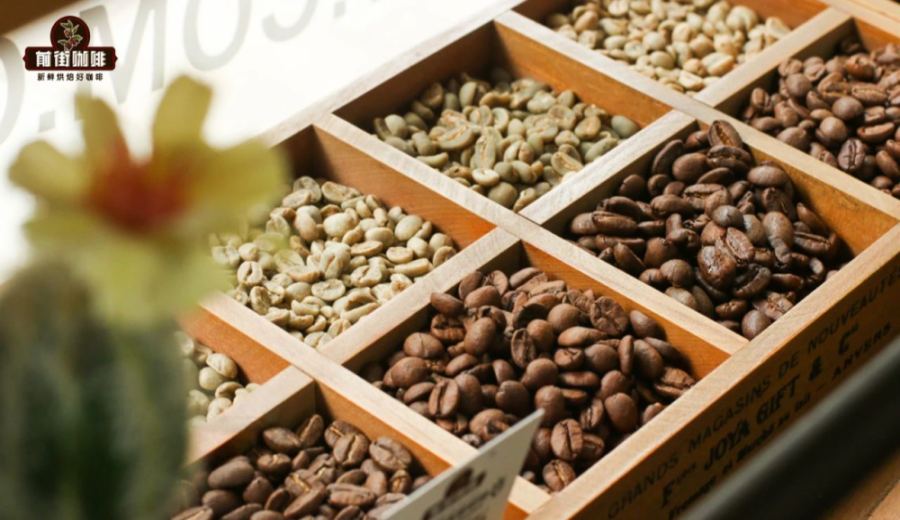
Introduction:Geisha coffee has become a standout in the specialty coffee world thanks to its distinctive floral and fruity aromas, as well as its balanced sweet and acidic profile. This article delves into how Panama’s Hacienda Esmeralda has elevated Geisha to the pinnacle of excellence. We explore the grading logic and flavor differences between Red Label, Green Label, and Blue Label, and also demonstrate brewing Red Label Geisha using a moka pot to help you master the key techniques and considerations.
In the specialty coffee field, Geisha is undoubtedly a star variety that attracts much attention. It has repeatedly won top honors in international competitions and is widely loved by coffee enthusiasts for its delicate and layered flavors. What exactly makes this coffee so sought after despite its relatively high price? We will start with the origins of Geisha, focusing on how Panama’s Hacienda Esmeralda turned it into a coffee legend. We’ll also explain in detail the grading system and unique characteristics of the Red Label, Green Label, and Blue Label. In addition, we will use a moka pot to brew Red Label Geisha, observe its performance in a latte, and share practical brewing tips.
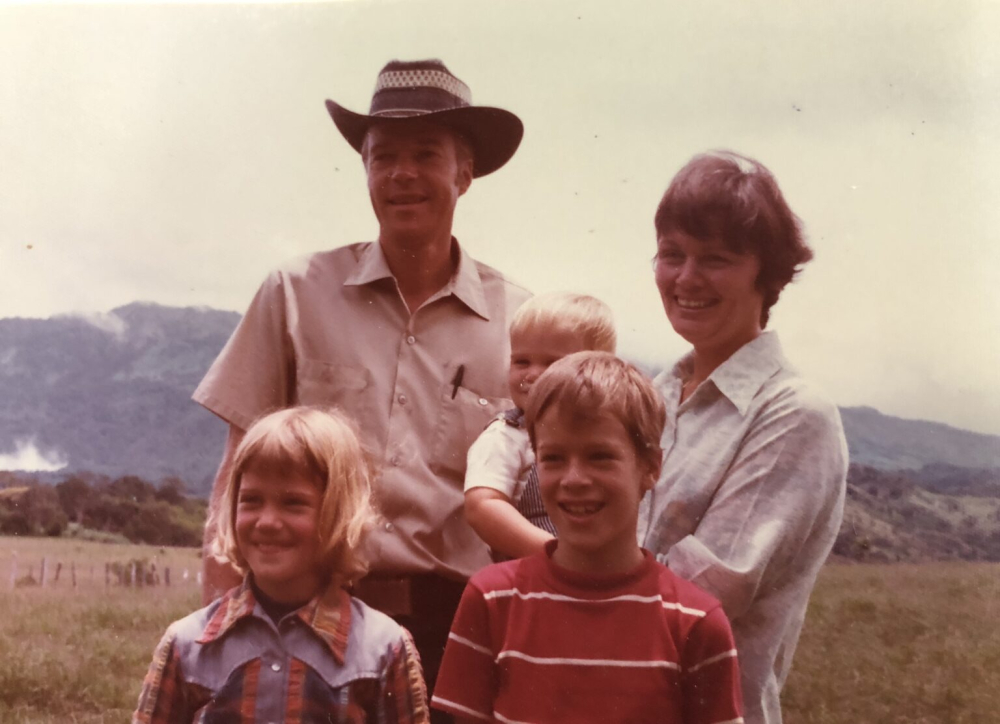
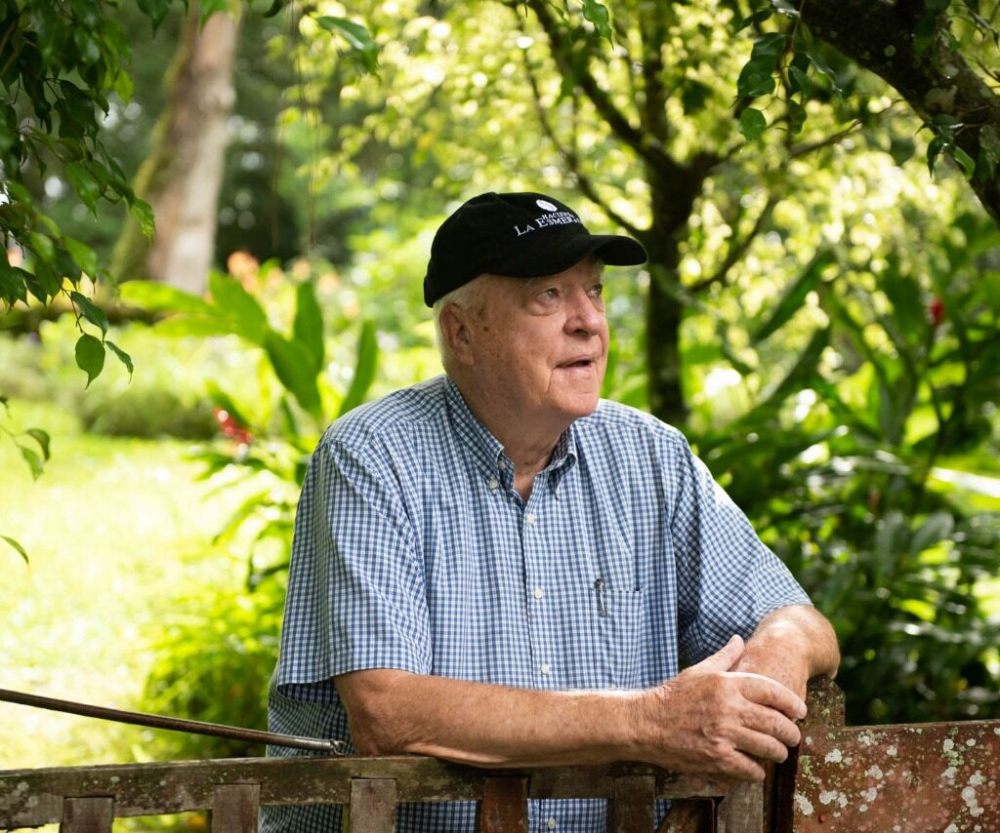
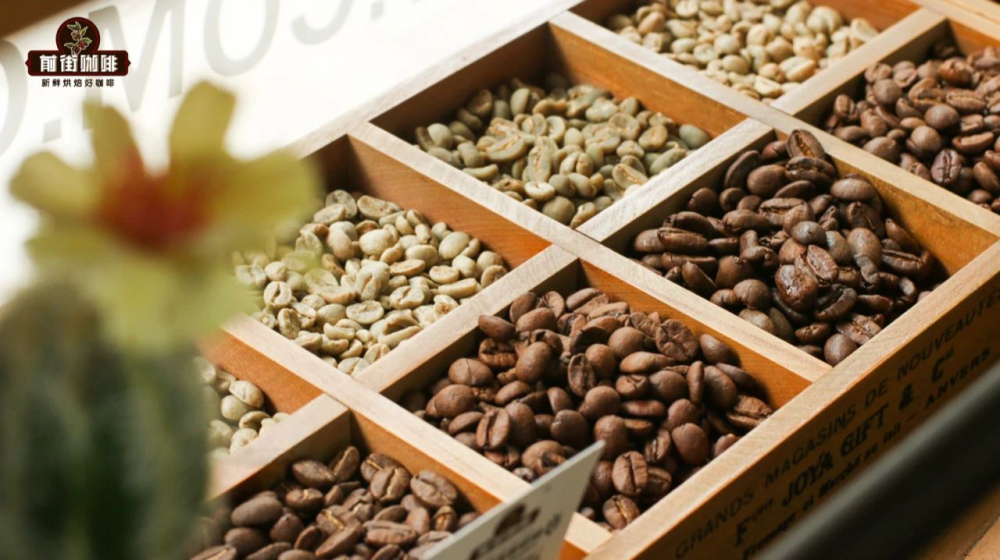 The birthplace of Geisha is actually Ethiopia, but it was Panama’s Hacienda Esmeralda that brought it international fame. The estate was originally purchased in 1964 by a retired American banker, who primarily used it for livestock farming. It wasn’t until his son gave up a career in medicine, introduced varieties such as Caturra and Catuaí, and built a coffee processing facility that it gradually transformed into a coffee plantation. During a comprehensive cupping session, they were pleasantly surprised to discover that an unnamed variety planted at high altitudes exhibited unprecedented citrus, floral, and fruity acidity — this was later identified as Geisha. The variety was then transplanted to even higher elevations and won the Best of Panama (BOP) competition in 2004, instantly gaining worldwide recognition.
Hacienda Esmeralda subsequently shifted its focus to cultivating Geisha, implementing meticulous grading based on altitude and microclimate conditions, gradually forming distinctions such as Red Label, Green Label, and Blue Label. Among them, the Red Label (Esmeralda Special) typically comes from single premium plots, such as Jaramillo, with each batch offering fully traceable origin information.The Red Label and Green Label correspond to the Esmeralda Special and Private Collection series, respectively, while the Blue Label corresponds to Geisha 1500, which is generally processed via washed method and selected from lower-altitude blocks.
Red Label Geisha not only requires cultivation at altitudes between 1600 and 1800 meters, but also demands a cupping score of 90 or above. Some auction lots are carefully selected from specific micro-plots, boasting extremely high flavor purity and uniqueness. For example, a well-known café once purchased Red Label Geisha from the Jaramillo plot, which showcased distinct terroir characteristics.Although auction lots are more expensive, non-auction Red Label still offers full traceability and classic Geisha flavors, making it an excellent value choice.
Green Label Geisha is sourced from micro-lots at estates such as Jaramillo and Cañas Verdes, at altitudes of about 1500 to 1600 meters. Although specific plots are not labeled, it maintains a high cupping score (typically over 88). The processing method is mostly washed, and the flavor profile tends to be softer, often featuring floral notes like jasmine and ginger lily, accompanied by bright acidity from sweet orange and lemon, as well as a honey-like sweetness.
As for Blue Label Geisha, it was previously sourced from Geisha-growing areas at altitudes of 1400 to 1500 meters, also using washed processing. However, due to brand positioning adjustments, production was halted between 2019 and 2022, replaced by an external brand offering “Las Rocas” (Volcanic Rock Geisha). Though less commonly seen, Blue Label remains a highly sought-after item among coffee enthusiasts.
 Identifying these three types of Geisha is quite straightforward: the Red Label features a red coffee flower on its label, the Green Label has a green background, and the Blue Label (or auction lot) uses a gray base. For consumers,the Red Label is not only the flagship representation of Hacienda Esmeralda, but also requires a cupping score of 91 or above. It comes with detailed batch information, including origin, altitude, processing method, and flavor characteristics, making it an excellent choice for those looking to deeply understand Geisha.
Is Geisha suitable for brewing with a moka pot? The answer is yes. If you want to enjoy Geisha’s bright and refreshing floral and fruity notes, pour over or drip bags are your best bet, allowing you to fully experience its flavor evolution with temperature changes. But if you prefer the smooth texture of coffee blended with milk, a moka pot latte is a great alternative. Next, we’ll use freshly roasted Hacienda Esmeralda Red Label Geisha as an example to demonstrate the moka pot brewing process.
First, measure about 20 grams of Red Label Geisha beans according to the capacity of your moka pot (e.g., 1–2 servings), and grind them to a consistency similar to fine sugar. Pour cold water (avoid hot water to prevent burns) into the bottom chamber of the moka pot, insert the filter basket, and use your fingers to evenly distribute the grounds. Slightly mound the coffee in the center, fill the edges, then assemble the top chamber and tighten it securely.
 Place the moka pot on an electric stove or gas burner and heat it over medium-low heat. When you hear a “hissing” or “whistling” sound, it means the coffee is starting to rise. Immediately turn off the heat and wait for the coffee to fully extract into the upper chamber. Freshly brewed moka pot coffee will emit a delicate aroma and feature a golden layer of coffee crema.
To make an iced latte, simply add ice cubes and fresh milk, then pour in the concentrated coffee. For a hot latte, it’s recommended to quickly add warm milk and use the milk foam to blend evenly, which can also be used for latte art to enhance presentation.Note that moka pot extraction produces less crema. If you want to make latte art, it’s advisable to use a French press to create fine milk foam for better stability and design.
 When using a moka pot, there are several key details to keep in mind:First, do not fill the water level beyond the safety valve to avoid safety risks. Second, observe the flow rate of the coffee. If it splashes, the water may be too hot. If the flow is too slow, try increasing the heat slightly.Additionally, coffee grounds cannot be reused in a moka pot, and the yield depends on experience. Beginners are advised to observe and experiment more to avoid over-extraction, which can lead to bitterness.
In summary, Geisha coffee, with its unique flavors and refined grading, is a must-try for specialty coffee enthusiasts. Whether you choose Red Label, Green Label, or Blue Label, understanding the differences in origin, altitude, and processing methods will help you select the Geisha that best suits your taste. And through hands-on moka pot brewing, you can further experience the diverse charm of Geisha across different preparation methods.
The above content is compiled by CoffeeHunters, a coffee news website.


