







Introduction:A “medical chart milk tea” launched by the School of Medicine at Fudan University went viral on social media thanks to its prescription-style packaging and fun medical-themed elements, racking up over 47 million views on Weibo in just a short time. Beyond its eye-catching design, it’s worth exploring the common ground it shares with the “TCM-inspired” creativity seen in the coffee industry. This article delves into the inspiration behind this medical trend and reveals how to strike a balance between creative packaging and product quality.
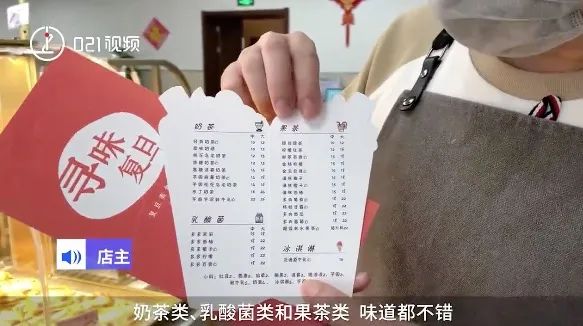
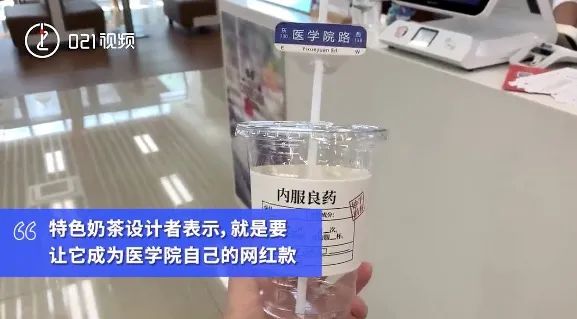
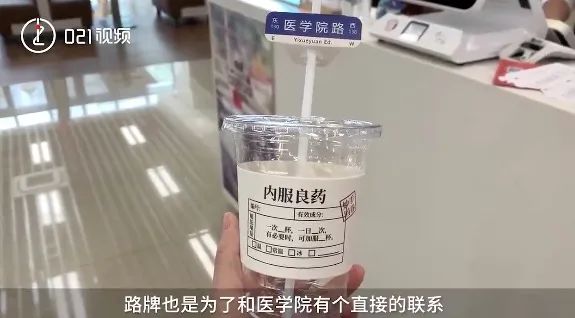
Recently, a “medical chart milk tea” created by the School of Medicine at Fudan University quickly sparked heated discussion online. The packaging design of this milk tea draws inspiration from hospital prescriptions and medical charts, featuring phrases such as “oral remedy” and “magical recovery,” which not only add a playful touch but also accurately replicate the visual style of medical documents, successfully capturing the attention of young consumers.
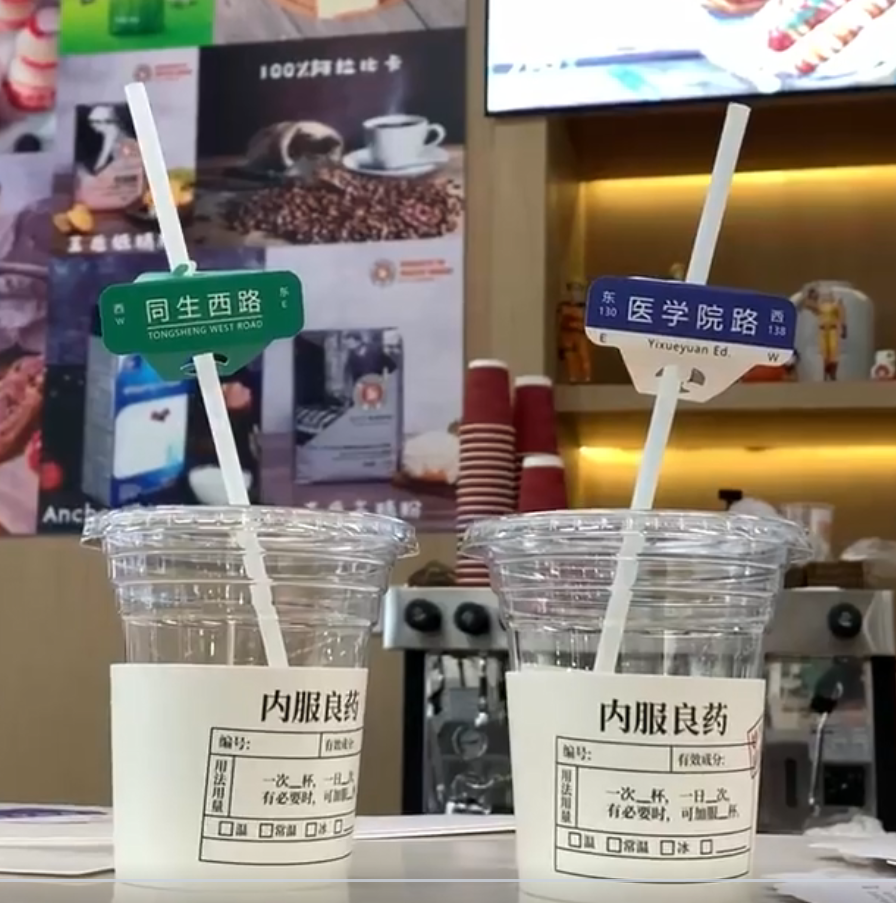
As of now, the related topic has accumulated 47.589 million views on Weibo and sparked 8,931 user discussions. In addition to the creative packaging design, the straws feature specially designed road signs from the Fudan School of Medicine campus, such as Medical College Road, Fenglin Road, and Tongsheng West Road, all reproduced at a 1:1 scale. These details showcase the designer’s ingenuity and immediately convey a strong connection to the medical school.
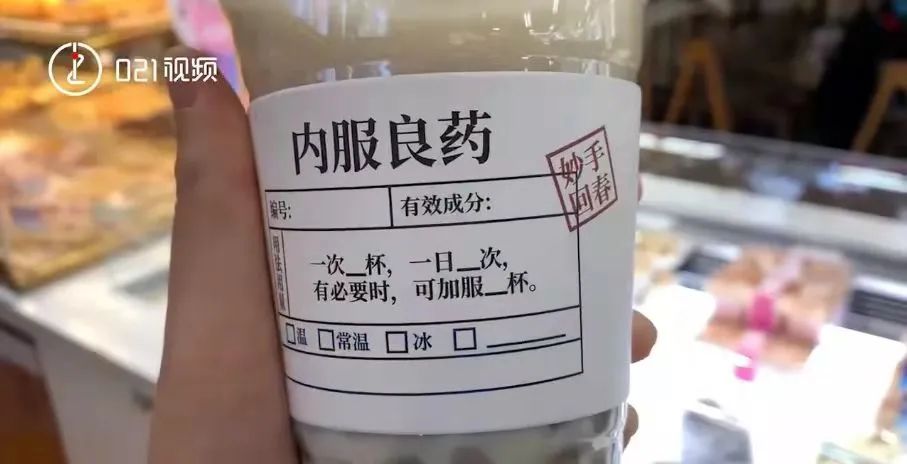
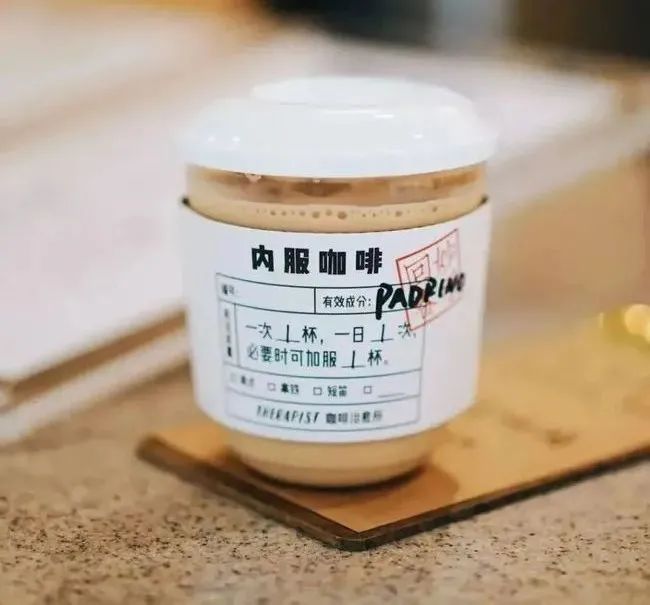
This creative integration of medical elements into beverage packaging is not entirely new. Previously, the coffee market had already seen a similar concept of “internal consumption coffee.” For example, a café themed around an herbal medicine shop called “Therapist Coffee Healing Clinic” introduced drinks marketed as “internal remedies,” with packaging that clearly listed “active ingredients” and “dosage instructions,” much like a professional prescription.
The café’s “dosage instructions” suggest “one cup at a time, once a day, with an optional additional cup if needed,” paired with playful icons like “magical recovery” and “instant cure,” closely aligning the overall style with a medical setting. It’s reported that the café is located inside a private hospital, and its spatial design is also unique, with the counter designed as a “consultation desk” and coffee ingredients displayed like medicine in simulated cabinets, creating a strong traditional Chinese pharmacy atmosphere.
Moreover, the baristas at this café wear white coats, and the process from ordering to preparation resembles a doctor “prescribing the right medicine,” allowing customers to enjoy a dramatized immersive experience while sipping their coffee. Although the cup sleeve design has since been updated to a red version with text changed to “coffee heals, all the best,” its initial medical-themed design still leaves a deep impression on many netizens.
Observing these two cases, we can see that although the medical-style designs applied to milk tea and coffee belong to different beverage categories, their core both revolve around reimagining terms like “internal consumption” and “therapeutic effect.” By realistically recreating medical documents and scenarios, they successfully create a sense of familiarity mixed with novelty in the consumer experience. This type of design not only quickly captures attention but also easily generates viral effects on social platforms.
However, for beverages, while creative packaging may bring short-term high visibility, the key to long-term success in the market ultimately lies in the product’s inherent quality. Whether it’s Fudan’s medical chart milk tea or the herbal shop-themed coffee, without consistently excellent flavor performance, even if a design initially goes viral, it’s difficult to maintain ongoing consumer support.
In the coffee market, brands that have long focused on bean selection, roasting profiles, and extraction parameters stand out among competitors and earn widespread recognition from coffee enthusiasts precisely because they adhere to a quality-oriented approach. For consumers, while novel designs may spark initial interest, what ultimately drives repeat purchases is consistent taste and professional presentation.
In summary, Fudan’s medical chart milk tea and the coffee industry’s “TCM-inspired” designs not only showcase the innovative thinking in marketing and packaging within the modern beverage industry but also reflect the younger generation’s high demand for fun and immersive experiences. However, design may attract the first glance—only continuous investment in quality and flavor can transform these creative works from short-lived internet sensations into lasting classics.
The above content is compiled by CoffeeHunters, a coffee news website.


