







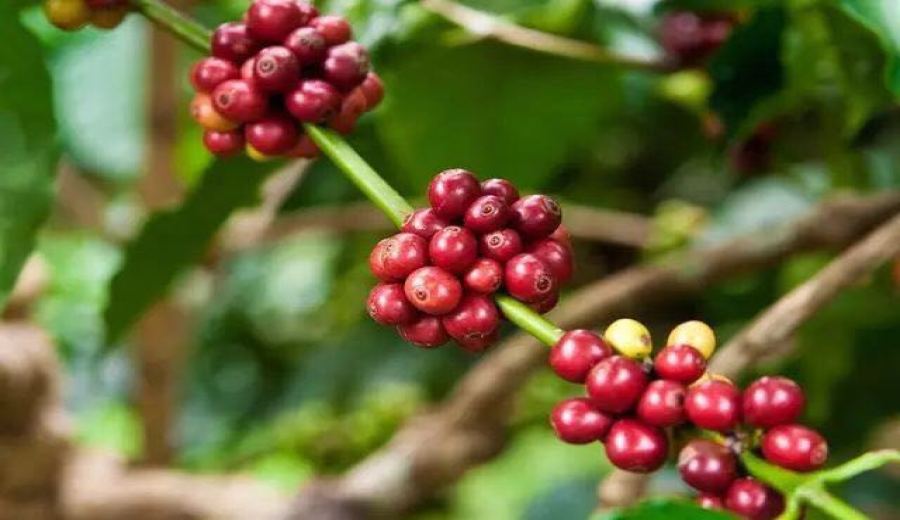
Introduction:Robusta and Arabica are the two most predominant coffee species in the world, yet many people have only a vague understanding of their differences. This article delves into the origins of Robusta, its major producing countries, and provides a comprehensive comparison between Robusta and Arabica in terms of flavor, appearance, disease resistance, and suitable usage scenarios — helping you better understand this common yet often misunderstood coffee bean.
For beginner coffee enthusiasts, hearing terms like Typica, Arabica, and Robusta from baristas can be quite confusing. In fact, these are all classifications of coffee bean varieties. Currently, the global coffee varieties are mainly divided into three types: Arabica, Robusta, and Liberica, among which Arabica and Robusta are the most common. Arabica originates from the highlands of Ethiopia and is renowned for its elegant and delicate flavors, accounting for about 70% of global coffee production; whereas Robusta originated in the Congo Basin of West Africa, known for its strong adaptability and high yield, and is mostly used in commercial blends and instant coffee production.
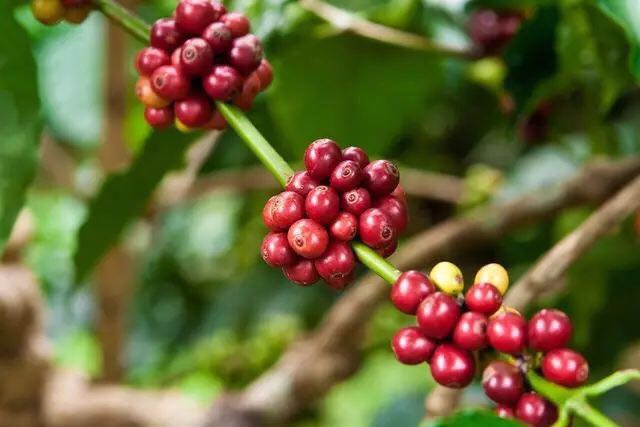
Robusta is actually a widely cultivated subspecies of the Canephora species, so many people directly equate Robusta with Canephora. Robusta originated in the Congo Basin in Central and West Africa. Due to its strong environmental adaptability, ability to grow at low altitudes, excellent disease resistance, and high yield, it has gradually become an important source of commercial coffee, accounting for about 20% to 30% of global production.
When discussing the history of Robusta, one cannot overlook its development in Indonesia. In the mid-17th century, the Dutch introduced coffee trees to the Indonesian archipelago, and in 1712, the first batch of Java coffee was shipped to the Netherlands. However, by 1877, coffee plantations in Indonesia were widely affected by coffee leaf rust, and the originally planted Arabica varieties were almost completely wiped out. As a result, more disease-resistant Robusta varieties were reintroduced from Africa to replace the original coffee tree species. To this day, Indonesia remains one of the world’s important Robusta-producing regions.
Another major producing country is Vietnam, where coffee cultivation is dominated by Robusta, with only a small amount of Arabica. Robusta beans produced in Vietnam are widely used in commercial blends and are also a primary ingredient in many instant coffee products. In addition, West African countries including Algeria and Angola are also significant Robusta-producing regions.
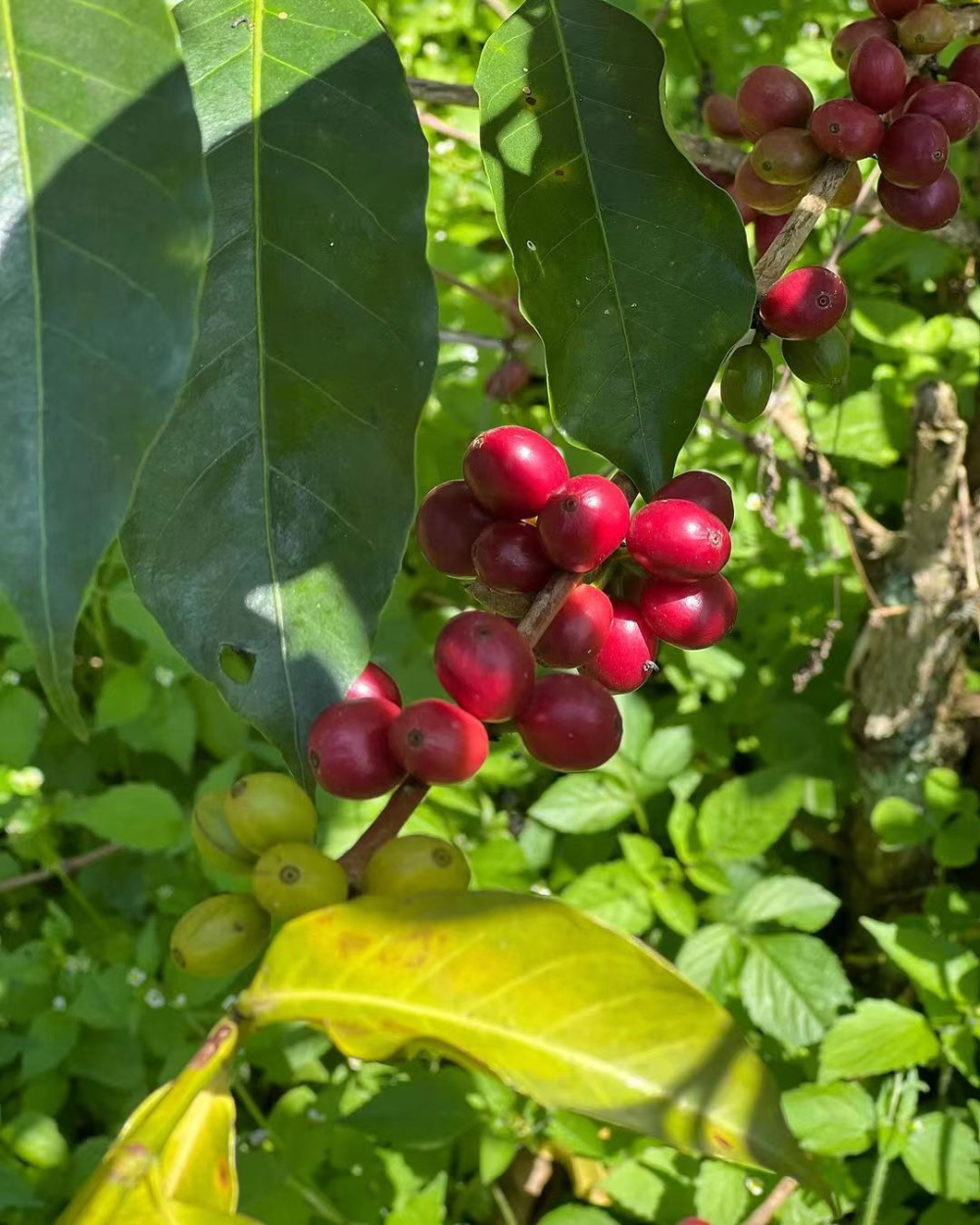
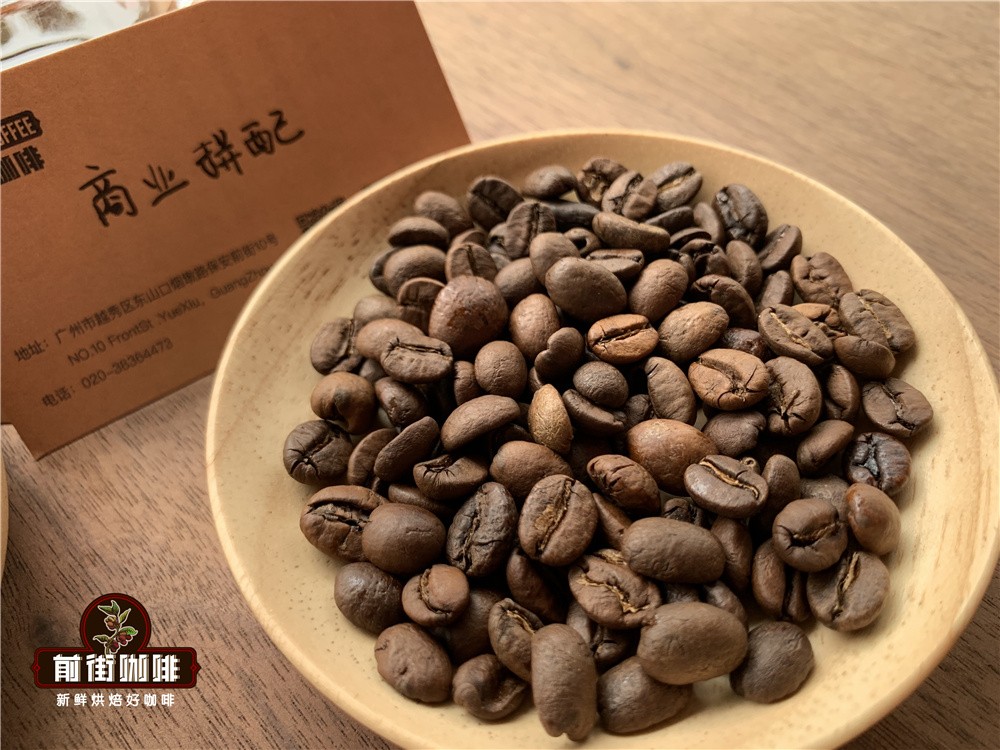
In terms of appearance, Robusta coffee beans are “one fruit, one bean,” meaning each fruit contains only one coffee bean. The beans are more round in shape, often resembling a “C” shape, with a prominent straight center line shaped like the number “1,” and the raw beans are yellowish-brown in color. In contrast, Arabica beans are mostly “one fruit, two beans,” with flatter, more slender appearances.
In terms of flavor profile, Robusta and Arabica show significant differences. Robusta contains a high caffeine content of 2% to 3%, along with higher levels of chlorogenic acid and acidity, resulting in a bolder, fuller-bodied flavor. It often features notes of nuts, peanuts, grains, and even earthiness, but lacks the delicate floral and fruity aromas characteristic of Arabica. Due to its intense taste and rich coffee oils, Robusta is commonly used in espresso blends to enhance crema and body. It is also widely used in instant coffee, canned coffee, and industrial coffee products.
Robusta has exceptional adaptability, capable of growing in low-altitude (typically below 800 meters) and high-temperature environments, unlike Arabica, which requires high altitudes (800 to 2000 meters) and meticulous care. Arabica is very particular about its growing environment, usually cultivated in high-altitude coffee belts between the Tropic of Cancer and the Tropic of Capricorn, such as well-known producing countries like Ethiopia, Kenya, Colombia, and Brazil. Arabica beans from these regions are often categorized as specialty coffee.
Furthermore, Robusta performs excellently in terms of disease and pest resistance. Its caffeine content is approximately twice that of Arabica, acting as a natural insect repellent that effectively wards off most pests. From a botanical perspective, Arabica is self-pollinating with lower genetic diversity, making it susceptible to large-scale losses when faced with diseases such as coffee leaf rust; whereas Robusta is cross-pollinating, with more diverse genetic combinations that allow it to adapt more flexibly to environmental changes. As a result, Robusta demonstrates significantly better disease resistance than Arabica.
However, Robusta also has clear disadvantages, the most prominent being its flavor profile. Due to its high chlorogenic acid and caffeine content, its flavor tends to be monotonous and bitter, lacking the delicate and varied aromatic layers of Arabica. As a result, Robusta is rarely considered in most specialty coffee evaluations and is mainly used in commercial blends or ready-to-drink markets.
In summary, both Robusta and Arabica have their own strengths and weaknesses. If you’re pursuing delicate floral and fruity aromas with a balanced acidity and sweetness, Arabica is the better choice; but if you prefer a bold and full-bodied taste, or need a beverage with a higher caffeine intake, Robusta can offer a more intense flavor experience. Understanding the characteristics of these two types of coffee beans can help you make more suitable choices when purchasing or brewing.
The above content is compiled by CoffeeHunters, a coffee news website.


