







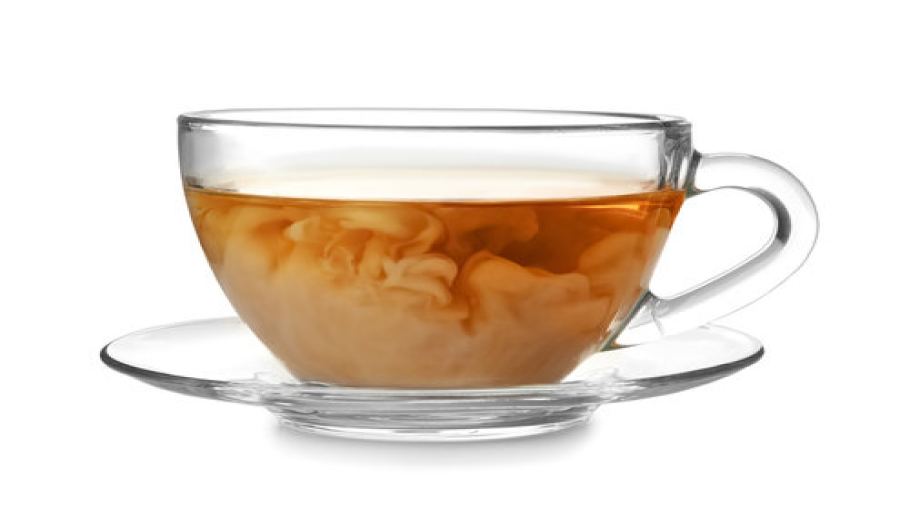
Introduction:Do you know why some people insist on pouring tea first while others prefer to add milk first? From Tibetan butter tea to British working-class tea, the combination of milk and tea has traversed time and space, carrying both cultural and scientific significance. This article delves into the historical origins of milk tea, the science behind the order of adding milk, and the interaction between tannins and milk, helping you master the key techniques and flavor balance for brewing the perfect cup of milk tea.
Among the many tea-drinking cultures, the pairing of milk and tea has stood the test of time. From the butter tea of the Tibetan Plateau and India’s spiced masala chai to the milk-added black tea that is an indispensable part of the British working class’s daily life, this combination has long transcended being just a beverage and become a cultural symbol. But have you ever wondered why some regions prefer to pour tea first while others insist on adding milk first? Behind this lies not just taste preference, but also historical background and scientific principles.
Regarding the origin of adding milk to tea, many assume it to be a British invention. However, as early as 781 AD, when Chinese tea was introduced to Tibet and Mongolia, local residents began adding dairy products to their tea, forming the early prototype of butter tea. As for India, the prototype of masala chai can be traced back to ancient Ayurvedic drinks, but the addition of tea leaves only became widespread after the British established tea plantations there in the 19th century.
So why do people choose to add milk to tea? One widely accepted theory relates to the quality of early tea leaves. In the 17th and 18th centuries, tea transported by sea to Western Europe might have been improperly stored or even adulterated, resulting in unpleasant flavors and a sharp taste. To mitigate this bitterness and astringency, people began adding milk to soften the overall flavor.
Another interesting explanation involves the teaware of the time. Early European ceramic teacups were fragile and expensive, and pouring hot tea directly into them could cause them to crack due to thermal shock. It was discovered that adding a small amount of cold milk first helped the cup gradually adjust to the temperature, thereby reducing the risk of breakage.
Additionally, nutritional and practical considerations also played a significant role in popularizing the habit of adding milk. In Tibet, adding milk and butter to tea not only enhanced the flavor but also provided extra calories and nutrition, helping people cope with the harsh conditions of high-altitude regions. Similarly, during the British Industrial Revolution, the working class developed the habit of adding milk and sugar to their tea to maintain energy during long hours of labor. This beverage, known as “workers’ tea,” became an important daily source of sustenance.
From a scientific perspective, tannins are one of the key components affecting the taste of tea. Especially in high-tannin black teas, tannins can bring about a noticeable astringency and dryness in the mouth. The proteins in milk can bind with tannins, effectively reducing the astringent taste and giving the tea a smoother, more rounded mouthfeel. In some cases, it may even add a hint of natural sweetness. This effect is particularly noticeable in lower-quality or higher-tannin black tea blends.
As for the debate over whether to pour tea or milk first, it is also related to the final extraction and flavor release of the tea. Generally speaking, if you want to highlight the tea aroma and the layered profile of the tea itself, it is recommended to pour the tea first and then add an appropriate amount of milk according to personal taste, allowing for more precise control over the proportion and timing of the milk. Conversely, if you prefer a softer, more milk-forward flavor, adding a small amount of milk first and then pouring in hot tea can allow the milk and tea to blend more evenly, reducing the excessive astringency released when tea leaves come into direct contact with hot water.
No matter which method you prefer, understanding these historical backgrounds and scientific principles can help you make more informed choices when brewing milk tea in your daily life, crafting the perfect cup that suits your taste. From tea quality and water temperature control to the ratio of milk, every detail will influence the final flavor profile—something every coffee and tea enthusiast can appreciate and experiment with.
The above content is compiled by CoffeeHunters, a coffee news website.


