







Introduction:Mandheling coffee from Sumatra, Indonesia, is renowned for its bold, full-bodied profile and distinctive herbal-spicy character. One of the key factors behind this unique flavor lies in the region’s distinctive wet hulling processing method. This article delves into this coffee bean processing technique unique to Indonesia—from its origins and background to detailed steps—helping you understand how wet hulling affects the appearance and flavor profile of the beans, as well as how varying processing qualities influence the final cup. By the end, you’ll gain a deeper appreciation for the unique charm of Mandheling.
Indonesia has a tropical rainforest climate, characterized by high temperatures and humidity year-round, with frequent rainfall and elevated air moisture levels. Such an environment poses significant challenges for drying coffee cherries. It is under these special conditions that the globally unique wet hulling process (also known as wet stripping) was developed. The Mandheling coffee from the Sumatra region owes its low acidity, full body, and herbal-spicy notes not only to local altitude, soil, and coffee variety—but also largely to the wet hulling method.
Compared to the traditional washed process, wet hulling combines elements of both washed and natural (sun-dried) methods, with the primary goal of accelerating the drying process while reducing the risk of mold. Generally speaking, while the washed method ensures cleanliness and bright acidity, it requires substantial water resources and can lead to environmental pollution due to fermentation wastewater. On the other hand, the natural process doesn’t demand much water but struggles to effectively control drying speed and evenness in humid environments, often resulting in mold or over-fermentation.
The wet hulling process follows a relatively unique workflow. First, coffee farmers select ripe coffee cherries and perform floatation to remove unripe cherries, impurities, and dust using water buoyancy. Next, the selected cherries are sent through a pulper to remove the outer skin and pulp, while deliberately leaving the mucilage layer intact. These mucilage-covered beans are then soaked in water tanks for 12 to 36 hours of fermentation, allowing the mucilage to break down naturally for easier subsequent washing.
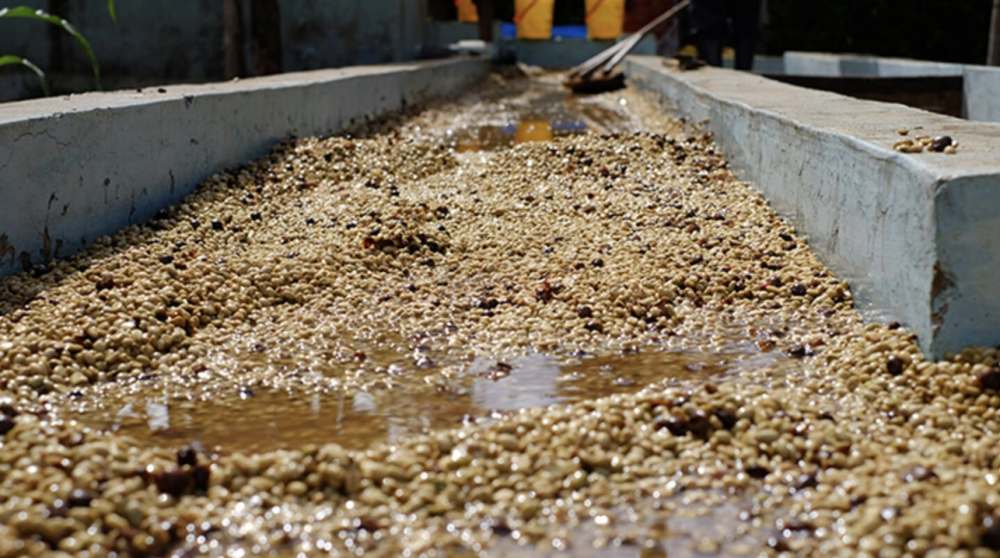
After fermentation, the beans are thoroughly rinsed with large amounts of clean water to remove any remaining mucilage and impurities. At this stage, the beans still retain considerable moisture, so they are spread out on the ground for initial sun drying—typically for about two days—until their moisture content drops to around 30–50%. During this phase, the beans are semi-dry and semi-hard, and their firmness directly influences the next step in processing.
Once the beans reach an appropriate moisture level, the next step is to use a hulling machine to remove the parchment layer surrounding the bean. Notably, at this point, the beans are not fully dry and are relatively soft, so greater pressure is required during hulling. This often leads to physical compression damage, resulting in what is known as “elephant foot” marks—visible indentations or cracks on one side of the bean. While such physical damage doesn’t affect the internal quality, it gives the beans an irregular shape, becoming one of the telltale visual characteristics of wet-hulled beans.
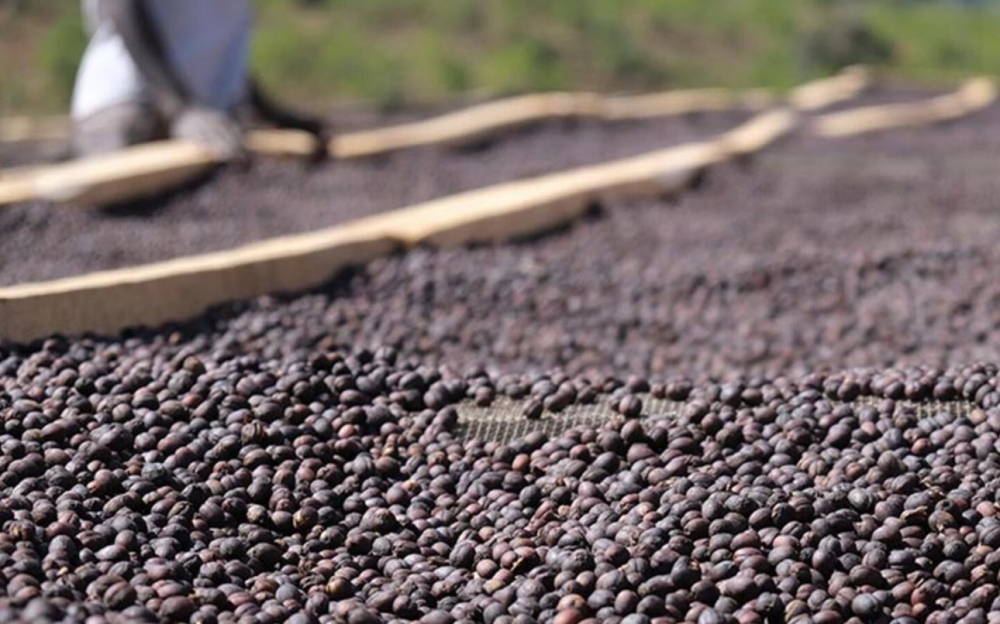
Finally, the hulled beans undergo another round of sun drying for about two days until their overall moisture content is reduced to the standard storage level of around 12%. Only then is the entire wet hulling process complete. This method not only drastically shortens the drying time but also, by removing the parchment at a semi-dry state, results in green beans with a unique bluish-green hue and a refreshing herbal aroma.
Observing Mandheling green beans processed via wet hulling, you’ll notice their color tends toward blue-green, their shape resembles a goat or horse hoof, and they emit a distinct grassy, vegetal fragrance. Compared to traditionally washed beans, wet-hulled coffee typically exhibits lower acidity yet boasts a richer, fuller body along with unique herbal, spicy, and even earthy notes. These flavor characteristics have become the hallmark of Sumatran Mandheling.
However, it’s worth noting that even when using the wet hulling method, the final flavor profile of the coffee can vary depending on the original bean quality and the specifics of the processing. If the beans come from low-altitude regions or if temperature and drying uniformity aren’t properly managed during the drying process, issues such as impurity absorption, uneven fermentation, and off-flavors like earthiness or mold may arise. Therefore, selecting wet-hulled Mandheling from stable sources with standardized processing practices is key to truly experiencing its unique flavors.
The above content is compiled by CoffeeHunters, a coffee news website.


