







Introduction:As a classic variety of black tea, non-smoked Lapsang Souchong is widely loved for its fresh floral and fruity aroma and smooth, mellow taste. This article delves into the dry tea fragrance characteristics of this tea, the optimal brewing water temperature and steeping time settings, and takes you through its flavor layers and infusion endurance, while also providing practical storage tips to help you fully unlock the potential of this high-value-for-money black tea.
Lapsang Souchong is hailed as the origin of world black tea and is divided into two main types: smoked and non-smoked. The black tea raw material used by Xi Cha falls under the non-smoked version. This type of tea does not undergo smoking treatment, preserving the natural aroma and pure taste of the leaves. It is also regarded by many tea enthusiasts as one representative style of traditional Lapsang Souchong.
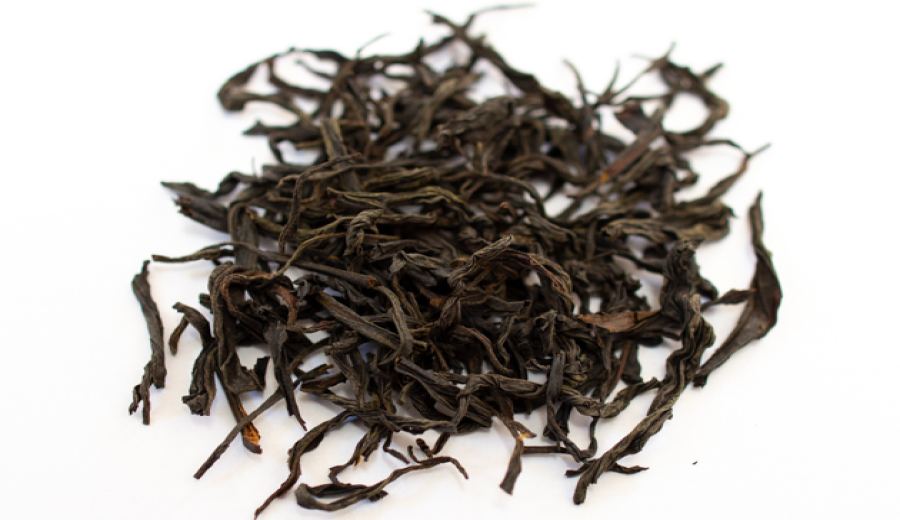
This non-smoked Lapsang Souchong features tightly rolled strips with a dark, glossy appearance. Upon opening the tea bag, you can immediately detect a distinct dry tea aroma, primarily led by osmanthus, complemented by subtle hints of almond and malt. The overall fragrance is fresh and well-balanced, making it very appealing. This aromatic profile is also one of the key indicators of high-quality non-smoked tea.
In terms of brewing suggestions,it is best to control the water temperature at around 90°C. This temperature helps to bring out the floral and fruity notes of the tea while preserving its delicate flavor layers. However, if you wish to experience a richer and more intense body, you may also try using freshly boiled hot water (close to 100°C). In this case, the almond aroma and subtle date-like sweetness in the liquor will become more pronounced, and the mouthfeel will be fuller.
When brewed at 90°C for the first infusion, the liquor reveals a gentle underlying depth of agarwood, accompanied by the osmanthus aroma from the dry tea stage. Even with a slightly extended steeping time of up to 20 seconds, the liquor remains smooth, with almost no astringency or bitterness detected. The overall flavor profile is rich, showcasing notes from floral and fruity to grain-like undertones. It’s worth mentioning that while the dry fragrance and tasting notes correspond to each other, they are not entirely identical, presenting a unique sense of harmony.
The aroma of this tea exhibits the typical characteristics of Lapsang Souchong—its indescribable yet highly distinctive floral and fruity notes run through every brew, forming the core of its flavor profile. In practical testing, even after seven consecutive infusions, the tea still retained a noticeable taste. In terms of leaf quality, it might even extend to ten or more infusions, though attention should be paid to caffeine intake in later brews.
Regarding storage, this tea is usually vacuum-sealed in packages of 5 grams each. It is recommended to store unopened packages in a cool, dry place, where they can remain fresh for approximately one to three years at room temperature. For those wishing to maintain freshness over the long term, refrigeration can effectively slow down aroma loss and oxidation. However, if you prefer a livelier taste upon fresh brewing, refrigeration is the better option.
When brewing, it is recommended to start with shorter steeping times. For example, in a 100 ml teapot or gaiwan, usea 10 to 15-second pouras an initial reference. Practical tests show that even when extended to 20 seconds, the tea still performs excellently, demonstrating the high quality of the raw materials and the precision of the production process. Professional advice suggests that non-smoked Lapsang Souchong is best brewed witha slightly lower water temperature combined with flexible steeping times, which allows for a balance between fresh aromatic expression and a rounded, full-bodied taste.
Overall, this non-smoked Lapsang Souchong stands out as one of the representative high-value black teas, thanks to its delicate floral and fruity aroma, smooth mouthfeel, and excellent infusion endurance. Whether enjoyed daily or used as a base for blending, it showcases its unique charm and is well worth exploring for black tea enthusiasts.
The above content is compiled by CoffeeHunters, a coffee news website.


