







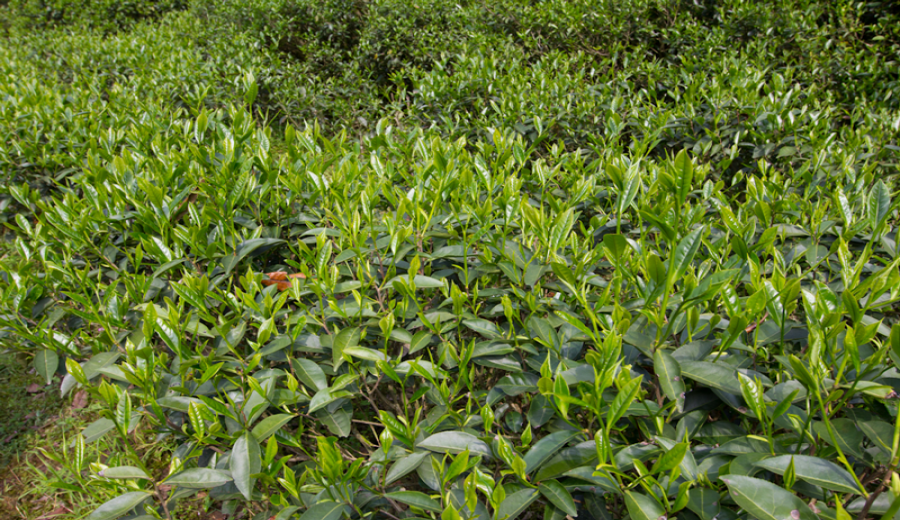
Introduction:As the origin of world black tea, Lapsang Souchong’s distinctive smoky flavor and its premium non-smoked versions often puzzle tea enthusiasts. This article delves into the authentic production region of Lapsang Souchong, clarifies the difference between smoked (Zheng Xiao Zhong) and non-smoked (Zheng Shan Xiao Zhong) varieties, and introduces you to the precious flavors of high-grade Qizhong black tea. It also offers practical purchasing advice to help you find the black tea that best suits your taste.
Revered as the ancestor of global black tea, Lapsang Souchong not only holds an important place in European tea culture but is also divided into two major types based on its unique flavor profile: heavily smoked and premium non-smoked. To understand this classic black tea, we must start with its most authentic place of origin.
Lapsang Souchong with its intense smoky aroma is many people’s first impression of this tea. Its smokiness resembles the peaty Scotch whisky from the Isle of Skye in Scotland—strong and distinctive. This smoky flavor mainly comes from the traditional production process involving pine wood smoking during the drying stage, which adds a profound depth to the tea liquor.
In contrast, Chinese premium tea enthusiasts tend to prefer the non-smoked version of Lapsang Souchong. This type of tea usually comes from the Tongmuguan tea region at altitudes above 1,100 meters and is made from seed-grown old-tree tea leaves. These tea trees are directly sown from seeds, grow in a natural environment, and have rich internal tea substances, resulting in a uniquely exceptional flavor base.
In terms of production techniques, premium Lapsang Souchong often incorporates partial fermentation methods inspired by oolong tea and is slowly roasted with low-temperature charcoal fire. This brings out delicate fruity notes such as tropical fruits and peach. This technique not only preserves the original flavor of the tea leaves but also gives them a smoother and more mellow mouthfeel.
It’s worth mentioning that most of the premium Qizhong black tea currently available on the market was harvested in the spring of 2020. That spring saw extremely low rainfall, slowing the growth rate of the tea leaves and allowing their internal components to accumulate more fully. As a result, this batch of Qizhong black tea exhibits particularly outstanding aromatic performance, with clear and long-lasting floral and fruity notes—a vintage that tea lovers shouldn’t miss.
As the premium representative within Lapsang Souchong, Qizhong black tea boasts a richly layered flavor. Upon tasting, one can perceive fruity notes along with a hint of honey, followed by a distinct sweet aftertaste. For those new to black tea, this flavor is clear and easily recognizable, making it an excellent choice for experiencing high-grade black tea.
When selecting Lapsang Souchong or Qizhong black tea, it is recommended to pay attention to whether the tea leaves have tightly twisted strips, an oily luster, and whether the dry tea emits a fresh aroma. When brewing, it is advised to use water at 90–95°C, with an infusion time of 3–5 minutes, to fully release the tea’s aroma and flavor.
Whether you prefer the traditional smoky flavor of classic Lapsang Souchong or the refreshing fruity notes of the premium non-smoked version, understanding the regional characteristics and production techniques of these black teas can help you make more precise choices and enjoy the richly diverse flavor journey within the world of black tea.
The above content is compiled by CoffeeHunters, a coffee news website.


