







Introduction:Want to delve deeper into the uniquely flavorful Hawaiian Kona coffee? This article will take you through the region’s geography, historical development, rigorous grading system, and washed processing methods to fully explore this highly acclaimed island specialty coffee. It not only explains the appearance characteristics and grade differences of Kona coffee beans, but also includes practical details on washed processing techniques to help you better appreciate what makes it so special.
Located on the western coast of Hawaii’s Big Island, the Kona coffee growing region is often mentioned in the same breath as Jamaica’s Blue Mountain and is hailed as one of the “king and queen” of the world’s top-tier coffees. Blessed with unique volcanic soil and a maritime climate, this area can still produce richly flavored, well-balanced acidic and sweet coffee beans even at low altitudes of just 200 to 800 meters. From the initial introduction of coffee in 1817, through subsequent challenges such as pests, diseases, and variety changes, Kona coffee has ultimately established its premium status through refined cultivation practices and strict quality control.
Long before the concept of specialty coffee became widely known, the international market's evaluation of top-tier coffee was heavily influenced by the Japanese consumer market. At that time, there was already talk of a “king and queen,” referring respectively to Kona and Blue Mountain coffees. Although specialty coffee is generally believed to be grown at altitudes above 1200 meters, the Kona region is a special exception. The abundant sunshine, coupled with the fertile volcanic soil of Hawaii, results in coffee beans that exhibit distinct fruity acidity and sweet aftertastes, even at lower elevations.
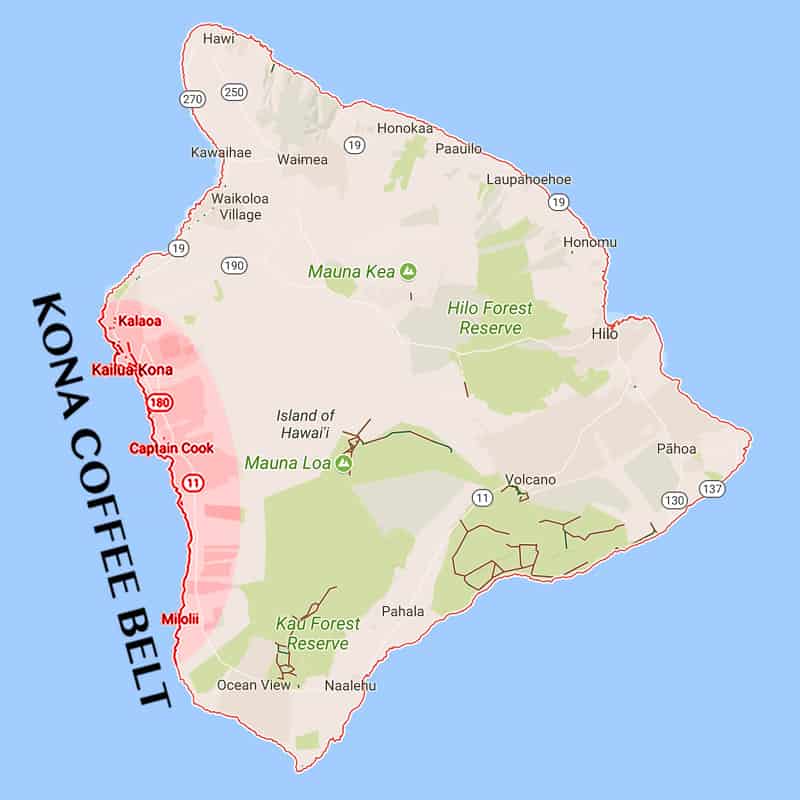
Although the island of Hawaii is not very large, coffee cultivation is mainly concentrated in a narrow strip along the island’s western coast, commonly known as the “Kona Coffee Belt.” This zone stretches from Makalei to Oceanview, covering areas including North Kona, South Kona, and Ka’u, with a total length of about 30 miles and a width of approximately 2 to 3 miles. This area is the heart of Kona coffee production and one of the few places in the world capable of producing such uniquely flavored island-grown Arabica.
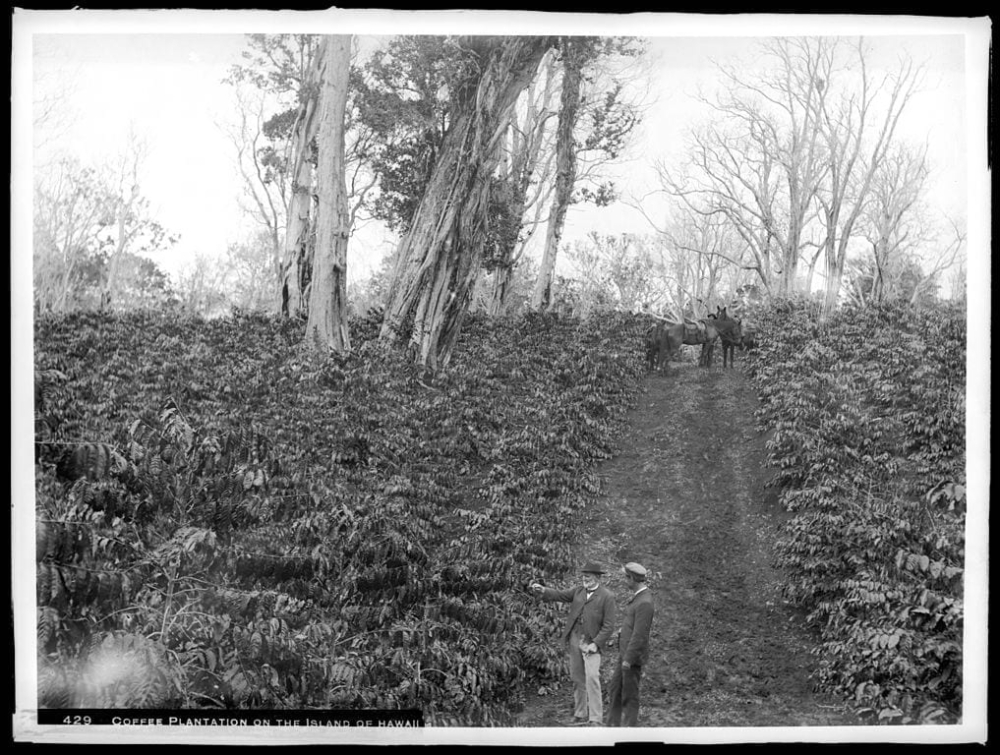
Hawaii’s coffee-growing history began in 1817, when a man named Don Francisco de Paula Marin first attempted to introduce coffee, though without success. It wasn’t until 1825 that officials on Oahu planted the first coffee trees from Brazil in the Manoa Valley, though these also failed to scale up. The real turning point came in 1828, when American missionary Samuel Ruggles brought the Bourbon variety from Brazil to Hawaii’s Big Island. Planting gradually expanded from there, and both the yield and reputation of Kona coffee grew. However, a coffee berry borer outbreak in 1850 led many farmers to switch to sugarcane, temporarily hindering the industry’s progress.
It wasn’t until 1892 that Hermann Widemann, a German judge in the Kingdom of Hawaii, introduced the Typica variety from Guatemala. Better suited to the local environment and more stable in yield compared to the Brazilian variety, Typica gradually replaced the earlier Brazilian beans and became the main cultivar of today’s Kona coffee. Notably, this Typica from Guatemala was officially named “Kona Typica” by the local government in the 1990s to highlight its regional uniqueness.
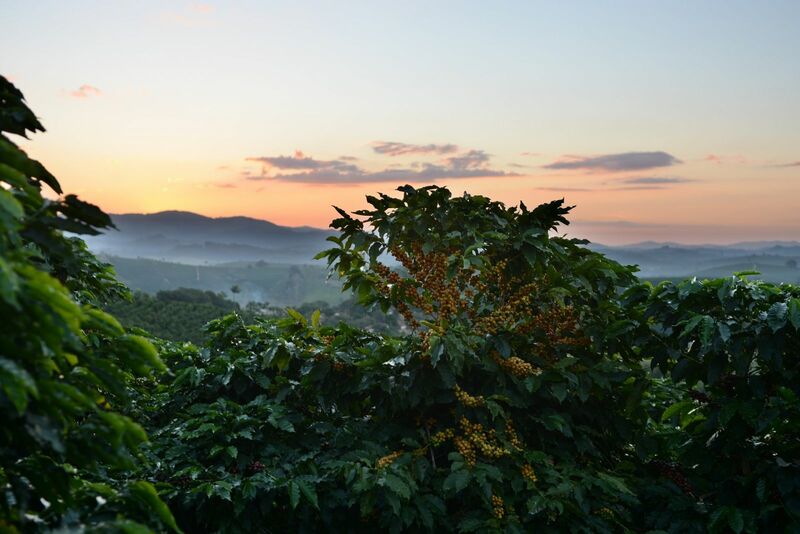
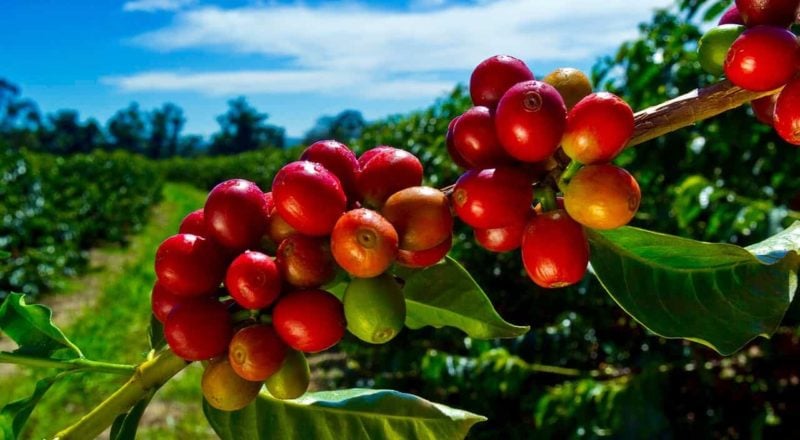
Every year from February to March is Kona’s coffee flowering season, when coffee farms are covered with pure white blossoms that fill the air with fragrance. From a distance, the scene resembles a blanket of snow—so romantically referred to by locals as “Kona Snow.” After the blooming period, small green berries gradually grow, turn red, and become the familiar “coffee cherry,” showcasing a vibrant tropical growth process.
Kona coffee beans are renowned for their vibrant green, plump appearance and jade-like clarity, qualities that stem from a strict green bean grading system and manual sorting process. Kona coffee beans are mainly divided into two types: peaberries (Type 2) and regular beans (Type 1). Among them, the most common Type 1 is further subdivided into five grades based on appearance, size, defect rate, and moisture content. From highest to lowest, these are Extra Fancy, Fancy, No.1, Select, and Prime. Taking the top-grade Extra Fancy as an example, its beans are about 19/64 of an inch in size, with no more than 10 defects per pound of green beans, and a moisture content controlled between 9% and 12%. This reflects Kona coffee’s pursuit of exceptional quality.
With abundant water sources in Hawaii, the washed processing method is widely used. After harvesting, ripe coffee cherries have their outer skin and pulp removed, then are placed in water tanks for fermentation lasting 12 to 48 hours to soften and separate the sticky mucilage layer. Once fermentation is complete, clean water is used to thoroughly wash away any residual mucilage, after which the parchment-covered beans are spread out on large flat surfaces to dry naturally in the sun. This washing process not only improves cleanliness but also allows the beans to absorb more natural acids, such as citric and malic acids, thereby enhancing the final cup’s bright acidity and layered complexity.
In terms of roasting and brewing recommendations, to fully showcase the juicy and tropical character of Kona coffee beans, a medium roast is suggested to balance acidity, sweetness, and body. For actual brewing, you can use a Hario V60 filter cone, with a water temperature of 91°C and a medium-fine grind (such as a 20-mesh sieve passing rate of about 75% by Chinese standards). The recommended powder-to-water ratio is 1:15. The specific steps are as follows: start with a 30-second bloom using 30 grams of hot water, then slowly pour water in small streams in a circular motion from the center out to 125 grams for the first pour. Continue pouring until you reach 225 grams, then stop. Allow all the water to fully drip through the filter cone, with a total extraction time of about 2 minutes. These parameters help bring out the unique berry, nut, and caramel notes of Kona coffee beans, delivering a refreshing experience reminiscent of a tropical island.
The above content is compiled by CoffeeHunters, a coffee news website.


