







Introduction:Nilgiri black tea originates from the Blue Mountains in southern India and is ranked alongside Darjeeling and Assam as one of India’s three most renowned tea-growing regions. This article delves into the production background, evolving processing methods, and unique flavor profile of this high-altitude black tea, and provides a professional single-serving brewing guide. It details everything from teaware selection, water temperature control, tea quantity, to steeping time, and also shares diverse ways to enjoy it—such as with lemon or milk—so you can brew an authentic cup of Nilgiri black tea at home.
Nilgiri (Nilgiri) black tea hails from the Blue Mountains region in southern India. This highland area, known as the "Nilgiri Mountains," boasts a cool, humid climate and abundant rainfall, providing an ideal environment for tea cultivation. As one of India’s three major tea regions after Darjeeling and Assam, Nilgiri black tea was initially mostly produced using the CTC method. However, in recent years, more and more tea farmers have shifted toward traditional orthodox processing and organic farming to meet the global market’s demand for high-quality loose-leaf tea.
The production process of Nilgiri black tea embarks on a distinctive flavor journey right after plucking. The leaves undergo strong withering, rapidly losing significant moisture, with the edges gradually drying out, followed by rolling to shape. This processing method results in a brewed tea that not only has a full-bodied taste but also exudes a fresh and enchanting sweetness, with a rich layering of flavors.
The history of Nilgiri tea dates back to the mid-19th century, when the British began introducing tea plant varieties to the region, which gradually developed into a significant tea-producing area. Soon, it stood shoulder-to-shoulder with Darjeeling and Assam, becoming a world-renowned origin on the global tea map. The production of Nilgiri tea is mainly divided into two types: for a long time, most smallholder farmers used the CTC (Crush, Tear, Curl) method—a highly mechanized approach that, while efficient, generally yields lower-quality tea, mostly used in tea bags or blends, and is unsuitable for sale as loose-leaf tea.
However, as competition from other tea-producing countries intensified and CTC tea prices continued to decline, Nilgiri tea farmers began turning to organic cultivation and traditional tea-making techniques to establish differentiated advantages in the global market. For instance, premium black tea grades such as Orange Pekoe are now produced using traditional manual methods, plucking only the top, intact, and high-quality buds and leaves of the tea plant. These rare teas not only offer unique flavors, and although priced higher, are definitely worth trying for tea enthusiasts who prioritize quality.
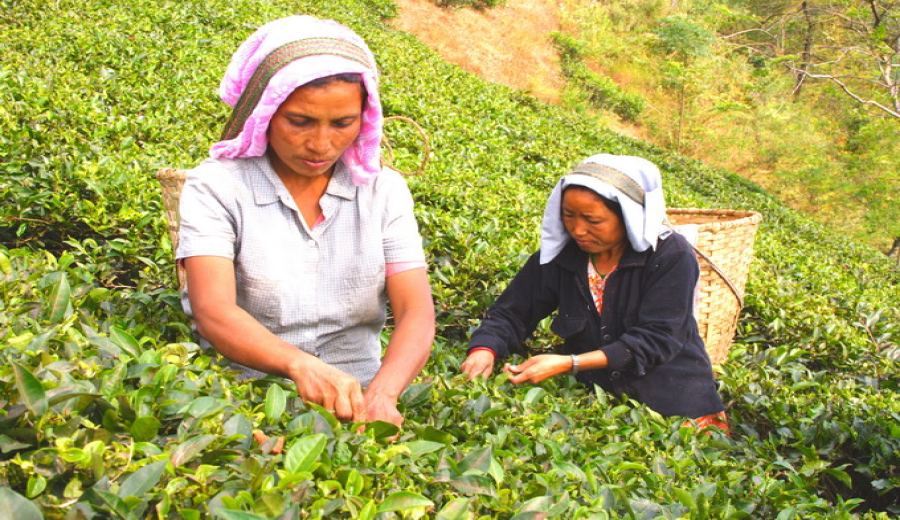
It’s worth mentioning that in November 2006, Nilgiri tea set a world record at the first-ever tea auction held in Las Vegas, fetching a remarkable price of $600 per kilogram and earning the title of "Highest Honor." Although the Indian tea industry occasionally faces criticism regarding labor issues, in Nilgiri, you can witness local and migrant workers collaborating hand-in-hand to create shared prosperity. These migrant workers come from various Indian states such as Odisha, West Bengal, Assam, Jharkhand, and even neighboring Nepal, which provides a vital labor force to the region.
To enjoy an authentic cup of Nilgiri black tea at home, brewing steps and details are crucial. It’s recommended to use a large, round teapot to give the tea leaves ample space to unfurl and release their aroma. Before brewing, rinse the teapot and cups with hot water, then discard the water once the vessels are warmed. The suggested tea ratio is one teaspoon of Nilgiri loose-leaf tea per 250 milliliters of water. Bring the water to a boil or near-boiling state before pouring it into the teapot. Be sure to use high-quality water to avoid impurities or chemicals affecting the tea’s flavor. Steeping time should be controlled between 3 to 5 minutes—the longer the steep, the stronger the tea, so adjust according to personal taste.
After brewing, you can add sugar, lemon, or milk according to preference. To savor the purest flavor of Nilgiri black tea, try the unadulterated version without any additions. Additionally, Nilgiri black tea is excellent for making iced tea, as it remains clear when chilled, making it a refreshing and healthy choice for summer. All year round, this high-altitude black tea from India offers a delightful range of flavor experiences.
The above content is compiled by CoffeeHunters, a coffee news website.


