







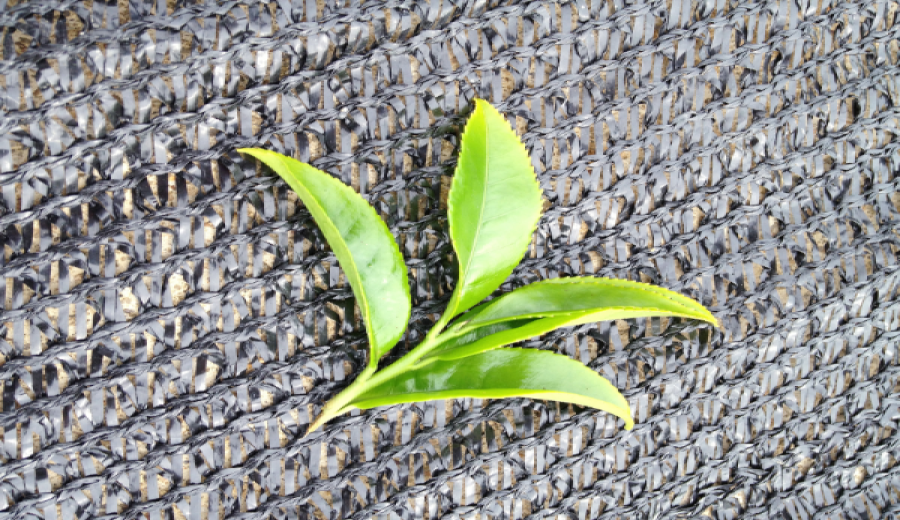
Introduction:The oolong teas of Phoenix Mountain in Chaozhou are categorized into three grades: Dancong, Langcai, and Shuixian, each with distinctive flavors and craftsmanship characteristics. This article delves into the growing environments, production processes, and taste differences among these three types of tea, helping you choose the most suitable Phoenix tea based on your flavor preferences and brewing needs. From the high-mountain mist-nurtured Dancong to the approachable Shuixian, understanding their grade-specific traits will elevate your tea-tasting experience.
Phoenix Dancong, Langcai, and Shuixian all originate from the Phoenix tea system of Chaozhou, Guangdong, but they exhibit markedly different aromas, flavors, and brewability due to variations in harvest standards, production techniques, and tea grades. Among them, Phoenix Dancong is regarded as the highest grade, produced in the Phoenix Mountain area at an altitude of around 1,500 meters. This region, often shrouded in clouds and mist with significant day-night temperature variations, combined with fertile soil and abundant rainfall, gives rise to its unique "mountain terroir" and rich floral-fruity notes.
In the grading of Phoenix teas, the quality is generally ranked from highest to lowest as Dancong, Langcai, and Shuixian. Dancong tea features tightly rolled, straight leaves with a natural yellowish-brown hue. When brewed, it emits a strong natural floral aroma, yielding a clear and bright liquor that tastes sweet and mellow. The leaves at the bottom of the cup display a vibrant greenish-red hue and can withstand multiple infusions. In comparison, while Langcai and Shuixian share the fundamental qualities of Phoenix tea, they slightly lag behind in aroma purity, flavor complexity, and aftertaste sweetness, making them more suitable for everyday drinking or for those new to Phoenix tea flavors.
Phoenix Dancong, also known as Guangdong Shuixian, is a strip-shaped oolong tea, with its core production area concentrated in the high-altitude mountainous regions around Phoenix Town in Chaozhou City. The unique microclimate of this area—high humidity, frequent fog, significant day-night temperature differences, and organically rich soil—provides ideal conditions for tea tree growth and is key to the Dancong tea’s ability to exhibit its four defining characteristics: beautiful shape, green color, intense aroma, and sweet taste.
In terms of optimal drinking timing, summer is the ideal season to enjoy the refreshing and sweet-mellow qualities of Phoenix Dancong. It is recommended to brew with hot water (around 95°C to 100°C), using teaware such as Yixing clay teapots, Chaoshan small pots, or Yixing teapots that offer good heat retention and flavor expression to fully release the tea’s aroma. The amount of tea used should be well-controlled, not exceeding the capacity of the teapot’s mouth, to avoid overly intense bitterness that could mask the flavor profile.
Regarding production techniques, Phoenix Dancong is primarily hand-picked or harvested with manual-assisted machinery, involving key steps such as withering in the sun, indoor withering, fixation, rolling, and roasting. Each stage requires precise control, as even minor mishaps can affect the final tea quality—slightly off results may downgrade the tea to Langcai, and severe issues could even relegate it to the Shuixian grade. This makes Dancong not only stand out in flavor but also represent the pinnacle of Phoenix tea craftsmanship.
As for the origin of the name "Phoenix Dancong," a myth-related story is widely circulated: it is said that in ancient times, at the foot of Sh山下 in Chao’an County, a golden phoenix laid two eggs. The hatched baby phoenixes possessed divine powers and often appeared during disasters to protect the people, restoring peace and harmony to the region. Grateful villagers named the place "Phoenix Mountain," and the premium tea produced there became known as "Phoenix Dancong," carrying both local legend and cultural sentiment.
In summary, understanding the grade differences and flavor profiles of Phoenix Dancong, Langcai, and Shuixian can help tea enthusiasts select the most fitting tea based on personal taste preferences and brewing purposes. Whether you seek the high aroma and layered complexity of Dancong or the everyday smoothness of Langcai and Shuixian, Phoenix tea from Chaozhou offers a diverse and deeply nuanced tea-tasting experience.
The above content is compiled by CoffeeHunters, a coffee news website.


