







Introduction:Both Qimen Mao Feng and Qimen Xiang Luo belong to the Qimen black tea series, yet they differ in flavor profiles and production techniques. This article takes an actual tasting experience as a starting point, offering an in-depth analysis of the dry leaf aroma, liquor characteristics, and brewing endurance of a high-quality Qimen Mao Feng. It also compares its flavors with those of Qimen Xiang Luo, while linking Qimen black tea (Qihong) to other styles such as Zhengshan Xiaozhong and Jin Jun Mei, providing valuable purchasing and tasting guidance for tea enthusiasts eager to explore the layers of black tea.
Qimen Mao Feng and Qimen Xiang Luo both originate from Anhui Province’s traditional Qimen black tea production area. Though they share the same lineage, they each possess unique characteristics in terms of production methods, appearance, and flavor features. By tasting a high-quality Qimen Mao Feng directly sourced from its original production region in Anhui, we get a glimpse into the delicate expression of this classic black tea. From the aroma of the dry leaves to the evolving layers of the tea liquor, each infusion reveals different sensory surprises.
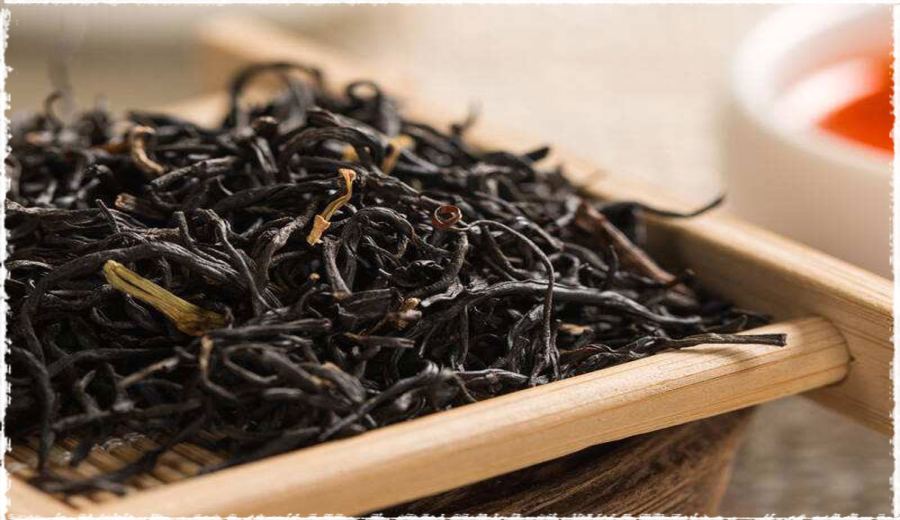
Upon opening the tea tin, a dry leaf aroma reminiscent of high-quality chocolate greets you, making you eager to brew and taste it immediately. After placing the leaves into a pre-warmed gaiwan and warming them up, a clear malted barley aroma emerges, followed by a gentle orange blossom honey sweetness. This layered aroma is not commonly found in black teas, especially with a hint that resembles the sweet taste of malted milk drink mixed with honey—quite unique. The tea maker refers to this grade as "honey aroma," a fitting and accurate description.
In terms of aroma association, this Qimen Mao Feng shares similarities with well-made Zhengshan Xiaozhong or Jin Jun Mei, but at a more affordable price. For consumers on a budget who still seek high-quality black tea, this is truly a rare find. The origin story of Qimen black tea was initially to cater to the Western market’s preference for Fujian black tea, and the flavor standard of this Mao Feng indeed aligns well with that historical positioning.
During actual brewing, I opted for a gaiwan, using a slightly longer first infusion time to fully release the tea’s character. The first infusion presented a pleasant and balanced bitterness that surprisingly helped me relax, even easing a slight headache. The tea liquor featured a distinct malted barley note, while the honey aroma remained relatively subtle. This initial performance conveyed a stable and solid foundation in the cup.
Moving into the second and third infusions, the tea’s sweetness gradually increased, floral notes became distinctly prominent, and any bitterness or astringency nearly disappeared, replaced by delicate and lingering aftertaste. These infusions were particularly outstanding, with the tea liquor being smooth and well-layered—perfect for savoring slowly. Overall, this Qimen Mao Feng can easily be brewed at least three times or more, with each infusion highlighting different flavor aspects.
It’s worth mentioning that the appearance of this tea also lives up to the name “Mao Feng”—the leaves are shaped like standing mountain peaks, and the tea buds are covered with abundant fine down. This not only enhances its visual appeal but is also one of the symbols of high quality. When I first tasted it, I was amazed by its overall performance, especially considering its relatively affordable price, which outshines many black teas at the same or even higher price points on the market.
In addition, the same tea manufacturer also offers a more budget-friendly Qihong product with equally commendable flavor, and tasting notes for it will be shared in the future. For those new to Qimen black tea who are looking for a representative Qimen Mao Feng, it’s advisable to compare factors such as leaf appearance, aroma layers, and liquor performance, choosing a product that suits your personal taste.
In summary, Qimen Mao Feng is not just another choice among black teas—it’s also an excellent entry point to experiencing the traditional tea-making craftsmanship of Qimen in Anhui. Whether enjoyed alone or shared with friends, this tea delivers a warm and multi-layered flavor experience.
The above content is compiled by CoffeeHunters, a coffee news website.


