







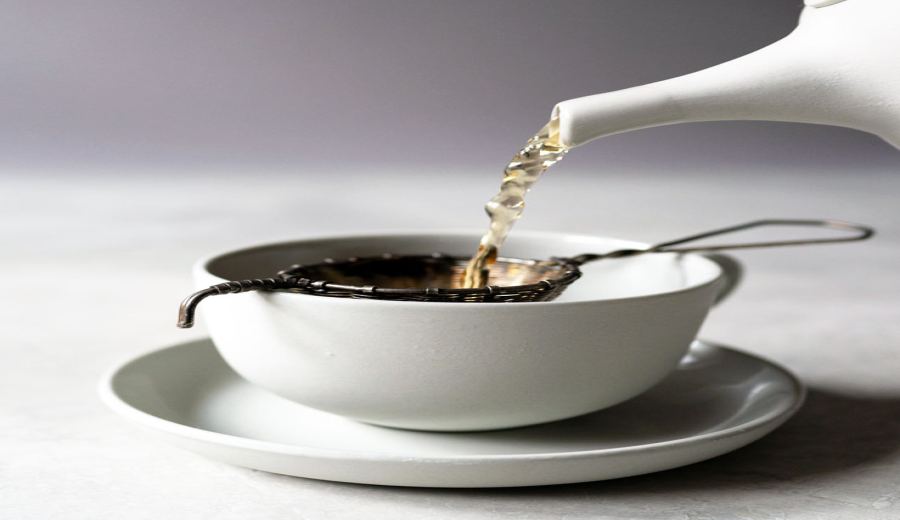
Introduction:To brew an authentic cup of English black tea, everything from tea selection and kettle preheating to the order of adding milk involves know-how. This article is based on George Orwell’s ten rules for making tea, delving into key details of black tea brewing — including how to avoid bitterness, the influence of teapot material, and the order of adding milk and tea — while also comparing Eastern and Western tea drinking cultures to help you master professional-level black tea brewing techniques.
Brewing a classic cup of English black tea, from selecting the tea and warming the kettle to the order of adding milk, each step holds hidden nuances. In Western tea culture, Orwell’s ten tea-making rules are still widely discussed today. These guidelines cover the origin of the tea, choice of tea ware, brewing techniques, and even the order in which milk is added — essential knowledge for enthusiasts who seek the purest expression of black tea flavor.
Orwell’s first rule is very clear: use only black tea from India or Ceylon (now Sri Lanka), excluding Chinese tea. He believed that although Chinese tea is more affordable and can be consumed without milk, it lacks the “stimulating effect” he was looking for — the kind that leaves you feeling more alert and invigorated after drinking. This view has been questioned by some historians, who suggest it may stem from his personal connection to India or limited understanding of Chinese tea culture. Nonetheless, it sparks an interesting comparison between Eastern and Western tea traditions. Especially for those accustomed to drinking Chinese teas such as Pu’er and Tieguanyin, Orwell’s argument is clearly hard to accept.
When it comes to tea ware, Orwell strongly recommends using a teapot rather than a large pot or clay jar. He pointed out that brewing tea in a large container tends to make the liquor greasy or develop off-flavors — an impression reinforced by the military practice of boiling tea in large pots, which he found particularly disagreeable. He recommended porcelain or ceramic teapots, with silver pots and certain British-made teapots as secondary choices, while enamel teapots were his least preferred option. These suggestions are actually related to the efficiency of aroma and flavor release from the tea leaves; the teapot material affects how well the water temperature is maintained and ultimately influences the resulting brew.
Preheating the teapot before brewing is another crucial step. This action ensures the teapot itself does not lower the temperature of the freshly poured boiling water due to its own coolness, which could otherwise negatively affect the extraction of the tea. If hot water is cooled by a cold teapot, the tea leaves cannot release their full flavor within the optimal temperature range, resulting in a weak and tasteless infusion. Preheating the teapot essentially creates a stable high-temperature extraction environment for the tea leaves — a basic skill followed by many professional tea masters.
Orwell had a clear preference for tea strength. He suggested using about six teaspoons of tea leaves for a one-quart capacity teapot, almost filling it to the brim. He advocated that stronger tea delivers a more robust flavor, and as tea drinking experience accumulates, many enthusiasts gradually come to prefer a bolder taste. Although such strength may not suit everyone for daily consumption, it indeed showcases the deeper flavors of black tea — especially in the UK, where high-strength black tea has even become part of the tea ration for the elderly.
Regarding the method of adding tea leaves, Orwell opposed using strainers, tea bags, or any device that restricts the expansion of tea leaves. He believed the leaves should be free to unfurl fully in the pot to fully release their aroma and flavor. However, in modern brewing practice, without an appropriate filtration system, prolonged steeping may lead to over-extraction, releasing too much tannin and resulting in a bitter and astringent brew. Therefore, it is advised to adjust steeping time and tea quantity appropriately according to the type of tea and personal preference.
When pouring the water, Orwell emphasized using freshly boiled hot water and suggested moving the teapot next to the kettle for pouring, rather than the other way around. This approach ensures the water remains at a high temperature when it enters the teapot, aiding in the release of the tea’s aroma. Although modern kitchen equipment differs from that of the last century, maintaining the temperature of the water during pouring remains one of the key principles for brewing good tea.
After brewing, the tea should be gently stirred or shaken in the teapot to evenly settle the leaves, preventing the upper layer of tea from being too weak and the lower layer too strong. Though a simple step, it can significantly enhance the overall tea drinking experience, ensuring consistent flavor in every sip.
In terms of cup selection, Orwell recommended using cylindrical breakfast cups rather than shallow, flat teacups. Breakfast cups have a larger capacity, can hold more tea, and offer relatively better heat retention, making them ideal for savoring slowly. In contrast, shallow cups allow the tea to cool quickly, affecting its flavor performance.
As for the details of adding milk, Orwell suggested skimming off the cream from the surface of the milk first, then deciding whether to add it to the tea based on personal preference. On the most controversial issue of “milk first or tea first,” he insisted on pouring the tea first, then adding the milk — this way, the amount of milk can be precisely controlled to avoid diluting the tea’s flavor excessively. However, proponents of the milk-first approach argue that it reduces the direct impact of high-temperature tea on the milk proteins, preventing denaturation that might affect the taste. Whichever method you choose, the key is to find the balance that suits your own palate.
The above content is compiled by CoffeeHunters, a coffee news website.


