







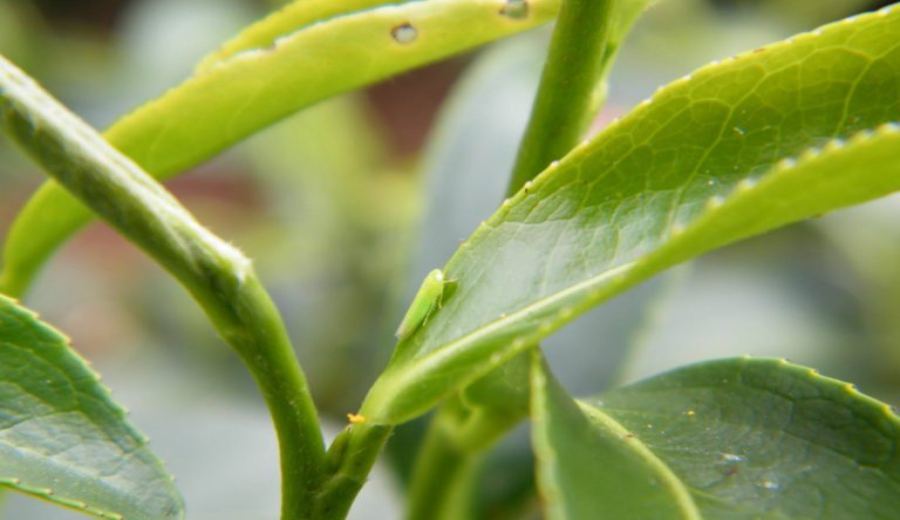
Introduction:The honey-scented black tea and Jin Xuan tea produced in Hualien, Taiwan, have become focal points in the tea world due to the unique honey-like aroma resulting from bites by the small green leafhopper. This article delves into the distinctive aromatic characteristics of these two teas, exploring their layered changes from the moment the package is opened to after multiple infusions, helping you master how to identify authentic flavors through sensory perception. It also provides practical brewing parameters and tasting suggestions. Whether you’re a fan of black tea or oolong, you can discover the charm of these rare tea varieties here.
The honey-scented black tea and Jin Xuan tea from Hualien, Taiwan, are specialty teas that have gained popularity among tea enthusiasts in recent years. Their unique osmanthus-like honey aroma originates from the slight bites of the small green leafhopper, which stimulate the tea leaves to produce natural honey-flavored compounds. This “bug-bitten tea” offers a richly layered flavor profile, especially when brewed under the right conditions, showcasing a diverse range of aromatic characteristics.
Taking an award-winning tea from a family-run farm as an example, its dry tea leaves do not exhibit particularly strong aromas upon opening. However, once brewed with water at around 90°C, they awaken and release a multitude of scents—from sugarcane and malt to smoky agarwood and the freshness unique to Pouchong tea, even carrying a sweet note reminiscent of wildflower honey. This characteristic of revealing shifting aromas over time and with varying water temperatures is a key clue in identifying authentic honey-scented tea.
During multiple infusions, this tea demonstrates extremely delicate transitions: in the first brew, the osmanthus aroma, while not intense, brings a sense of calm while emitting foundational notes of cinnamon, sugarcane, and minerals. As the number of infusions increases, sweetness and smokiness gradually emerge. By the third brew, you may even detect a subtle acidity and the characteristics of roasted Pouchong, along with unexpected wildflower honey notes and a slight astringency.
It’s worth mentioning that although this tea does not have organic certification, it performed exceptionally well in SGS pesticide residue tests in Taiwan, with levels far below the standard limits. Therefore, it still maintains a high standard in terms of quality and safety. The production region of Hualien, encouraged by local government initiatives, has seen many tea farmers shift toward friendly or reduced-pesticide cultivation practices. Even without the “organic” label, it reflects a respect for the environment.
Compared to Oriental Beauty, which also develops a honey-like aroma from bug bites, this tea’s fragrance is fresher and has undergone light roasting, further drawing out and transforming the aromatic compounds in the leaves without letting the roast flavor overpower the tea’s inherent character. This delicate processing results in an exceptionally calm and profound tea energy, sharing similarities with Taiwan Red Jade black tea.
For actual brewing, it is recommended to use glass or ceramic teaware, with water temperature controlled around 90°C. The first infusion should steep for about 45 seconds to 1 minute, with each subsequent brew increasing by 30 seconds. If using a gaiwan, you may adjust the time slightly according to personal taste. Notably, the aroma of this tea will gradually evolve after opening, so it is advisable to purchase in moderate quantities and store it properly to fully experience its flavor layers as they change over time.
Overall, although both honey-scented black tea and Jin Xuan tea benefit from the “bug-bitten” effect of the small green leafhopper, they still show significant differences in variety, processing, and the final aromatic profiles they present. Understanding these details will help you more accurately identify and appreciate the charm of these unique Taiwanese teas, whether as everyday beverages or as an introductory choice for exploring the world of tea—both are well worth trying.
The above content is compiled by CoffeeHunters, a coffee news website.


