







Introduction:Where does the bitterness in Americano coffee come from? How does it differ from espresso in terms of flavor and brewing method? This article delves into the origins and evolution of Americano coffee, and explains in detail the key factors that influence its flavor—coffee bean selection and extraction parameters. It also provides practical brewing ratios for both hot and iced Americanos, teaching you how to soften the bitterness by adjusting the coffee-to-water ratio and adding fresh milk to achieve a smoother taste. Whether you’re a beginner or an advanced coffee enthusiast, you’ll find useful guidance here.
Have you ever wondered where the distinct bitterness in Americano coffee actually comes from? And how is it fundamentally different from the common espresso? Many people try to replicate café-quality coffee at home using their own machines, only to find the flavor is far off. This article will start with the historical background, taking you through the origins and development of espresso, and analyzing how Americano coffee came into being. We’ll further explore the factors that determine the profile of Americano coffee, including key elements such as the type of coffee beans, grind size, and brewing method. In addition, we’ll share practical brewing parameters for both hot and iced Americanos, and discuss how adjusting the coffee-to-water ratio and adding an appropriate amount of fresh milk can effectively reduce bitterness and enhance the overall flavor complexity and smoothness. Whether you’re just getting started or are already an experienced coffee lover, you’ll gain valuable insights.

First, let’s clarify a common misconception: Americano coffee is not originally from America but is derived from espresso. The so-called Americano is actually a coffee beverage made by diluting one or two shots of espresso with hot water. In contrast, espresso is an extremely concentrated form of extraction, known for its bold and robust flavor, and it played a pivotal role during the second wave of coffee culture. It’s said that coffee beans were originally introduced to Italy along with other fruits and quickly gained popularity among locals. By the early 20th century, with groundbreaking improvements in coffee machine design, not only was the modern appearance and brewing method of espresso shaped, but drinking coffee also became a part of everyday life for Italians. Later, this brewing technique gradually spread across Europe and eventually worldwide, bringing the rich aroma of coffee to every corner of the globe.
Interestingly, the “es” in the word espresso actually originates from the English “ex,” meaning fast or immediate. Traditionally, espresso emphasizes quick extraction and immediate consumption to fully preserve its unique aroma and layered flavors. At that time, even a culture of standing to drink coffee became popular, and prices were relatively affordable. On the other hand, although Americano sounds very “American,” it actually originated during World War II when American soldiers stationed in Europe, unaccustomed to the strong bitterness of espresso, began diluting it with water themselves. This gave rise to the name Americano. From this, it’s clear that the Americano is actually a variation derived from espresso.
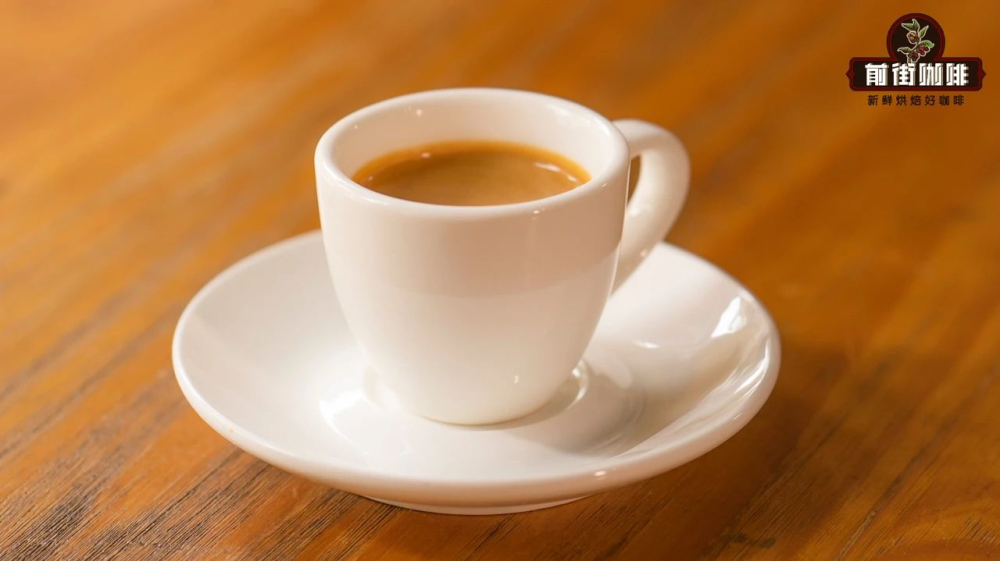
Within the entire espresso-based coffee system, the Americano is just one of many variations. From classic drinks like lattes and cappuccinos to more recent trends like flat whites and Dirty coffees, all these beverages belong to the espresso family, each showcasing a rich diversity of visual and taste experiences due to differences in brewing techniques and ingredients. So, what exactly makes up a basic Americano? Simply put, it is made by diluting brewed espresso with hot water. Since the espresso itself is highly concentrated and intense in flavor, it can be quite stimulating; the added water mainly serves to balance and dilute, making the overall flavor more harmonious and smooth. Therefore, whether an Americano tastes good depends largely on the appropriateness of the coffee bean selection and whether the extraction process can fully bring out the potential of the beans.
Taking practical experience as an example, an ideal hot Americano recipe can follow a 1:4.5 coffee-to-water ratio—that is, using about 20 grams of coffee grounds, extracting for around 30 seconds to yield approximately 40 grams of double-shot espresso, then adding about 180 grams of hot water at around 80°C. This ratio can fully showcase the multi-layered flavors in the coffee, such as whiskey-like notes, soft vanilla, delicate creaminess, smooth chocolate, bright berry tones, and a caramel finish. If these variables are precisely controlled, you can brew an Americano with rich whiskey-like aromas, distinct layers, and a sweet aftertaste. Here, it’s recommended to pay attention to the stability of water temperature and extraction time to avoid over-extraction or under-extraction, which could lead to flavor imbalance.
As for iced Americano, the impact of cooling on flavor must be considered. In practice, you can use 100 grams of large ice cubes along with 120 grams of water, pouring the brewed espresso directly over them, keeping the overall ratio at roughly 1:2.5:3 for coffee, ice, and water. This combination ensures that the iced Americano remains at a moderate concentration while cooling down, offering a refreshing taste with clear acidity and sweetness, along with a rich coffee aroma—perfect for hot summer days. Additionally, if you wish to further adjust the mouthfeel, you can fine-tune the ratio of ice to water according to personal preference.
For those who are less tolerant of bitterness or prefer a smoother taste, adding fresh milk is a common solution. Milk not only neutralizes the bitterness of coffee but also adds a creamy texture to the drink, further highlighting the aromas of caramel and chocolate. If you want to try this at home, it’s recommended to adjust the coffee-to-water ratio to 1:4—that is, pour about 160 milliliters of hot water into the cup first, then add 40 milliliters of espresso, followed by about 30 milliliters of fresh milk (approximately 15 milliliters of milk per 100 milliliters of black coffee). This blend maintains a certain concentration while improving smoothness and flavor richness, resulting in a more rounded and approachable coffee experience.

In summary, the bitterness in Americano coffee mainly stems from high-concentration extraction and the characteristics of the beans themselves. However, by using appropriate brewing parameters, selecting the right coffee beans, and applying simple flavoring techniques, the flavor profile can be effectively improved. Whether you prefer hot or iced coffee, as long as you master the coffee-to-water ratio, water temperature, and extraction time, and adjust whether to add fresh milk based on your personal taste, you can easily brew an Americano that suits your preferences and enjoy your own coffee moment.
The above content is compiled by CoffeeHunters, a coffee news website.


