







Introduction:Although Nepalese highland black tea is grown near the neighboring Darjeeling tea region, it boasts unique aromas and flavors. This article will take you on an in-depth exploration of the four main plucking seasons, flavor profiles, traditional brewing methods of Nepalese highland black tea, and analyze the characteristics and selection tips for teas from different seasons. Whether you’re new to black tea or an advanced enthusiast, you’ll gain practical advice on selection and brewing.
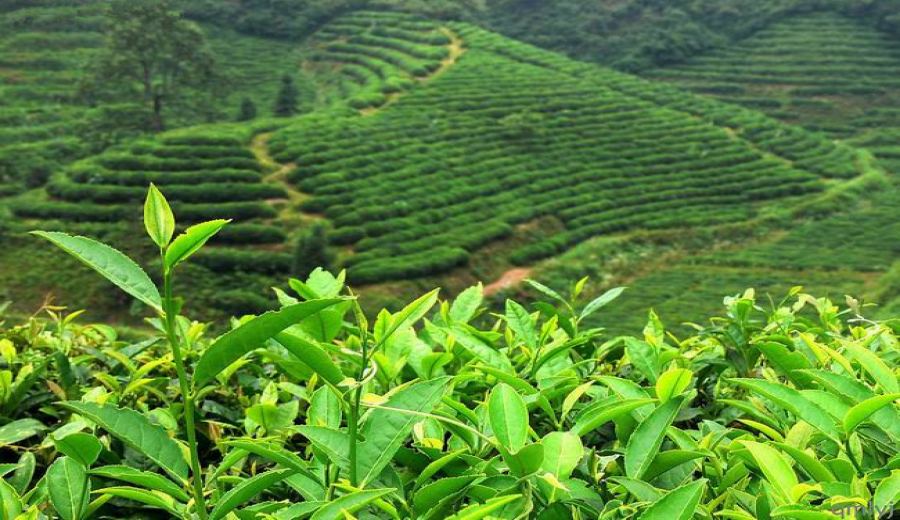
Nepal is not only renowned for its magnificent Himalayan landscapes and trekking routes but is also gradually making its mark in the international tea market. The high-altitude tea gardens located next to Darjeeling, though geographically close, produce teas with distinctly different and resilient flavors. These teas grow in high-altitude environments, absorbing the unique essence of the climate and soil, which gives Nepalese highland black tea its distinctive layers and aftertaste.
Traditional Nepalese tea is divided into four main plucking seasons based on climate and the tea plant growth cycle. Spring tea is harvested from the fourth week of March to the end of April. At this time, the tea buds are tender, with fresh and delicate floral and fruity aromas, along with rich flavonoids. The taste is refined but supply is limited, making it a seasonally exclusive tea highly sought after by tea enthusiasts.
The second plucking season follows, taking place from the second week of May to the end of July. The leaves are more mature, resulting in a tea liquor that is brighter and more structured. It is often considered one of the best-quality seasons of the year. Teas from this period generally receive high praise from tea critics and are ideal for drinkers who seek complexity and lingering sweetness.
Monsoon tea, which comes after the rainy season, is harvested from the end of July to the end of September. Due to continuous rainfall, the tea leaves grow rapidly and have a high level of fusion. The tea liquor has a deep color and a rich, full-bodied flavor. Although not as delicate as spring or summer tea, it offers a unique smooth and mellow feel, suitable for consumers who prefer a stronger taste.
Autumn tea is harvested from October to the end of November. Black teas from this period often carry a subtle musky aroma, with rich and long-lasting fragrances. The tea liquor presents a crystal-clear amber hue, feels smooth on the palate, and has a lingering aftertaste. It is considered a classic flavor favored by many tea aficionados.
Local Nepalese tea-brewing methods are full of regional character. A common practice is to add milk and sugar to the tea, and simmer it together with spices such as cardamom, cloves, black pepper, ginger, or ghee, creating a warm and layered flavor. Some households or traditional teahouses may even adjust the proportion of spices according to the season or personal preference, crafting their own signature tea drinks.
If you’d like to try Nepalese-style milk tea at home, you can follow this basic recipe: boil one cup of water with two teaspoons of tea leaves for about five minutes, then add two teaspoons of sugar, a small amount of black pepper, ginger, and cardamom for seasoning, and finally pour in one cup of milk and bring it to a boil. This method fully releases the aroma of both the tea and the spices, making it perfect to enjoy with breakfast or afternoon snacks.
For those who prefer a purer tea flavor, you can also opt for a clear tea version with just sugar added. Additionally, if you want to reduce caffeine intake, you can use a simple “pre-soaking method”: steep the tea leaves in hot water for 20 to 30 seconds, then discard the water, and re-brew with fresh hot water. This removes most of the caffeine while preserving the tea’s aroma and flavor.
With the booming development of Nepal’s tea industry, its visibility in the international market is gradually increasing. From small-scale cultivation in the mid-19th century to becoming a focal point for global tea enthusiasts today, Nepalese tea not only carries the essence of nature and culture but also showcases unique regional flavors and craftsmanship value.
When selecting Nepalese highland black tea, it is recommended to pay attention to the tea’s plucking season and production region information. Teas from different seasons vary in aroma, taste, and suitable brewing methods. Whether as a daily drink or for collection, you can find the most suitable Nepalese highland black tea that suits your personal preferences.
The above content is compiled by CoffeeHunters, a coffee news website.


