







Introduction:This article delves into the origins of Assam black tea, its core production regions, and the optimal harvest seasons. It explores the source of its distinctive malty aroma, as well as the pricing trends and health potential of this classic tea in the global market. Whether you’re new to black tea or a tea enthusiast seeking high-quality blend ingredients, you’ll gain valuable insights from this piece.
Located in northeastern India, Assam is surrounded by mountains on three sides with diverse terrain and rich natural ecology, making it one of the regions with the highest biodiversity in the world. This area not only nurtures a wide variety of wildlife but is also renowned for producing the globally famous Assam black tea. Since 1823, when Scottish explorer Robert Bruce discovered wild tea trees in the local mountainous region, Assam black tea has gradually stepped onto the international stage and become the foundation of many classic black tea blends.
The history of Assam black tea can be traced back to the British colonial period. At that time, tea was primarily sourced from China, but in order to reduce costs and dependence, the British began searching for land in India suitable for tea cultivation. In 1823, Robert Bruce discovered native tea plant varieties in the mountainous regions of Upper Assam, whose leaves were broader and heartier than those of Chinese tea plants. In 1839, the Assam Tea Company was officially established, marking the beginning of commercial production of Assam black tea.
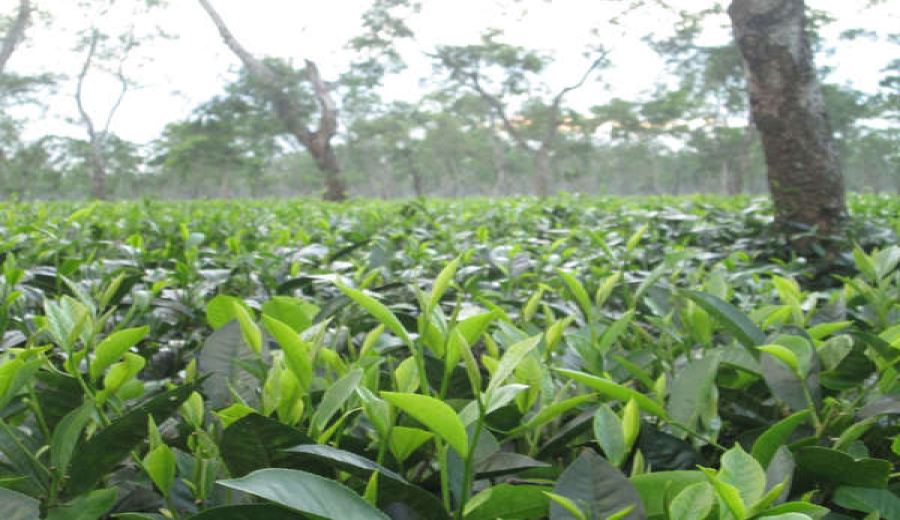
The climate in the Assam region is a typical tropical monsoon type, with the rainy season lasting from May to October each year. The abundant rainfall nourishes the soil, providing ample nutrients for tea tree growth. The tea harvest season mainly falls between April and November, withthe first harvest in Aprilandthe second harvest from May to Junebeing the most crucial. Many tea experts believe that the tea leaves from the second harvest, due to the high temperature and humidity during that period, have a richer and more robust flavor, with distinct malty and honey notes, making them often chosen as an important base for high-quality black teas or blended teas.
In terms of production regions, Assam can be divided into two major areas: Upper Assam and Lower Assam. Lower Assam includes regions such as Nagaon, Darrang, and areas near the state capital Guwahati. Although it is also an important tea-producing area, Upper Assam and the central regions are generally considered to produce tea with superior aroma and layered complexity, as well as greater representativeness. Especially the tea trees grown in the hot and humid environment develop plump buds rich in internal compounds, which contribute to the bold taste and full-bodied liquor characteristic of Assam black tea.
When it comes to brewing and tasting, Assam black tea is best prepared with water close to boiling point (around 90–95°C). The recommended tea-to-water ratio is 1:50, and steeping time can be adjusted between 3 to 5 minutes according to personal preference. Due to its strong tea character, it is suitable for drinking on its own and is also commonly used as the base for milk tea. Many tea enthusiasts find that pairing it with milk and a touch of sugar enhances its malty and caramel-like sweet profile.
Besides its unique flavor, Assam black tea also offers multiple health benefits. Rich in tea polyphenols and antioxidants, it helps combat the damage caused by free radicals in the body, potentially reducing the risk of chronic diseases. Additionally, its moderate caffeine content can boost alertness without causing excessive stimulation, making it suitable for drinking in the morning or afternoon. Some studies also suggest that regular consumption of black tea may aid digestion, regulate blood sugar, and even support cardiovascular health, although these benefits should be complemented with a balanced diet and healthy lifestyle.
In summary, with its exceptional geographical conditions, bold and rich flavor, and diverse health potential, Assam black tea has long been a significant player in the global tea market. Whether you want to explore the story behind this classic tea or are looking for a high-quality option for daily drinking or blending, Assam black tea is worth adding to your tea collection.
The above content is compiled by CoffeeHunters, a coffee news website.


