







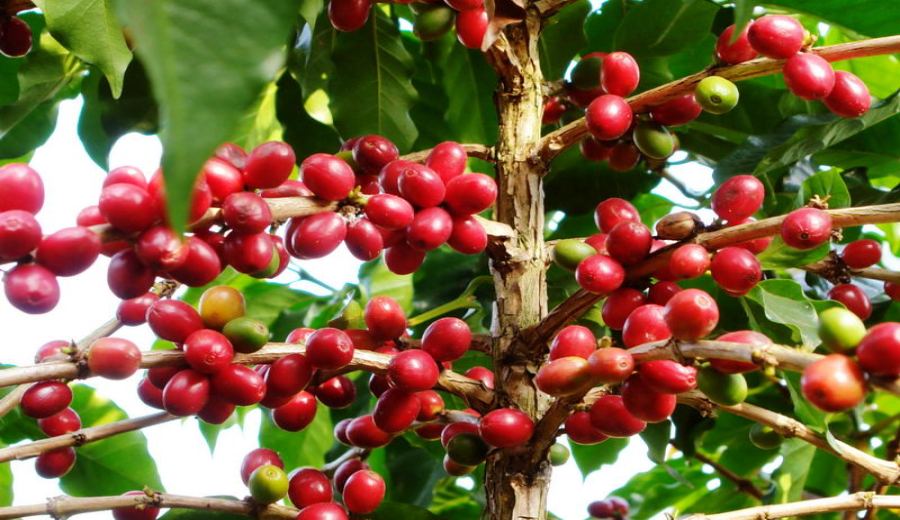
Introduction:Do you want to know which is better tasting—Robusta or Arabica coffee beans? This article will delve into the key differences between the two in terms of flavor, origin, growing conditions, caffeine content, and more, along with practical bean variety information and brewing suggestions to help you make a smarter coffee choice based on your needs.
Although the global coffee market is diverse and abundant, the vast majority of coffee actually comes from three main species: Arabica, Robusta, and Liberica. Among these, Liberica is rarely seen in the consumer market due to its extremely low production, so the two most commonly encountered varieties are Arabica and Robusta. Not only do they have clear distinctions in flavor, but they also differ greatly in cultivation conditions, processing methods, and market positioning.
Arabica is known for its delicate floral notes, fruity acidity, and caramel-like aromas, making it ideal for specialty single-origin coffees, while Robusta, with its pronounced bitterness, strong body, and high caffeine content, is commonly found in espresso blends and instant coffee.Understanding the differences between them can help you better grasp the meaning behind each choiceand guide you more confidently when selecting coffee beans.
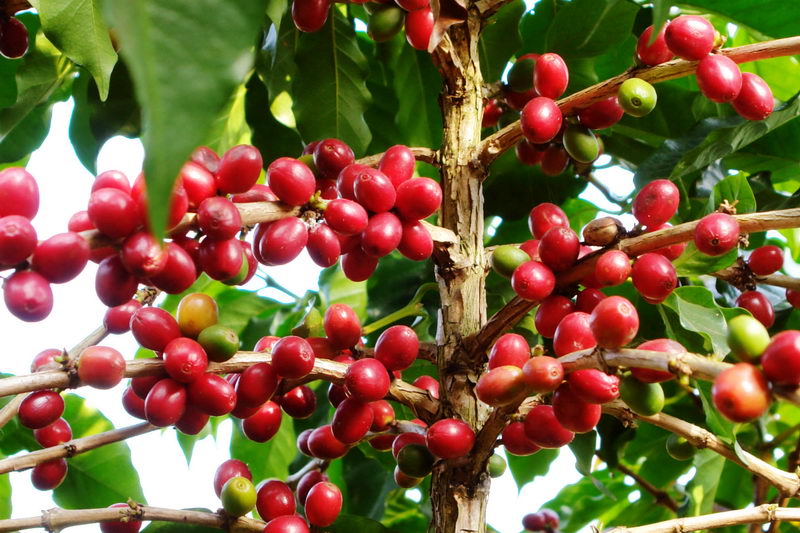
Many coffee beginners may not pay much attention to "varieties," but for coffee aficionados, the variety not only influences the flavor profile but also directly determines the character of the entire cup of coffee. The thousands of coffee varieties around the world ultimately trace back to the three main species: Arabica, Robusta, and Liberica, among which Arabica and Robusta are the most common and readily available.
Many people mistakenly believe that specialty coffee only uses Arabica, but in fact, whether a coffee is “specialty” is not absolutely determined by the variety—what matters more are the details of cultivation, processing, and roasting. However, generally speaking, Arabica is often seen as the top choice for the premium market due to its rich flavor layers and bright acidity, whereas Robusta, with its stronger and less widely accepted flavors, is mostly used in commercial blends or ready-to-drink products.
The flavor profile of Arabica coffee beans typically includes floral, citrus, berry-like fruit acidity, often accompanied by nutty, caramel, and chocolatey warm aromas. Its overall taste is soft and balanced, which is why it’s widely used in specialty single-origin coffees. In contrast, Robusta has a simpler flavor, with noticeable bitterness, lower acidity, and often carries woody, nutty, or even earthy notes, making it harder for some to appreciate—butits caffeine content is far higher than that of Arabica, giving it unique advantages in terms of stimulation and bold body.

Arabica is considered the most classic coffee variety, not only widely recognized for its quality but also currently the most widely cultivated type in the world. It originated in Ethiopia, Africa, where many wild varieties remain officially unrecorded to this day. In contrast, Robusta comes from the Congo region of West Africa and is the only mainstream commercial variety under the Canephora species, so the name Robusta has almost become synonymous with Canephora.
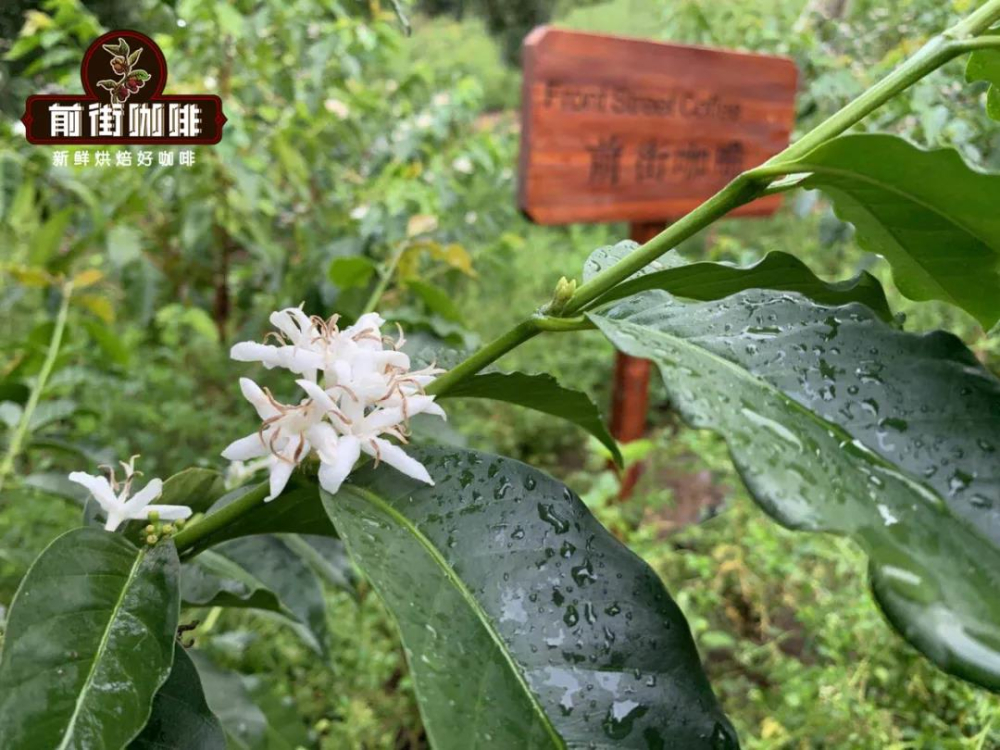
Arabica has very high environmental requirements, thriving best at altitudes of 600 to 2200 meters, with an annual average temperature of 15 to 24°C and annual rainfall of 1200 to 2200 millimeters. High altitudes and large diurnal temperature variations allow coffee cherries to ripen slowly, accumulating richer flavor compounds. For example, Panama’s Geisha coffee is grown in high altitudes and unique microclimates, producing highly distinctive floral and fruity aromas.
From flowering to harvest, Arabica takes about 7 to 9 months. Its beans are slightly elongated and oval, with pronounced and rounded wet aromas. Its flavor is multifaceted, with a good balance of sweet, sour, and bitter, and its caffeine content is usually below 1.5%. Its fine and smooth taste makes it the mainstream in the specialty coffee market.
There are many well-known Arabica sub-varieties, such as Typica, Bourbon, and Geisha. These varieties mostly originated from Ethiopian native plants transplanted to Central and South America or Asia, where environmental adaptation led to natural mutations. For example, Typica has bronze-tipped leaves, slender beans, elegant flavor, but weak disease resistance; Bourbon is a round bean, known for its sweetness and balance, often excelling in cuppings; and Geisha has been a popular variety in recent years, famous for its unique floral and tea-like flavors, especially those produced in Boquete, Panama, which have won numerous international competitions.
Compared to Arabica, Robusta has stronger adaptability, able to grow quickly at low altitudes (0 to 800 meters), high temperatures (18 to 36°C), and high humidity (annual rainfall of 2200 to 3000 millimeters), with greater resistance to pests, diseases, and extreme climates. Because its growing conditions are less stringent, Robusta accumulates relatively limited flavors, often exhibiting noticeable bitterness and woody, nutty notes, with low acidity and a heavier mouthfeel.
Robusta has a caffeine content as high as 1.8% to 3.5%, far exceeding Arabica’s 1.5% or less, which not only gives it a stronger stimulating effect but also serves as a natural pest resistance mechanism. Additionally, Robusta has lower fat and sugar content, resulting in a more direct flavor, commonly found in instant coffee, canned coffee, and industrial coffee products. Some espresso blends also include small amounts of Robusta to enhance body and crema.
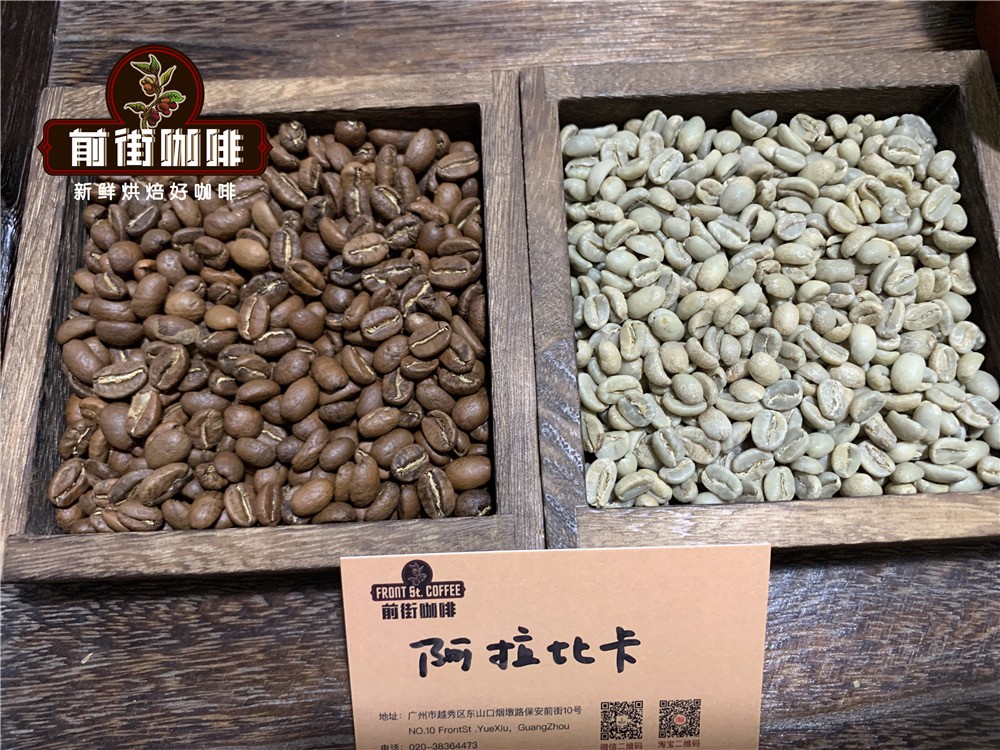
In appearance, Robusta usually has one bean per cherry, with a round, C-shaped form and a clearly visible “1”-shaped center line; whereas Arabica mostly has two beans per cherry, with a more slender and flat shape, and a “C/S”-shaped center line. Moreover, Arabica relies on self-pollination, resulting in more uniform genes and weaker disease resistance, while Robusta uses cross-pollination, leading to higher genetic diversity and stronger adaptability.
Although Robusta is generally considered inferior in flavor to Arabica, its rich body and abundant crema (coffee foam) performance make it indispensable in certain applications. For example, many professional espresso blends include 5%–15% Robusta to enhance the intensity and stability of the shot. A commercial blend used in the industry consists of 90% Arabica and 10% Robusta, producing an espresso with rich crema, caramel, nutty, and dark chocolate aromas, balanced sweet and sour notes, and a long-lasting aftertaste.
It’s worth noting that Robusta often scores lower in cuppings, which is related to its processing methods and the proportion of defective beans. Many Robusta beans are machine-harvested, easily mixing in unripe, rotten, or foreign matter, affecting overall quality. But with careful processing and selection, Robusta can still reveal surprising flavor potential.
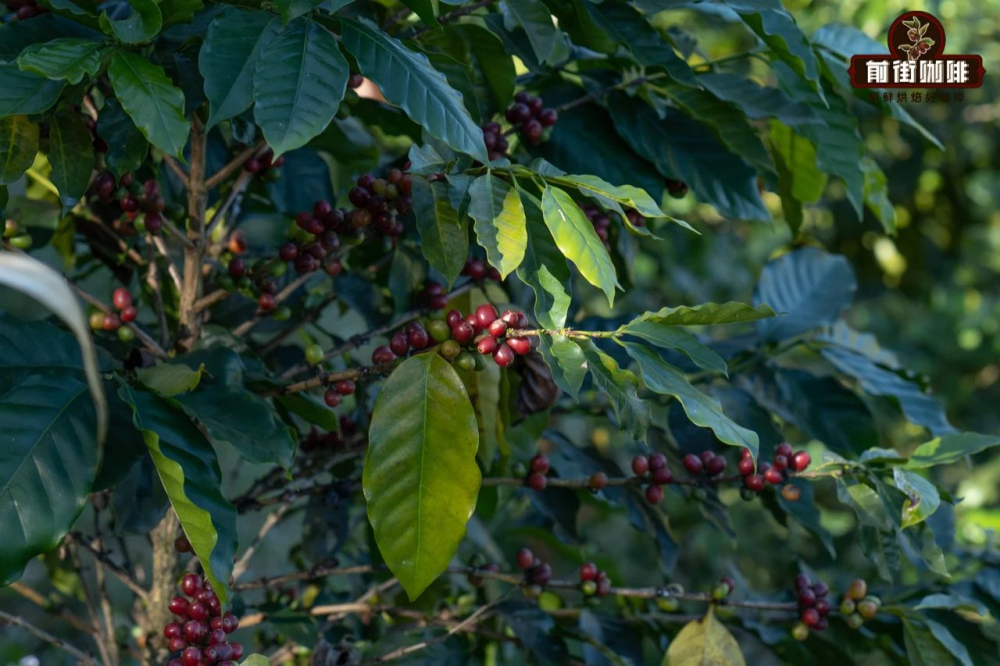
In summary, Arabica and Robusta each have their strengths and weaknesses, and cannot be simply judged as “good” or “bad.” Arabica offers delicate flavors and a balanced sweet-sour profile, suitable for coffee lovers who enjoy fruity and floral notes; Robusta provides a bold, rich body and strong stimulation, ideal for those who prefer intense flavors or milk-based coffee drinks. The choice ultimately depends on your taste preferences and drinking occasions.
No matter which coffee beans you choose, freshness is key to flavor. It’s recommended to select beans shipped within 5 days of roasting and let them rest for 4–7 days upon arrival to reach their optimal flavor window. If you buy coffee powder, brew it as soon as possible to avoid oxidation, but for the best flavor experience, grinding whole beans fresh is still the top choice.
The above content is compiled by CoffeeHunters, a coffee news website.


