







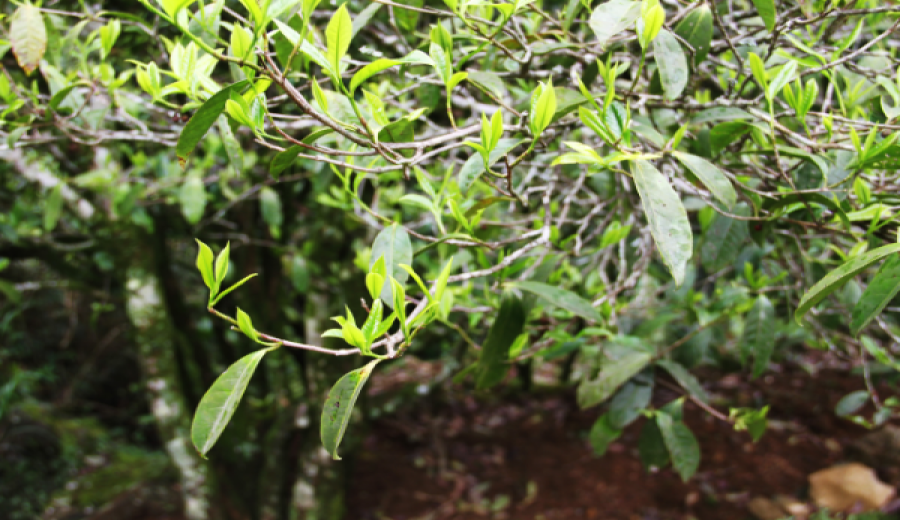
Introduction:As a premium variety of oolong tea, Ye Laixiang Danzhuang Oolong stands out with its unique aroma and craftsmanship. This article delves into the key steps from withering to roasting, explores its historical origins and health benefits, with a special focus on its potential value in boosting metabolism and aiding weight loss. It also includes practical knowledge about caffeine changes in the tea leaves, helping you fully appreciate the charm of this tea.
Oolong tea, as one of the representatives of semi-fermented teas, holds a prominent place in the tea world thanks to its diverse aromas and layered flavors. Among them, Ye Laixiang Danzhuang Oolong is regarded as a fine example of oolong tea due to its meticulous production and distinctive fragrance. From withering and shaking after picking, to pan-firing, rolling, and roasting, each step of the process requires precise control—any slight variation can affect the final flavor and quality.
The history of oolong tea can be traced back to the 17th century, when it was already widely cultivated in China and Taiwan. This type of tea comes in an extremely wide range of flavor profiles—some exhibit fresh, delicate floral notes, while others have intense roasted aromas. The flavor spectrum ranges from sweet and mild to rich and bold, offering a rich variety of choices. Like white tea, green tea, and black tea, oolong tea also originates from the Camellia sinensis plant, but its key difference lies in the degree of oxidation and processing techniques during production. Once the tea leaves come into contact with air, oxidation begins, a reaction that alters the color, texture, and internal chemical composition of the leaves, which is also the key to forming the distinct styles of different types of tea.
So, what exactly is the production process of oolong tea? First, tea farmers pick fresh tea leaves, followed by withering to allow the tea leaves to lose moisture appropriately. This step is crucial for the formation of subsequent flavors. Then comes the shaking (or “shaking green”) stage, one of the most iconic processes of oolong tea. During shaking, the edges of the tea leaves are damaged through mechanical friction, causing the cell walls to break and accelerating the oxidation reaction. The leaf edges gradually turn light red, which serves as a basis for professional tea masters to judge the degree of shaking. Shaking must be precisely controlled to only damage the leaf edges without affecting the overall leaf structure.
After withering and shaking, the tea leaves undergo pan-firing, which aims to stop the oxidation reaction through high heat and deactivate enzymes that can cause bitterness. Next, the tea leaves are rolled into strip or pellet shapes to facilitate the release of flavors during brewing. Finally, the tea leaves are dried to stabilize their quality and extend shelf life. Some premium oolong teas, such as Ye Laixiang Danzhuang, also undergo a second roasting to further enhance the richness and complexity of their aroma.
Regarding the caffeine content in oolong tea, it actually varies depending on the degree of oxidation. Generally speaking, lightly fermented oolong tea has a caffeine level similar to that of green tea, while medium to highly fermented oolong tea may have a caffeine content close to that of black tea. However, the actual values for each tea can still be influenced by factors such as variety, season, and production process. For more accurate information, it is recommended to consult a professional tea expert.
In terms of health benefits, oolong tea is rich in polyphenolic compounds, which are believed to help regulate metabolism and positively influence gut microbiota balance. In particular, the antioxidant content in oolong tea is generally higher than that in green tea, helping to boost immunity, promote metabolism, and providing certain anti-inflammatory effects. Therefore, it is often considered to have potential benefits for weight management.
Taking Ye Laixiang Danzhuang Oolong as an example, this tea strictly follows traditional craftsmanship. Its liquor features pronounced floral and fruity aromas, and offers a richly layered taste—from the initial freshness upon tasting to the lingering sweetness at the finish—which showcases the characteristics of high-quality oolong tea. Whether you are a tea enthusiast or trying oolong tea for the first time, you can appreciate its unique charm and health value.
The above content is compiled by CoffeeHunters, a coffee news website.


