







Introduction:The Geisha (Geisha) coffee variety has become a star in the specialty coffee world thanks to its unique floral and fruity acidity flavors. However, many people often confuse it with Ethiopia’s popular Hua Kui coffee. This article delves into the historical origins of Geisha—from its discovery in the Gesha forest of Ethiopia in 1931 to its turning point in 2004 when it won the BOP championship at Panama’s Hacienda La Esmeralda—and provides a detailed explanation of its classification system, including Red Label, Green Label, Blue Label, and auction lots, offering a comprehensive understanding of this highly regarded coffee bean.
Geisha (Geisha) is a standout among Arabica coffee varieties, but it is often mistakenly conflated with another popular Ethiopian coffee bean on the market: Hua Kui. In fact, Hua Kui is a natural sundried variety from the Buku processing plant in the Guji-Hambela region of Ethiopia’s Sidamo zone, named by domestic green bean traders. Geisha, on the other hand, is an independent coffee variety that originated in Africa, was introduced to various locations over time, and eventually shone brightly in Panama. This article begins with its place of origin—Ethiopia—and step by step explores how Geisha became the dream coffee bean cherished by enthusiasts today.
In 1931, the Geisha variety was discovered in the Gesha forest of southern Ethiopia by botanists and was initially seen as just a promising native variety. It was then introduced to Kenya’s Coffee Research Institute in 1936, entered Uganda and Tanzania in the late 1930s, and was brought to Costa Rica in 1953. It wasn’t until the 1970s that it was taken to Panama. However, on Panamanian coffee farms, Geisha was long not given special attention and was merely considered one of many cultivated varieties. It wasn’t until 2003 that Panama’s Hacienda La Esmeralda (Hacienda La Esmeralda) began planting Geisha separately from other varieties, and in the following year’s Best of Panama (BOP) competition, it won the championship with its exceptional floral and citrus notes, launching Geisha’s global fame.
The reason Geisha can exhibit such delicate and complex flavors is inseparable from its high demands on growing conditions. It prefers high-altitude regions, typically requiring cultivation above 1,500 meters, ideally between 1,600 and 1,800 meters, along with cloud cover, sufficient shade, and fertile, well-drained soil. Under these conditions, Geisha often displays pronounced floral notes (such as rose and jasmine), bright acidity (like citrus and berries), as well as a distinctive tea-like body and honey-like finish.
Currently, the most well-known Geisha coffee on the market undoubtedly comes from Panama’s Boquete region, produced by Hacienda La Esmeralda. Since 2004, the estate has consistently won top awards in international competitions such as the BOP, solidifying its status in the specialty coffee scene. Hacienda La Esmeralda has further established a clear grading system, allowing consumers to choose the most suitable Geisha option based on their needs and budget.
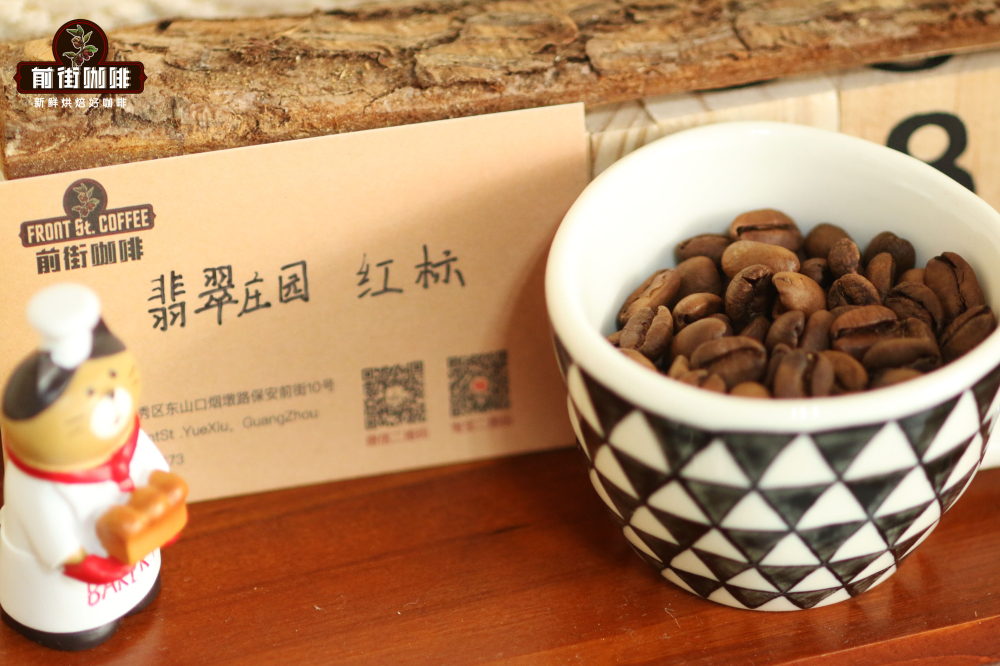
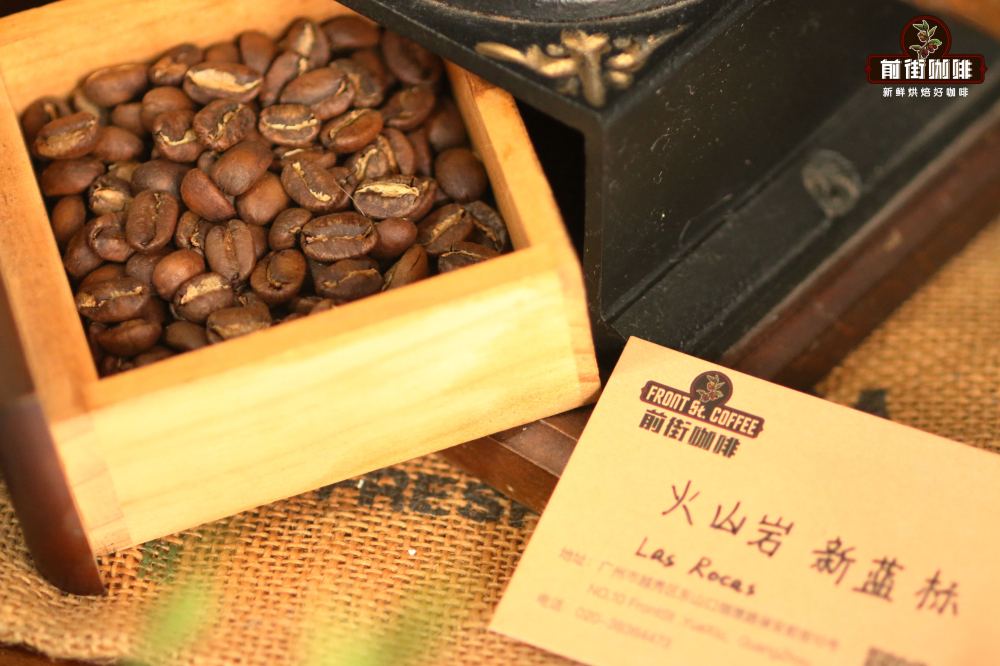
The Geisha offerings from Hacienda La Esmeralda are mainly divided into the following grades: Red Label Geisha, sourced from precisely designated micro-lots at altitudes of 1,600–1,800 meters, usually from single estates, with the most concentrated and refined flavors; Green Label Geisha, also from multiple micro-lots at 1,600–1,800 meters, offering rich flavor layers but slightly less refined than the Red Label; and the new Blue Label Geisha, sourced from volcanic soil regions at around 1,500 meters, launched in recent years, featuring fresh fruit aromas and good balance.
In actual tasting experiences, Red Label Geisha, due to its origin from a single high-altitude micro-lot, often presents intense strawberry and rose floral aromas, paired with oolong-like tea notes and a honeyed aftertaste. Washed Green Label Geisha features jasmine and ginger flower notes as the main profile, with bright citrus acidity and a lingering aftertaste reminiscent of Tieguanyin. The new Blue Label volcanic washed version offers a relatively refreshing profile, characterized by white floral notes, citrus tones, and honey-green tea sensations.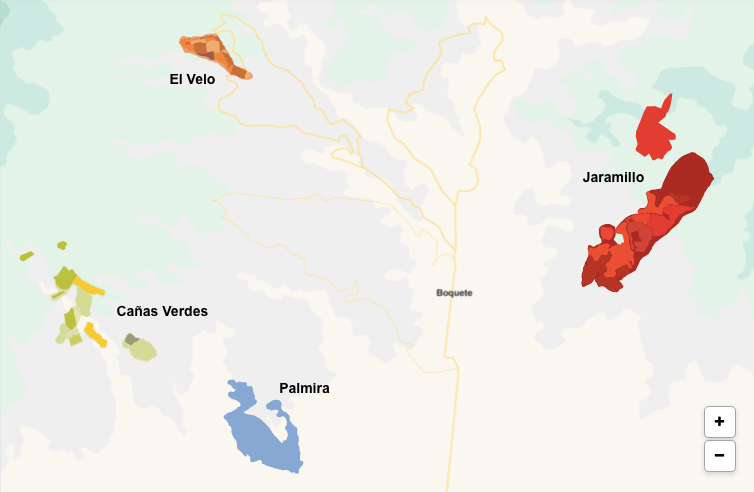
It’s worth mentioning that many consumers also mistakenly believe that the coffee produced by Ethiopia’s Gesha Village Coffee Estate is the same as Panama’s Geisha. In reality, although they share the same name, the two are not the same variety. Gesha Village is located in Ethiopia’s Bench-Maji zone in the south, an area rich in native coffee genetic resources. In 2007, director Adam Overton and photographer Rachel Samuel, while filming a documentary for the Ethiopian government, discovered the native Geisha variety in the Gori Gesha forest and subsequently introduced it for cultivation, establishing the Gesha Village estate and implementing systematic variety management and plot division.
Gesha Village currently primarily cultivates three varieties: Gori Gesha (Gori Gesha), Gesha 1931 (which has distant relations to Panama’s Geisha), and the disease-resistant variety IIIubabor Forest. Gesha Village divides its coffee products into five grades, including extremely rare auction lots (accounting for only 3.7% of annual production), top-tier Gold Label (about 10%), high-quality Red Label (about 15%), single-plot Green Label, and Chaka lots that blend multiple varieties and processing methods.
The auction lot Gesha Village coffees are the highest-grade products of the year’s output and must be acquired through global auctions, showcasing exceptionally outstanding flavor profiles. The Gold Label batches mostly come from plots such as Oma, with one particular Oma 059 batch undergoing a 32-day extended sundrying process. Cupping reveals intense fruity and fermented aromas, with distinct citrus and creamy notes on the palate, a long-lasting sweetness, and an aftertaste reminiscent of caramel and cream.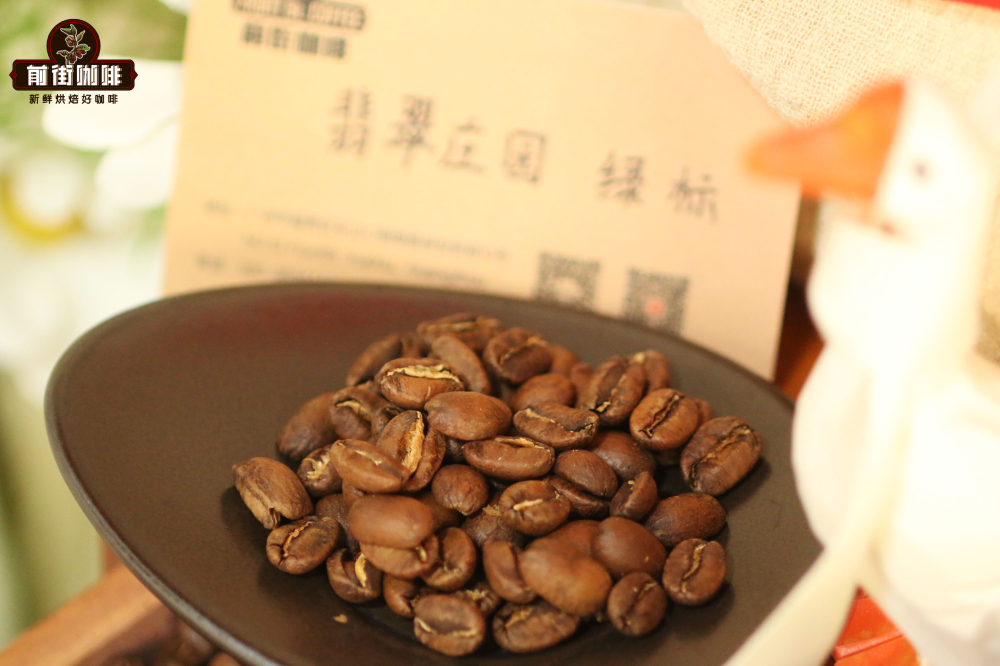
The Red Label batches account for about 15% of annual production, often scoring over 88 points (according to SCA standards), exhibiting classic Geisha flavors with good value for money. The Green Label consists of single-plot, single-variety offerings, providing complete traceability for origin and processing. The Chaka batches mix multiple varieties and processing methods, ideal for consumers wanting to experience a variety of flavors in one cup.
In summary, whether it’s the multi-tiered graded Geisha from Panama’s Hacienda La Esmeralda or the native variety series from Ethiopia’s Gesha Village, this coffee variety demonstrates immense flavor potential and diversity. If you’d like to personally experience the charm of Geisha, consider starting with Panama’s Red Label, Green Label, or Blue Label, gradually sensing the subtle differences brought by varying altitudes and processing methods. For brewing, it is recommended to use a V60 dripper, with a coffee-to-water ratio of 1:15, water temperature controlled at 90–91°C, medium-fine grind (approximately 80% passing through a #20 sieve), and employing a three-pour brewing method to fully showcase its delicate floral, fruity, and tea notes.
The above content is compiled by CoffeeHunters, a coffee news website.


