







Introduction:Cold drip coffee, with its crisp refreshment and rich complexity, has become a winter favorite among many coffee enthusiasts. However, making a well-balanced, sweet-and-acidic cold drip at home consistently actually involves mastering quite a few details. From selecting the right coffee beans and grind size, to controlling the drip rate, powder-to-water ratio, and knowing the best time to drink it—this guide will take you deep into the five key elements that influence the flavor of cold drip, and provide practical parameter suggestions to help you easily recreate professional-grade cold drip flavors.
Thanks to its unique cold brewing method, cold drip coffee unlocks the deep aromas and layered complexity of coffee beans, making it a standout in the specialty coffee scene. Compared to traditional hot brewing methods, the slow and gentle process of cold dripping reduces the risk of over-extraction, resulting in a smoother acidity and clearer sweetness. Although the basic equipment and principles aren’t complicated, several critical aspects still need attention to achieve a satisfying cup.
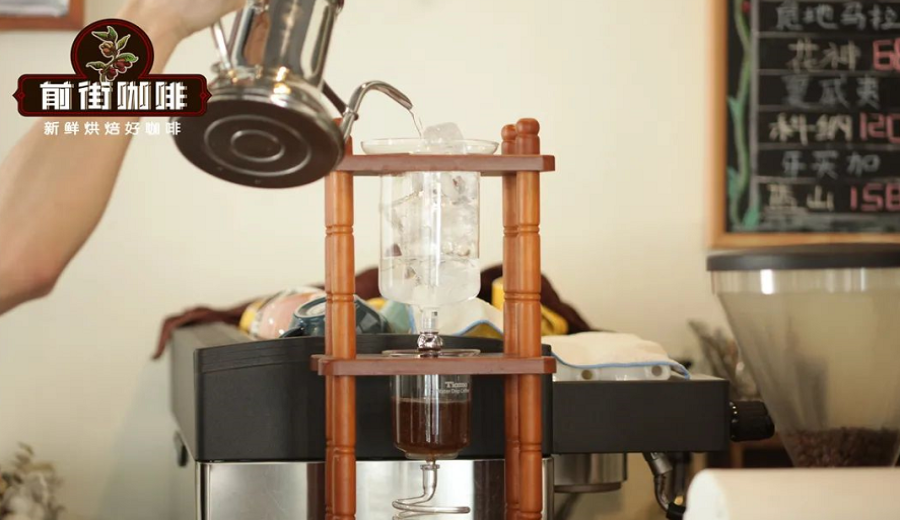
A standard cold drip setup is usually divided into three parts: the ice water container at the top, the middle coffee grounds chamber, and the bottom collection bottle. During operation, frozen or crushed ice water is slowly dripped through the layer of coffee grounds. After several hours of immersion and extraction, the result is a clear coffee liquid collected at the bottom. The entire process takes about 6 hours, but adjustments to various parameters will directly impact the final flavor profile.
The choice of coffee beans is the first step in defining the base character of your cold drip.Generally speaking, light roasted beans—with their bright acidity and vibrant fruit notes—can showcase more elegant layers under low-temperature extraction. Beans with distinctive regional characteristics or unique processing methods are also particularly well-suited for cold drip, such as those with wine-like or berry tones that can release captivating details during long, slow extraction.
In terms of grind size control,it is recommended to use a coarseness where 80% to 85% of the particles pass through a standard #20 sieve.If the passing rate is closer to 85%, the extracted coffee will have a richer and fuller flavor; if you prefer a crisper taste, you can adjust the passing rate to 80%. Grinding too coarse may lead to fast water flow and under-extraction; too fine may clog the filter layer, causing over-extraction and unwanted bitterness.
The dripping speed is also a key factor influencing the overall extraction time and flavor balance.It is generally recommended to aim for a rhythm of 7 drops every 10 seconds.At this speed, the entire extraction process takes about 6 hours. If you wish to extend the extraction time for a lighter-tasting result, you can slightly slow down the drip rate; conversely, if you prefer a stronger flavor, you can speed it up a bit—but be cautious to avoid channeling effects.
The powder-to-liquid ratio directly determines the concentration and extraction efficiency of the coffee.A commonly recommended ratio is 1:10, meaning 60 grams of coffee grounds to 600 milliliters of water.This ratio can produce cold drip coffee with rich flavor and clear layers. If you prefer a lower concentration, you can also adjust to 1:12 or 1:14, fine-tuning according to personal taste preferences. With a 1:10 ratio, one batch typically yields enough for about 3 cups of 200 ml cold drip.
Although freshly extracted cold drip coffee can be consumed right away,it is recommended to refrigerate it for at least 12 hoursto allow the flavors to further meld and mature. The taste at that point will be rounder and more balanced. Since the 1:10 ratio results in a higher concentration, you can add an appropriate amount of ice to adjust it—such as diluting 200 ml of coffee with 40 grams of ice—which maintains a cool drinking experience while preserving the original flavor profile.
Overall, making a great cup of cold drip coffee isn’t difficult—the key lies in mastering the details and balance of each step. Whether it’s selecting the right coffee beans, adjusting the grind coarseness, or controlling the drip rate and powder-to-water ratio, all can significantly impact the final flavor. By following these practical parameters and tips, even beginner coffee lovers can easily recreate professional-grade cold drip flavors at home.
The above content is compiled by CoffeeHunters, a coffee news website.


