







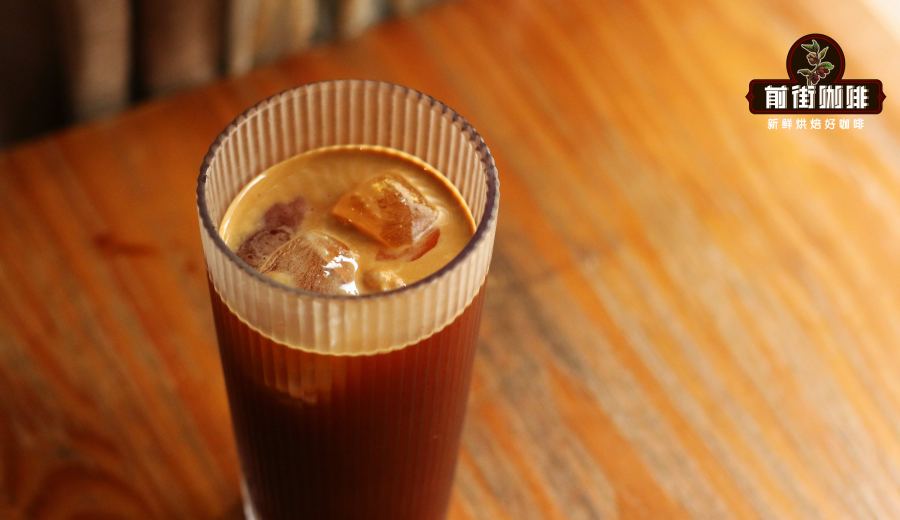
Introduction:Although Americano is made only with espresso and water, it is the best medium to showcase the essence of coffee and extraction techniques. This article delves into the preparation process of both hot and iced Americanos—from espresso extraction parameters and coffee-to-water ratios to ice configuration—helping you master the key details. It also explores whether coffee crema should be removed, using practical comparisons to illustrate its impact on flavor layers. Whether you’re brewing at home or preparing drinks in a café, this guide will help improve the quality of your Americano.
In today’s specialty coffee culture, espresso still holds a significant place. Though an Americano consists solely of espresso and water, seemingly simple, it actually best highlights the original flavor of the coffee beans and is the ultimate test of a barista’s extraction skills. Taking the Sunflower Sunshine Blend as an example, this article details the standard methods for making both hot and iced Americanos—including espresso extraction parameters, coffee-to-water ratios, and the impact of keeping or removing crema—helping you craft your ideal Americano.
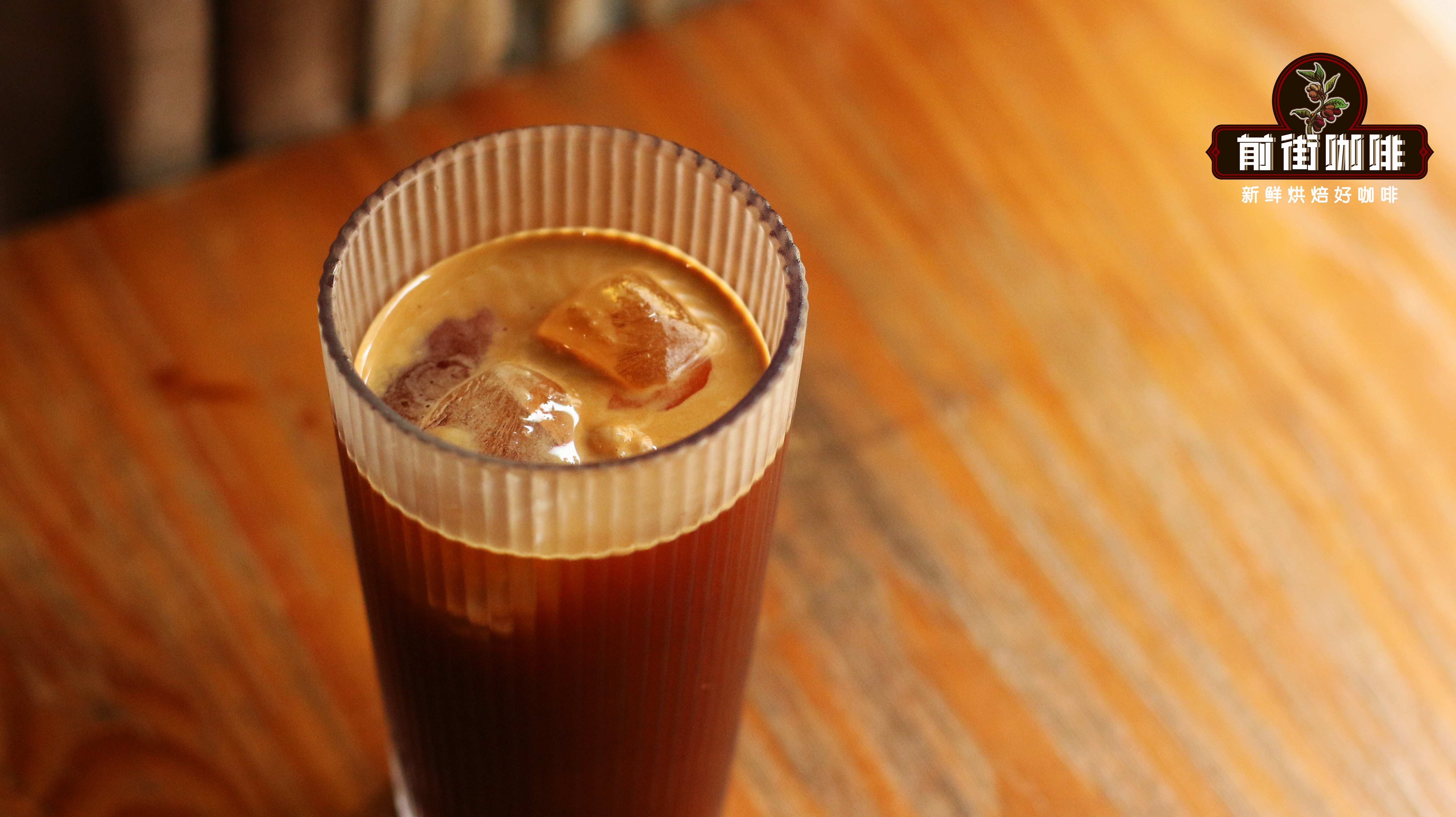
With the rise of the specialty coffee movement, despite consumers having more diverse choices, espresso remains one of the core beverages in many cafés. For baristas, mastering the basic techniques of making espresso is an essential starting point, and the Americano serves as the best litmus test for evaluating extraction skills. Compared to milk-based drinks, the Americano can present the intrinsic aroma and flavor characteristics of coffee beans more clearly.
Many people enjoy ordering an Americano when visiting a café, not only because it’s served quickly, but also because it directly reflects the establishment’s control over coffee quality. The composition of an Americano is extremely simple: just mix espresso with water in a certain ratio. If making an iced Americano, ice cubes are added as well. However, precisely because of its simplicity, it demands even more precision from the barista in controlling and stabilizing the espresso extraction.
Different coffee beans, due to variations in origin, processing methods, and roast levels, require different extraction parameters. Baristas need to adjust flexibly based on the beans’ current state to ensure that all types of beverages—espresso, Americano, latte, etc.—are presented at their best. Take the Sunflower Sunshine Blend as an example: this blend typically reaches its peak flavor 12 to 14 days after roasting. The empirically tested standard espresso extraction recipe is: using 20 grams of coffee grounds to extract 40 grams of espresso, within about 30 seconds.
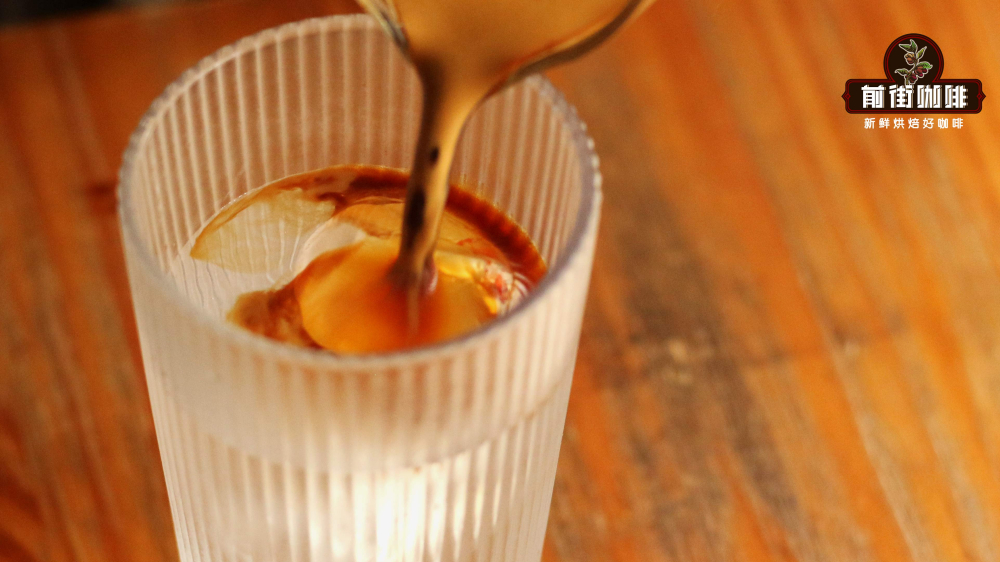
When making a hot Americano, it is recommended to first preheat the cup with hot water, then pour in the hot water, and finally add the extracted espresso. Based on multiple tests, the ideal coffee-to-water ratio for a hot Americano falls between 1:6 and 1:8, with the most commonly adopted golden ratio being 1:6—that is, mixing 40 grams of espresso with 240 grams of hot water, yielding a balanced taste without being overly diluted.
As for iced Americanos, since ice cubes are added, the total liquid volume increases, so it is recommended to adjust the ratio to 1:7. Specifically, 40 grams of espresso can be paired with 280 grams of an ice-water mixture, which includes about 180 grams of ice cubes and 100 grams of cold water. Pre-chilling the cup with ice cubes beforehand helps maintain the drink’s cool temperature and prevents the flavor from becoming diluted due to rapid ice melt.
Many people often face a question when making Americano: should the crema—the layer of oils on the surface of the espresso—be removed? This crema is a foam layer formed by the interaction of carbon dioxide and fats in the coffee under high-pressure extraction. When the pressure dissipates, the carbon dioxide is released and enveloped by the fats, creating this golden film.
To verify the impact of crema on flavor, an experiment once compared two Americanos—one with the crema retained and the other with it scraped off. The results showed that the cup without crema had a cleaner, smoother taste, while the one with crema exhibited a richer, more full-bodied texture. Both versions had distinct dark chocolate notes and subtle whiskey barrel aromas, with acidity levels being fairly mild. If you prefer a clean and clear flavor profile, consider removing the crema; if you’re aiming for a more robust mouthfeel or want to improve efficiency during busy hours, keeping the crema is the better choice.
The above content is compiled by CoffeeHunters, a coffee news website.


