







Introduction:Indonesian Mandheling coffee is renowned for its rich, full-bodied flavor, low acidity, and herbal characteristics, making it one of the most representative single-origin coffees. This article will delve into the main producing regions of Sumatran Mandheling, bean variety differences, grading standards, and the wet-hulling processing method. It also provides a detailed comparison of the flavor profiles between Lintong Mandheling and PWN Golden Mandheling. Practical pour-over brewing parameters are offered to help you master the brewing essentials of this classic coffee.
Mandheling coffee has long been a classic choice for many first-time single-origin coffee drinkers due to its full-bodied, mellow taste and unique herbal and cocoa notes. Compared to the bright, floral, and fruity profiles of Yirgacheffe or Geisha, Mandheling exhibits a deeper and more layered character. This article will systematically introduce knowledge about Indonesian Mandheling coffee beans from perspectives such as growing environment, bean variety traits, grading, and processing methods. It also provides a detailed comparison between a well-known shop’s Lintong Mandheling and PWN Golden Mandheling, along with professional pour-over brewing recommendations to help you gain a deeper understanding of this distinctive coffee.
Many people initially find Mandheling off-putting due to its strong bitterness and low acidity. However, after multiple cuppings across harvests and regions, it has been found that high-quality Mandheling is not merely about monotonous bitterness. Under proper roasting and brewing conditions, it can showcase lively mild acidity along with rich herbal and dark chocolate flavors, making it a coffee worth savoring.
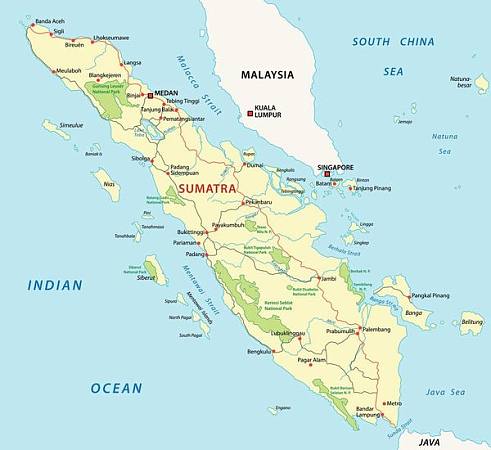
Regarding the origin of the name “Mandheling,” it actually does not come from a place name but from an ethnic group called “Mandheling” on the island of Sumatra in Indonesia. Only Arabica coffee grown in Sumatra can be called Mandheling. The two most representative producing regions in the area are Aceh, located in North Sumatra near Lake Tawar, and the mountainous region around Lake Toba in South Sumatra. Due to the predominance of smallholder farms and the use of a unique semi-washed processing method, coupled with lower iron content in the soil, freshly harvested green beans often exhibit a distinctive bluish hue.
Lake Toba is situated in the central part of North Sumatra Province. Since 1888, Dutch colonists transplanted the “Java Mandheling” originally grown in Java to this region. Nowadays, the regions surrounding Lake Toba and the Lintong area in South Sumatra are considered the core production areas of Mandheling. In contrast, Lake Tawar is located in the Aceh Special Region at the northern tip of Sumatra. Though its area is less than one-tenth of Lake Toba’s, the coffee quality and yield there have significantly improved in recent years. The coffee produced locally is often referred to as Aceh coffee or Lake Tawar coffee, predominantly of the Ateng variety.
In the market, two representative Mandheling coffee beans are commonly seen: one is Lintong Mandheling from the Lintong region, and the other is Golden Mandheling from the PWN company, produced in the Gayo region. These two beans differ not only in origin but also in grade, processing, and flavor profiles.
Golden Mandheling is a registered trademark of Indonesia’s PWN (Pwani) company, and its definition is quite strict. Only beans that have undergone at least three rounds of manual sorting after harvest, ensuring no more than 3 defects in a 300-gram sample, a bean size of 18 or above, and belonging to the highest grade G1, along with a dark green appearance and uniform flat bean shape, can be called Golden Mandheling. Due to the rigorous selection process, these beans have a high cleanliness in flavor, prominent sweetness, but may have slightly lower body compared to some specialty-selected Mandhelings.
As the reputation of Golden Mandheling grows, many products on the market, though of G1 grade and not produced by the PWN company, still label themselves as “Golden Mandheling.” Although these beans go through similar selection processes, they lack official PWN certification and can only be classified as specialty Mandheling. Authentic PWN-certified Golden Mandheling will have clear labeling and certificates on the burlap sacks, which consumers should pay special attention to when purchasing.
In terms of flavor, PWN Golden Mandheling is usually cleaner and purer, with outstanding sweet aftertaste, while Lintong Mandheling, due to its unique variety and processing method, often has a fuller body and more pronounced herbal notes. If you prefer a clean-tasting, sweet coffee, Golden Mandheling is the better choice; if you’re drawn to bold, intense flavors, Lintong Mandheling is not to be missed.
In terms of variety, Lintong Mandheling mainly uses the TimTim (Timor) variety, an Arabica type with Robusta lineage, whereas Golden Mandheling is mostly the Ateng (Catimor) variety, a hybrid of Caturra and Timor. Both varieties have strong resistance to pests and diseases, making them well-suited to Indonesia’s hot and humid growing environment.
In processing, Indonesia widely employs the wet-hulling method (Giling Basah), a unique local coffee processing technique. Due to the perpetually humid and rainy climate, coffee farmers first perform water fermentation after harvest to remove the pulp, then immediately scrape off part of the mucilage and parchment layer while the beans still retain about 30–40% moisture. They are then dried by sun or mechanical means until the moisture level drops to around 13%. This processing method not only shortens production time but also contributes to the distinctive heavy body and bold personality of Mandheling. Notably, wet-hulling is unique to Indonesia, resulting in flavor profiles that differ greatly from those of other regions.
Overall, Indonesian Mandheling coffee features a rich, mellow, and slightly bitter taste, with hints of herbs and cocoa, and some batches subtly reveal dark chocolate and mildly sweet notes. The roasted beans are larger in size, with a unique caramel aroma, suitable for various brewing methods including pour over and espresso blends, and are beloved by coffee enthusiasts worldwide.
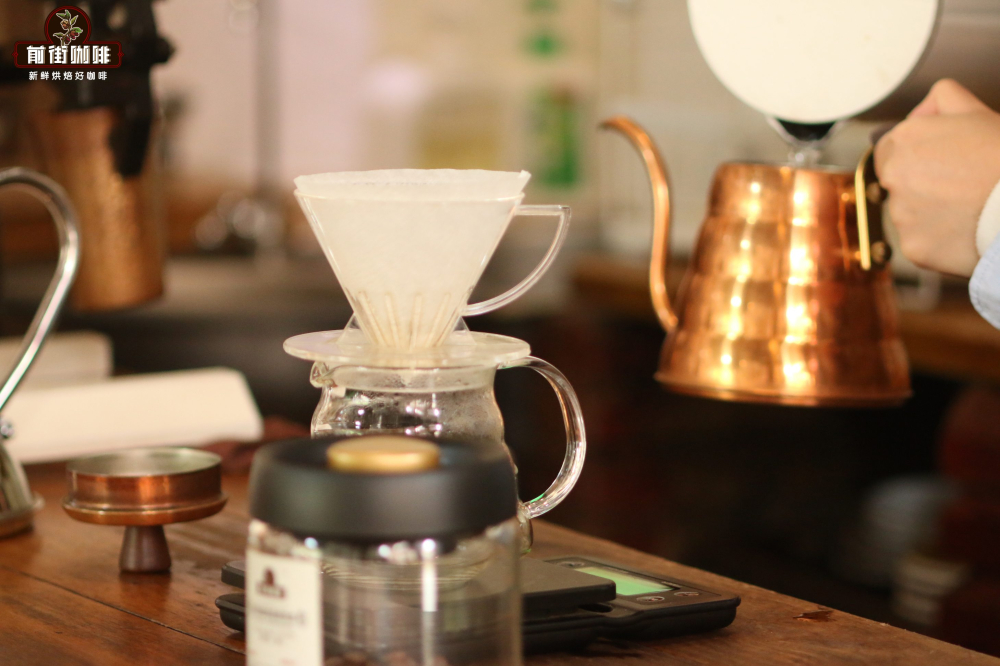
To enjoy the best flavor of Mandheling, freshness in roasting is crucial. It is recommended to purchase beans shipped within five days of roasting to ensure peak flavor. In terms of brewing, since Mandheling itself has low acidity, it is unlikely to develop unpleasant sourness even during extended warming or when made into iced coffee. A KONO filter is recommended, using 15 grams of coffee, a 1:15 coffee-to-water ratio, and a grind size of 70% passing through a Chinese standard No. 20 sieve, with water temperature controlled at 88°C. The specific brewing steps are as follows: start with a 30-second bloom using 30 grams of water, then slowly pour to reach 125 grams for the first pour, followed by slightly increasing the pour rate to reach 225 grams, with a total extraction time of about 2 minutes. Precise control of these parameters will fully highlight the richness and layered profile of Mandheling.
The above content is compiled by CoffeeHunters, a coffee news website.


