







Introduction:The Amederaro coffee beans from the Ethiopian highlands at an altitude of 2200 meters are renowned for their anaerobic slow-drying processing method. They have achieved double championships in both the TOH National Competition and the African Regional Finals. This article delves into their processing technique, complex and captivating fruity and floral tea-like aftertaste, and provides practical pour over parameters to help you fully showcase the potential of this champion coffee.
At the Amederaro processing station located at around 2200 meters above sea level in Ethiopia, top-tier coffee beans named Amederaro were born. The reason these beans are so highly praised is not only due to winning the national and African regional finals of the 2019/20 TOH (Taste of Harvest Coffee Competition) in back-to-back championships, but also because of their unique anaerobic slow-drying processing method, which gives them an exceptionally distinctive flavor profile.
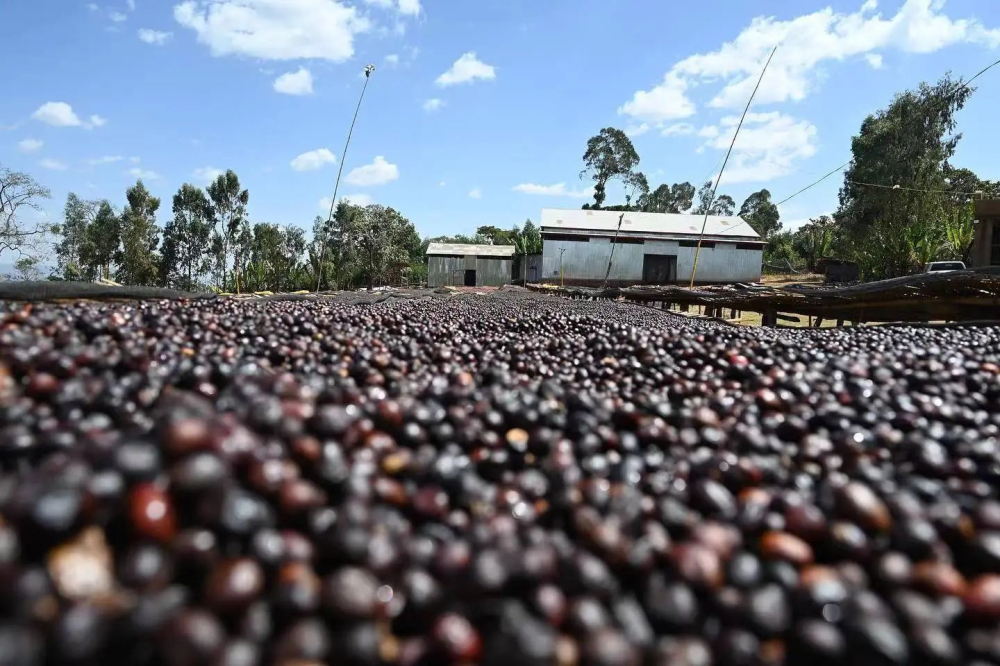
During the processing, farmers only select fully ripe red cherries to ensure each coffee fruit reaches its optimal flavor state. After strict manual sorting, these red cherries are placed in a sealed anaerobic environment for prolonged and slow fermentation. This fermentation process allows the sugars in the pulp and natural yeasts to interact fully, gradually transforming into complex aromatic compounds. This low-oxygen environment not only slows down the fermentation rate but also makes the flavors more concentrated and layered.
When these anaerobically fermented coffee beans finally undergo slow drying, the evaporation of moisture is more stable, helping to preserve the delicate fruity aromas and sweetness produced during fermentation. When brewed, Amederaro exhibits the vibrant acidity of passion fruit as the upfront note, followed by honey-like sweetness and a subtle champagne bubble sensation. The mouthfeel is rich and juicy like fruit juice, and upon closer tasting, alternating notes of white grapes and other tropical fruits can be discerned, while the aftertaste carries a faint hint of rose tea. Overall, it presents a profile that is both complex and well-balanced.
Many consumers worry that anaerobic processing may result in overly strong fermentation or alcoholic notes, but the processing of Amederaro strikes just the right balance — the fermentation character is natural and not overpowering, with long-lasting and pleasant flavors. This refined processing technique sets it apart among many Ethiopian coffees with special processing methods.
Aside from Amederaro, the Wokka Cooperative, also from Ethiopia’s Yirgacheffe region, has released coffee batches processed with anaerobic natural (sun-dried) methods. These beans typically exhibit prominent floral characteristics, accompanied by the bright acidity of mango and lemon. Their acidity is soft and the fermentation note is relatively mild, making them suitable for drinkers who enjoy bright fruitiness and refreshing profiles, especially recommended for summer consumption.
Speaking of the TOH competition, its full name is the “African Taste of Harvest Coffee Competition” (AFRICAN TASTE OF HARVEST COFFEE COMPETITION), organized by the African Fine Coffee Association (AFCA). It is a key event for evaluating the quality of fine coffees in Africa. Held annually, the competition is divided into two stages: the national competition and the African regional finals. The judging criteria are rigorous, following the cupping protocols of CQI and SCA. Winners of the national competitions have the opportunity to represent their countries and advance to the African regional finals to compete for higher honors.
The term “double champion” refers to winning first place in both the national competition and the African regional finals. In the 2019/20 season, Amederaro first took the top spot in the Ethiopian National Competition, and then stood out among numerous national representative coffees in the subsequent African regional finals, rightfully earning the title of double champion for that season.
For coffee enthusiasts who wish to fully experience the complex flavors of Amederaro at home, it is recommended to use the pour over method. Brew with water temperature between 90-92°C, a grind size of medium-fine (such as the Blue Bottle standard or slightly coarser than granulated sugar), and a coffee-to-water ratio of 1:15 to 1:16. Using a pulse pouring technique helps achieve even extraction: start with a small amount of hot water for blooming, then pour the remaining water in stages. This effectively enhances the expression of fruity and acidic notes, making the honey and floral aromas more pronounced.
The above content is compiled by CoffeeHunters, a coffee news website.


