







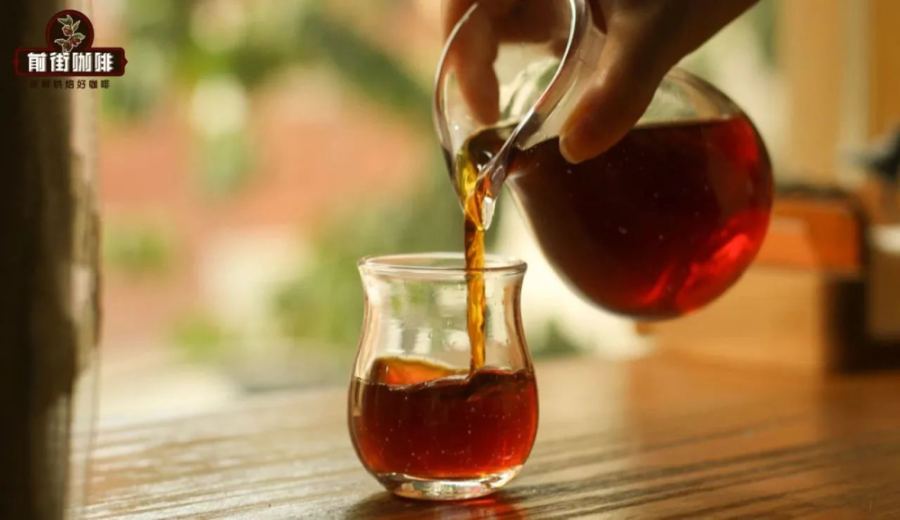
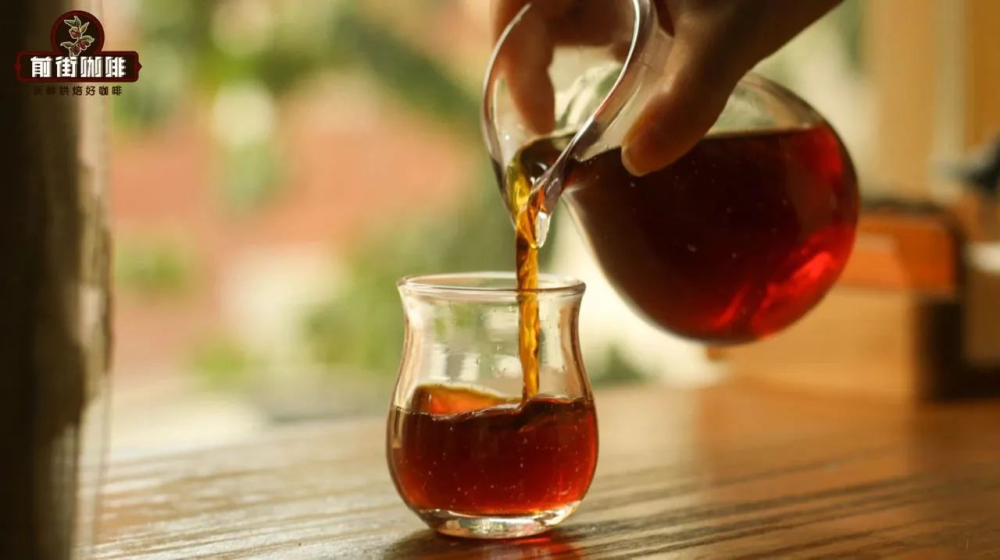
Introduction:Mandheling and Huakui are two specialty coffees with vastly different profiles — one is known for its intense herbal notes and bold body, while the other showcases bright acidity and fresh aromas. This article delves into their regional backgrounds, processing differences, flavor origins, and provides practical pour over parameters to help readers understand the unique charm and brewing techniques of these two classic beans.
In the world of specialty coffee, Mandheling and Huakui are two highly representative beans, each showcasing distinctly different flavor characteristics. Mandheling is famed for its rich herbal aroma and full-bodied mouthfeel, winning the hearts of coffee lovers who prefer deep, intense flavors. Huakui, on the other hand, appeals to those who enjoy fresh and sweet profiles with its abundant fruit notes and bright acidity. This article will comprehensively break down the essential differences between these two beans, from their origin stories and processing methods, to flavor formation and practical pour over recommendations.
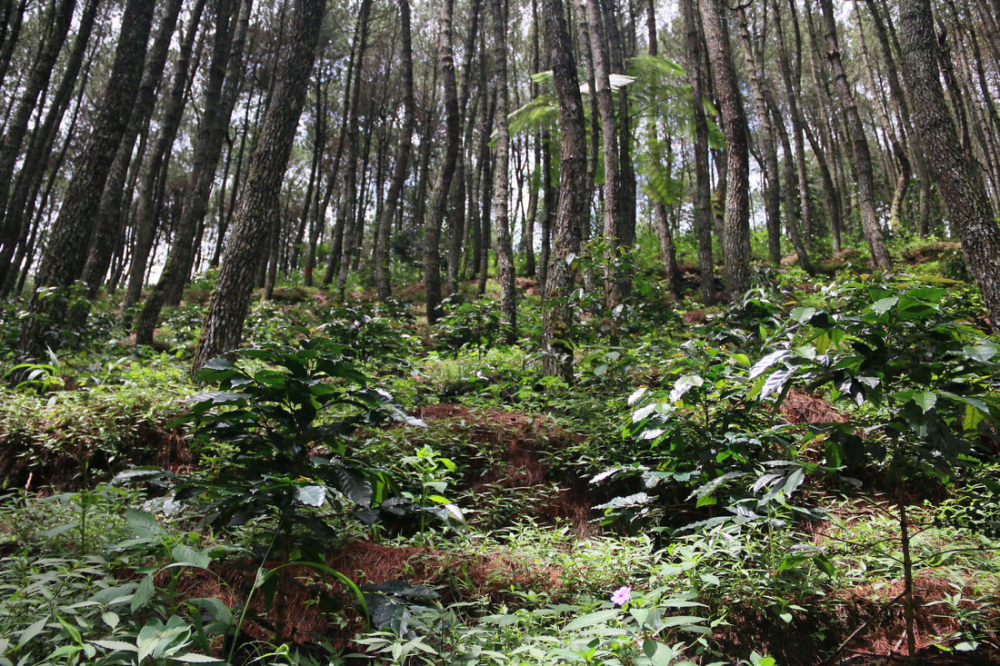
First, let’s explore the origins of these two coffees. Mandheling is a historic coffee variety originating from the island of Sumatra in Indonesia. This tropical archipelago nation, with its unique geography and climate, nurtures coffees with strong regional character. Mandheling is mainly grown in the northern regions of Sumatra — Aceh and North Sumatra provinces — which feature high-altitude mountainous terrain and mineral-rich volcanic soils, offering ideal growing conditions. The coffee trees are typically planted near Lake Tawar and Lake Toba, where the humid climate and moderate day-night temperature variation help the beans accumulate complex flavor compounds.
In contrast, Huakui is a relatively new name, first appearing in Ethiopia’s 2017 TOH (Top of the Harvest) green bean competition. At that time, this sun-dried coffee stood out and won the championship. The name “Huakui” is not a place or variety, but an elegant title given by a domestic green bean importer based on the Chinese context, meaning “the foremost among flowers.” Subsequently, this sun-dried G1 coffee from Ethiopia’s Guji Hambela region quickly gained widespread acclaim in the market for its consistent quality, rich fruit flavors, and accessible price, becoming a top choice for many coffee beginners trying single-origin beans.
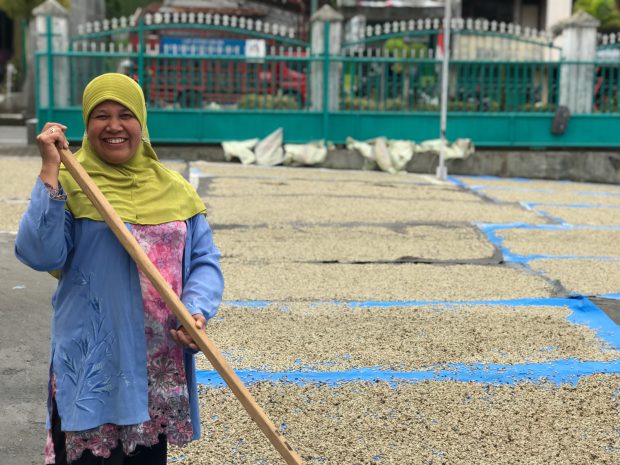
When it comes to processing, Mandheling employs Indonesia’s unique wet-hulling method, while Huakui uses the traditional natural (sun-dried) process. Wet-hulling is a special technique that combines wet processing with partial drying before hulling the parchment. Due to Sumatra’s consistently humid climate and frequent rainfall, fully drying the parchment beans to the ideal moisture content poses a significant challenge. Therefore, local processors often remove part of the outer parchment layer when the beans are at around 30%–50% moisture, then continue the drying process. This method not only drastically shortens drying time but also, due to prolonged exposure to humidity and high temperatures, gives Mandheling its signature herbal, spicy, and woody notes. Additionally, the friction and compression during processing often result in the so-called “elephant ear” bean shape typical of Sumatran coffee.
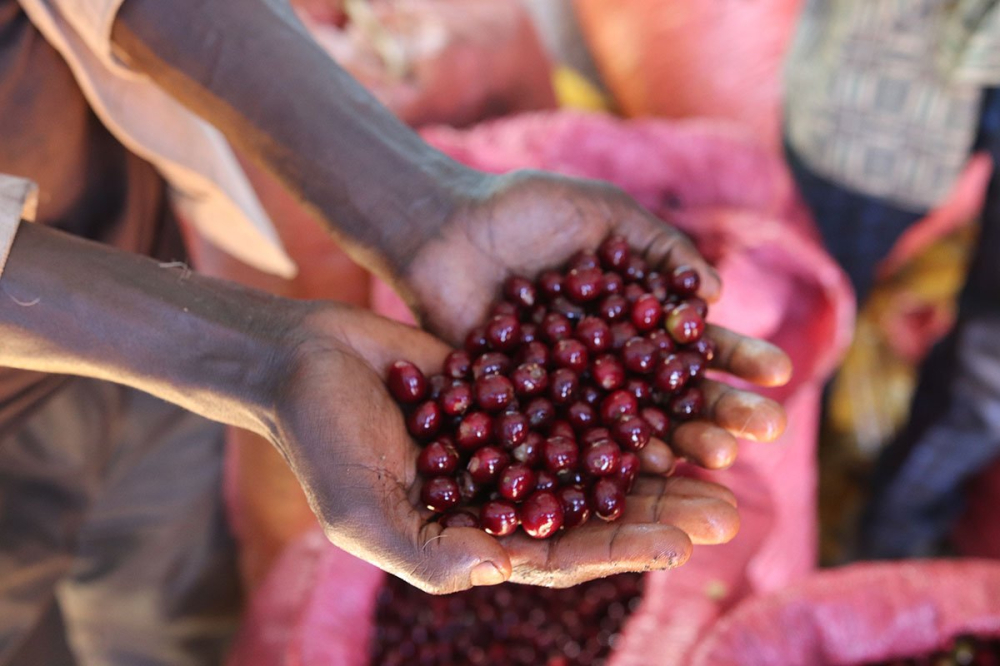
On the other hand, Huakui strictly follows the natural sun-dried method. This is the most traditional coffee processing technique, where whole coffee cherries are directly exposed to sunlight until the pulp and mucilage are completely dried. This process fully preserves the sugars and fruity compounds in the cherry, and through proper fermentation and drying, ultimately forms Huakui’s distinct fruitiness and sweet acidity. During drying, the beans remain fully enclosed by the fruit, allowing for a longer fermentation period, which helps produce more furan and ester compounds, further enhancing its fruity aroma and sweetness. While this method is highly weather-dependent, when done correctly, it can yield exceptionally rich and balanced flavors.
Why does Mandheling generally exhibit a bolder, herbaceous, and earthy profile, while Huakui shows bright, refreshing fruit acidity? This is closely related to their roasting strategies. Mandheling is usually roasted to medium-dark or dark levels, which enhances the caramelization reactions in the beans, releasing more notes of pine, spice, and dark chocolate while suppressing acidity, resulting in a bold and full-bodied cup. In contrast, Huakui is mostly roasted to medium-light levels, preserving more of its inherent fruit acidity and floral notes, while a moderate caramelization highlights fresh flavors like passionfruit, strawberry, and citrus.
For Mandheling, it is recommended to use a Kono filter cone for pour over. The Kono cone has shorter ribs, which effectively reduce airflow between the filter paper and coffee bed, extending contact time between water and grounds and aiding in a more even extraction and fuller body. It is suggested to use a medium grind size (about 70% extraction through a Chinese standard No. 20 sieve), with water temperature controlled at 87–88°C and a brew ratio of 1:15. The brewing process is recommended to follow a three-stage pouring method: first, pour 30ml of hot water for blooming to awaken the grounds; second, pour 100ml to bring out golden crema; and finally, pour 95ml to complete the extraction. This process helps fully express Mandheling’s spicy, piney, and caramel notes, delivering a rich and smooth mouthfeel.
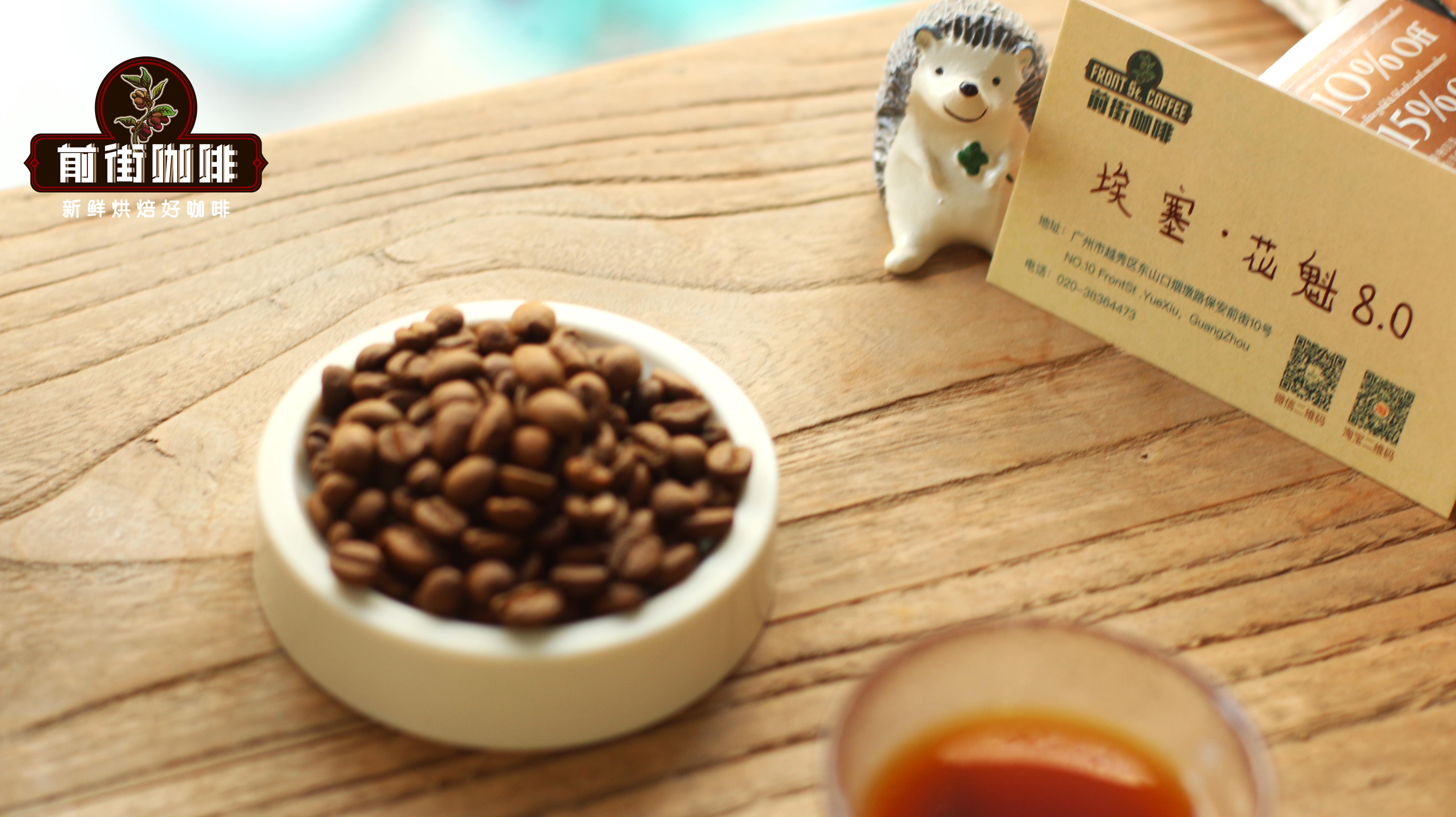
As for Huakui 8.0, with its fruit-forward and bright acidic profile, it is recommended to use a V60 filter cone paired with a medium-light roast. The design of the V60 facilitates fast water flow, preserving more volatile aromatic compounds and highlighting Huakui’s rich fruitiness and delicate acidity. A fine sugar-like grind size (approximately 78% extraction through a No. 20 sieve) is advised, with slightly higher water temperature around 92–93°C, and a brew ratio maintained at 1:15. The pour over method also follows a three-stage approach: start with a bloom using twice the coffee dose (around 30ml) for 30 seconds; then pour up to 125ml, slowly lifting the coffee bed; and finally pour up to 225ml, with the total brew time kept within about 2 minutes. This setup fully brings out Huakui’s citrus, berry, and black tea finish, creating a bright and balanced cup.
The above content is compiled by CoffeeHunters, a coffee news website.


