








Introduction:Pour-over coffee may seem simple, but to consistently brew a well-balanced, layered cup with good flavor, the key lies in precisely controlling four major extraction parameters: coffee-to-water ratio, water temperature, grind size, and extraction time. This article will explain, in an easy-to-understand way, how these elements interact with each other and guide you on how to choose the right coffee beans based on your personal taste preferences, so you can brew professional-level clean-tasting pour-overs at home.
The art of pour-over coffee lies in the details. Many people are fascinated by the barista’s smooth pouring movements, but when they try it themselves, they often feel helpless, thinking, “I did exactly what they did, but the taste just isn’t right.” The issue isn’t the technique itself, but whether one understands how each extraction parameter relates and interacts with the others. By mastering the key logic behind coffee-to-water ratio, water temperature, grind size, and extraction time, you can significantly improve your chances of a successful pour-over.
Pour-over is essentially a form of drip filtration extraction, where the combination of a filter cone and paper filters removes coffee grounds, leaving behind a clear and clean coffee liquid. Since pour-over often uses single-origin beans, selecting beans that suit your taste is especially important. If you don’t enjoy overly strong bitterness, you might want to prioritize medium to light roasted coffee beans, which usually have brighter acidity and more complex floral and fruity aromas.

To quickly find a bean that matches your taste, it’s recommended to start with the flavor wheel. If you enjoy fresh and pleasant floral notes, you can try the following medium to light roast options:Rwanda Red Bourbonoften presents bright notes of berries, citrus, and nuts; whileHuakuifeatures distinct aromas of dried strawberries, guava, and tropical fruits; if you prefer soft and subtle flavors like green tea and jasmine,Bouquet Geishais a good choice; for those wanting more refreshing citrus and lemon notes,Guodingdingcan deliver a balance of tea-like texture and fruity acidity; if you prefer juicy and sweet mixed fruit flavors,Kenyamight amaze you with its unique combination of cherry tomatoes, dark plums, and black plums.
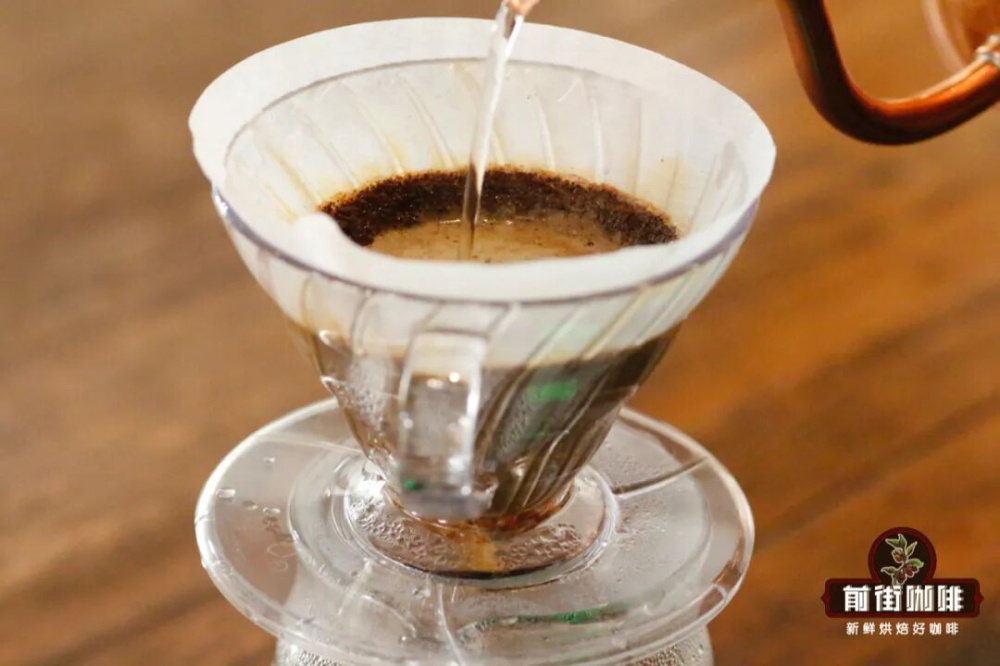
Many people watch baristas effortlessly brew a delicious pour-over at the counter, but when they try it at home, they just can’t achieve the same level—even doubting whether they “don’t have the right touch.” In fact, the key difference often doesn’t lie in the technique, but in those invisible parameters—coffee-to-water ratio, water temperature, grind size, and extraction time. These four elements are the foundation of extraction, and any imbalance among them will directly affect the flavor outcome.
Let’s start with “coffee-to-water ratio,” which refers to the weight of coffee grounds relative to the amount of water poured. For example, a 1:15 ratio means 1 gram of coffee grounds to 15 milliliters of water. The higher this ratio, the lighter the coffee flavor; the lower the ratio, the stronger the flavor. To ensure consistency, using a digital scale is essential. Based on multiple experiments and brewing tests, under consistent conditions,a 1:15 coffee-to-water ratiocan achieve a balanced strength and clear flavor expression, making it suitable for most single-origin beans. If you find your coffee too strong or too weak, it’s advisable to revisit whether the grind size, water temperature, and extraction time are well-coordinated.
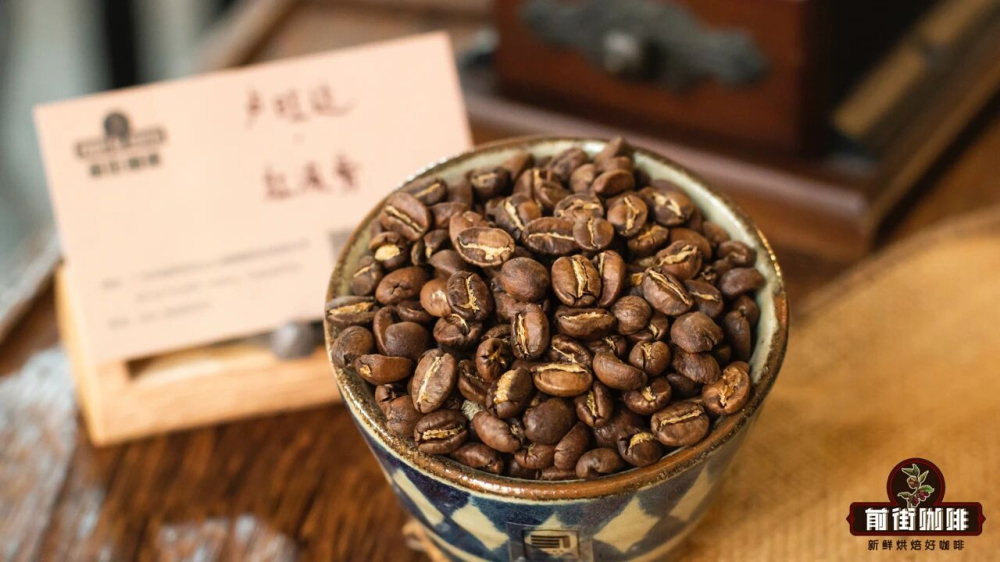
Next is “grind size,” which refers to how fine or coarse the coffee beans are ground. The finer the grind, the greater the surface area in contact with water, leading to more concentrated flavor release and a stronger coffee; the coarser the grind, the slower the flavor release, resulting in a generally lighter cup. It’s worth noting that there is no universal standard for the settings on commercial grinders, so it’s recommended to use sieve analysis as a reference. Formedium to light roasted beans, which have a looser structure and are easier to extract, it’s suggested to use a sieve with a 75%-80% pass rate (about the fineness of coarse sugar); formedium to dark roasted beans, which are denser and have a tighter structure, it’s recommended to adjust to a 68%-73% pass rate (similar to granulated sugar) to avoid over-extraction and bitterness.
“Water temperature” is also an extremely important variable. The higher the water temperature, the faster the extraction, and the coffee usually has a stronger flavor—but it can also release too much bitterness and unwanted impurities; lower temperatures result in gentler extraction, which is better for highlighting acidity and aroma, but may lead to under-extraction. Generally, it is advised to use water at 90–93°C for extraction when paired with the above grind size for medium to light roasts; for medium to dark roasted beans, it is recommended to lower the temperature to 87-89°Cto avoid over-extraction.
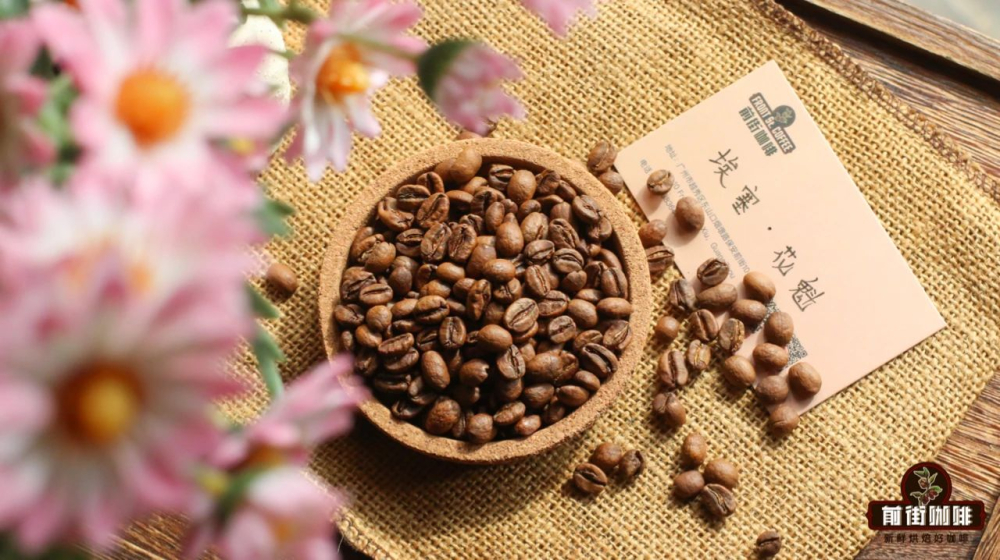
Finally, there’s “extraction time,” which refers to the total duration from when the first drop of water touches the coffee grounds until the filter cone is removed. This period determines how long the water is in contact with the coffee grounds, thus affecting how fully flavors are extracted. The longer the time, the more complete the extraction and typically the stronger the flavor; shorter times result in a lighter cup. In practice,the ideal total extraction time for 15 grams of coffee grounds is between 1 minute 50 seconds and 2 minutes 20 seconds. This range helps balance acidity, sweetness, bitterness, and aroma, showcasing the multi-dimensional profile of the coffee.
When it comes to actual brewing, “pouring technique” is also one of the keys that affects the rhythm of extraction. Many coffee enthusiasts focus on fancy pouring patterns, but the more crucial aspect is controlling the strength of the water flow and the number of pours to adjust the overall extraction time and flavor release. For beginners, it is recommended to start withthe three-pour method. This approach allows you to fully extract the bright fruit acids and aromas from the early and middle stages within a stable extraction time, and moderately bring out the body and slight bitterness from the later stage, resulting in a smoother and more balanced overall taste. It is a practical strategy for achieving consistent pour-over results.
The above content is compiled by CoffeeHunters, a coffee news website.


