







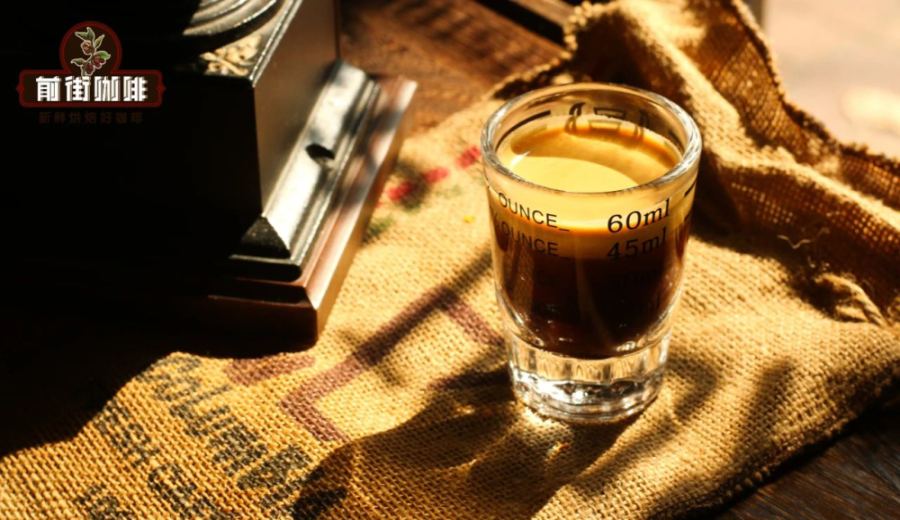
Introduction:To brew a well-balanced shot of Espresso, mastering the dose and flavor evaluation are key. This article delves into the historical background and evolution of espresso machines, provides recommendations for single and double doses based on different filter basket diameters, and outlines a complete sensory evaluation process—from aroma and taste to texture layers—to help you more precisely grasp the essence of espresso. These insights are useful whether you’re brewing at home or in a café setting.
Espresso is the soul of Italian-style coffee, forming not only the foundation for variations like lattes and cappuccinos but also serving as an important benchmark for evaluating a café’s quality. To pull an ideal shot of Espresso, in addition to the coordination between machine and grinder, selecting the right dose is paramount. Furthermore, learning how to properly evaluate its flavors allows you to truly understand each cup’s potential and nuances.
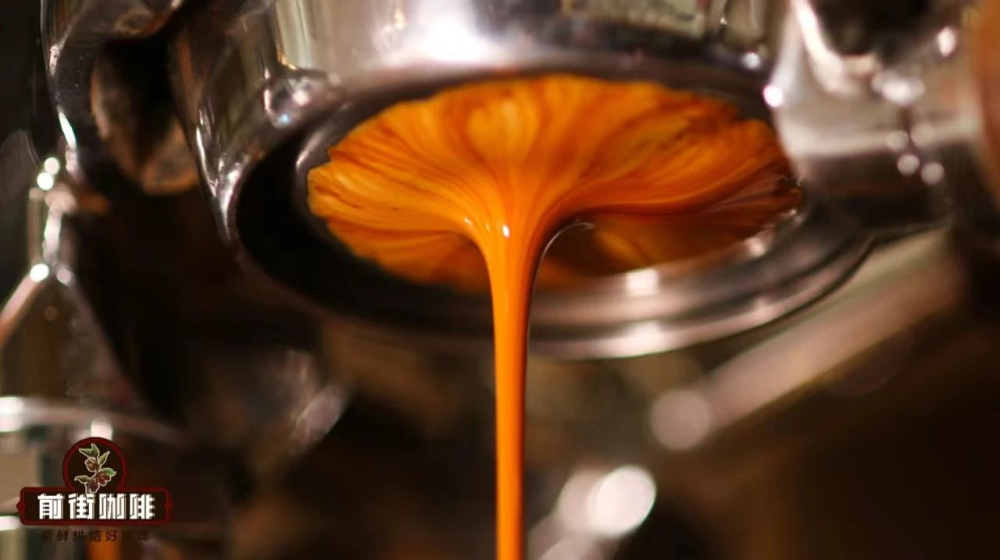
Espresso refers to extracting a small amount of highly concentrated coffee liquid in a short time (usually 25–30 seconds) using extremely finely ground coffee beans under high water temperature (around 90–94°C) and high pressure (about 9 bars). The typical extraction ratio is 1:2—that is, using 18 grams of coffee grounds, which under ideal conditions can yield about 36 grams of espresso. This process emphasizes concentration, intensity, and the instant release of flavors.
Looking back at history, Espresso was born in Italy in the early 20th century. Initially, it was extracted using steam pressure, and it wasn’t until the mid-to-late 1940s, with the advent of spring-lever piston machines, that the modern definition of high-pressure, rapid extraction was truly realized. At that time, Italian inventor Luigi Bezzera applied for a patent for a “device capable of quickly and highly pressurized coffee extraction,” a design that already had the rudiments of a modern espresso machine.
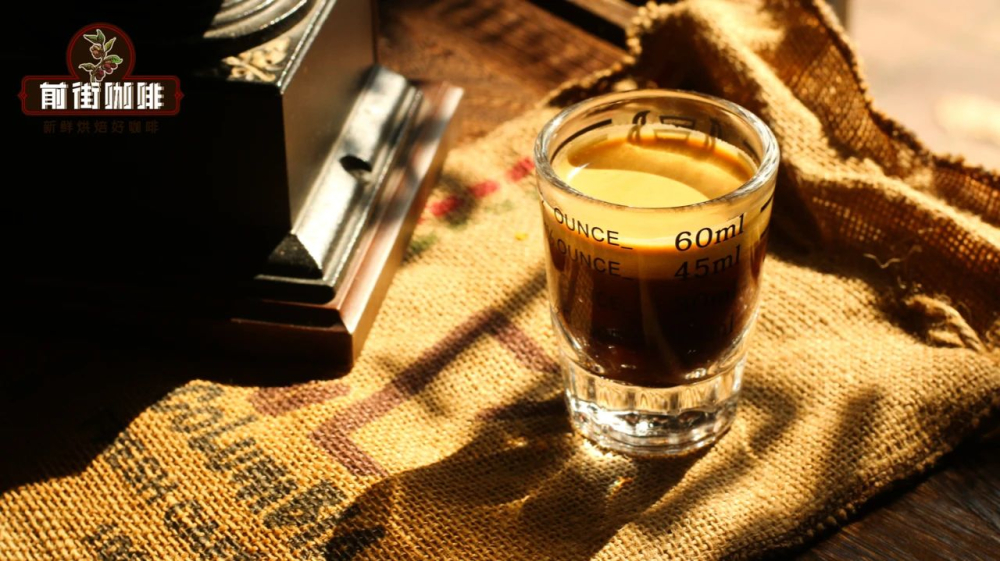
In 1905, Desiderio Pavoni acquired the patent and launched the world’s first commercial espresso machine, “The Ideale.” However, by today’s standards, the machine was still quite primitive—with a pressure of just 1.5 bars, an extraction time as long as 45 seconds, and a relatively high extraction temperature, resulting in a flavor profile more akin to traditional drip coffee than the rich, intense espresso we know today. It wasn’t until subsequent technological advancements that espresso gradually took shape, becoming the bold and layered beverage we enjoy now.
When discussing espresso doses, the first thing to understand is the diameter and type of filter basket you are using. Commercially available espresso baskets commonly come in sizes such as 53mm, 55mm, and 58mm, with slight variations depending on brand and machine model. They can generally be divided into two main categories: wide and narrow. Narrow baskets are usually deeper and are better suited for stabilizing the coffee bed, while wide baskets are relatively shallower and are often found in home or commercial machine models.
Within the same basket diameter, filters are also categorized into single-shot (single shot) and double-shot (double shot) designs. For a single-shot basket, the recommended dose is about 7–8 grams, yielding approximately 15–20 milliliters of liquid; for a double-shot basket, the recommended dose is 16–18 grams, yielding around 30–40 milliliters. It’s important to note that different machines may have slight variations in brew head temperature and pressure, so in practice, it’s advisable to adjust according to manufacturer suggestions or fine-tune through testing to find the dose that best suits your taste.
Evaluating the flavor of an espresso can be approached from multiple sensory dimensions. First is aroma—after brewing, bring your nose close to the rim of the cup and pay attention to any prominent floral, fruity, caramel, or chocolate notes. Next is the moment you take a sip: assess the balance of the three basic tastes—acidic, sweet, and bitter—are they overly sour, too bitter, or lacking in sweetness?
The next step is to experience the coffee’s ‘body,’ or the richness and smoothness of the mouthfeel. A high-quality espresso should have an appropriate weight and velvety texture in the mouth. Then, try to discern specific flavor profiles—whether there are notes of nuts, caramel, spices, or even subtle citrus layers. Finally, evaluate the overall balance; a good espresso should have all elements in harmony, without any one flavor dominating or throwing the cup off balance.
For those just starting out with espresso, it’s recommended to begin with a common 58mm double-shot basket at home, using medium to dark roasted blends for practice. Gradually record details like dose, water temperature, pressure, and extraction time to develop a keener sense of flavor. Additionally, observing the color and thickness of the crema is another important indicator of extraction quality. Ideally, the crema should be hazelnut to dark brown in color, fine and long-lasting.
In summary, mastering espresso dose and flavor evaluation not only enhances the quality of your homemade coffee but also allows you to more deeply appreciate the craftsmanship and details behind each shot. Whether you’re a beginner coffee enthusiast or an experienced brewer, understanding these fundamental principles and techniques is an essential step toward developing a more professional palate.
The above content is compiled by CoffeeHunters, a coffee news website.


