







Introduction:If the coffee beans or ground coffee stored at home have exceeded the shelf life indicated on the packaging, is it still safe to brew them? This article delves into the science behind coffee spoilage, common causes of deterioration, and offers practical tips on visual and olfactory judgment, along with expert-level storage advice and freezing precautions to help you effectively extend coffee freshness and preserve every bit of its refined flavor.
Has your coffee been sitting around for a few months—has it become unfit for drinking? This is a common question among many coffee enthusiasts. In fact, whether whole beans or pre-ground coffee, both naturally undergo oxidation and decomposition over time, leading to flavor loss. Coffee itself is composed of compounds such as carbohydrates, lipids, and amino acids, all of which are susceptible to environmental influences. These components gradually undergo chemical and physical changes over time, thereby affecting overall quality. Roasters typically indicate a recommended best-before period of about one year from the roast date on the packaging and use nitrogen-flushed sealing techniques to slow oxidation. However, once opened and exposed to air and moisture, the coffee will rapidly lose its freshness.
As everyone knows, all food has an expiration date, and coffee is no exception. If you have several unopened or opened packages of coffee beans stored at home, you might wonder: how long can they really be kept? Do they actually go bad? Is it still safe to drink after the package’s expiration date? And what methods can slow down flavor degradation? Below, we’ll detail the underlying reasons for coffee spoilage, criteria for judgment, as well as the correct storage and freezing methods to help you manage your coffee inventory more scientifically.
First, it’s important to clarify a fact: whether it’s coffee beans or ground coffee, spoilage is inevitable. For coffee lovers, this might sound a bit disappointing, but it’s an unavoidable natural process. The causes of coffee deterioration are diverse, including the form of the coffee (bean or grind), roast level, and storage environment—all of which can cause coffee to lose its original flavor earlier than expected. Looking at the science, coffee cannot stay fresh forever because it contains degradable compounds such as carbohydrates, lipids, and amino acids that undergo irreversible chemical and physical reactions over time, leading to an overall decline in quality.
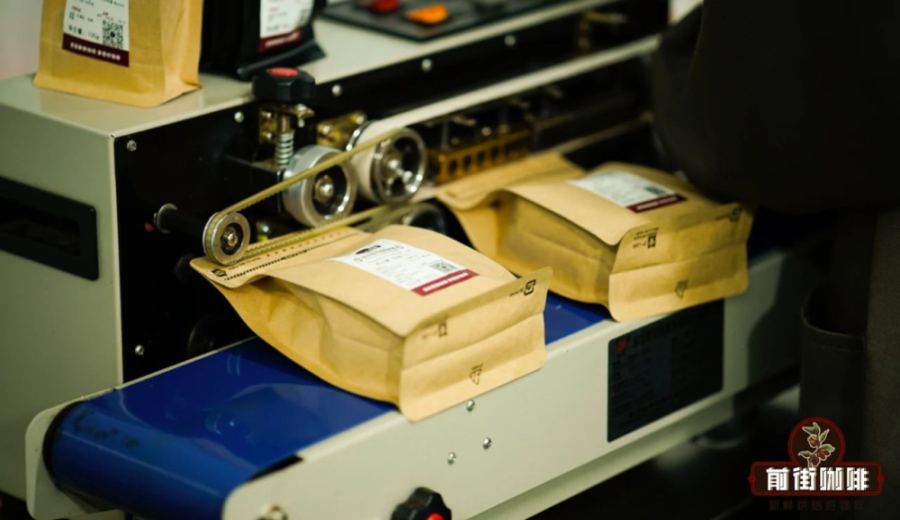
Generally, roasters indicate a recommended shelf life of about one year from the roast date on the packaging. To maintain freshness, roasted coffee is usually packaged using nitrogen-flushed sealing to effectively delay oxidation. However, once opened, the coffee is directly exposed to oxygen in the air, ambient moisture, and external odors, which gradually break it down and alter its flavor.
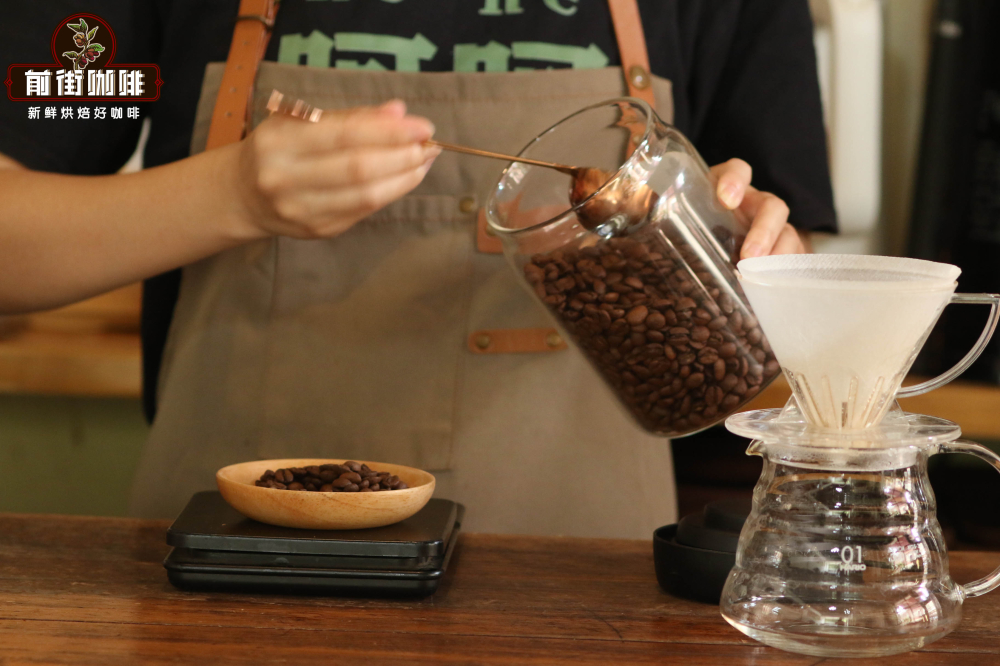
For coffee enthusiasts who pursue the ultimate flavor, “freshness” is always key. If you prefer using whole beans and grind them yourself, it is recommended to grind them as close to brewing time as possible to retain the maximum amount of volatile aromatic compounds. If you find the coffee smells bland or exhibits obvious abnormalities in appearance or aroma, it usually indicates a significant loss of flavor, and it’s advised not to drink it. Additionally, if there are signs of mold or mildew on the surface, it must be discarded immediately to avoid health risks.
So, how can you effectively extend the shelf life of coffee? The key lies in proper storage methods. With appropriate storage, even after the recommended expiration date on the package, the coffee can still maintain a certain level of quality, especially if it remains unopened. To preserve the coffee’s original flavor to the greatest extent, it is recommended to store it in an airtight container, placed in a cool, dark, and completely dry environment—the most critical factor being “no moisture.” Moisture not only alters the taste of the coffee but can also become a breeding ground for mold, having a fatal impact on coffee quality.
However, no matter how you store it, the ideal scenario is to drink it as soon as possible. After all, a freshly brewed cup of coffee delivers the richest layers of flavor and aroma. The longer it is stored, the higher the risk of accelerated deterioration.
Regarding frozen storage, although there are popular online methods suggesting putting coffee in the fridge to extend freshness, this practice actually has clear drawbacks. While freezing can slow oxidation to some extent, coffee beans or grounds are highly prone to absorbing other odors in the refrigerator. Even in low-temperature environments, moisture can still seep in, resulting in a dull and insipid flavor. Especially for specialty coffees with unique aroma profiles such as Blue Mountain, Geisha, or Mandheling, such storage methods can easily strip them of their distinct character, rendering the coffee bland and almost soulless as a premium product. Therefore, we do not recommend long-term storage of coffee in the refrigerator.
But here’s the question: how can you tell if your coffee has gone bad? Since visual changes are usually not obvious, your sense of smell becomes the most reliable tool. Fresh coffee should emit a rich and enticing aroma, while spoiled or overly aged coffee often carries a flat, dusty scent, or even lacks that familiar sweet caramel fragrance. If it smells bland or has off-odors, it likely means its flavor has significantly diminished.
If you accidentally drink expired coffee, there’s no need to worry too much. As long as the coffee is not moldy, it is generally still safe to consume—the only downside is the reduced flavor. However, whether it’s whole beans or ground coffee, once the flavor is lost, it greatly impacts the overall brewing experience.
As for choosing a coffee storage container, if you have limited storage space at home, you might also consider using vacuum-sealed bags or other airtight containers. Vacuum sealing can effectively block the entry of oxygen and moisture, making it one of the practical ways to extend coffee freshness. Proper storage not only preserves the coffee’s original aroma but also allows you to enjoy a flavor profile as close as possible to the day it was roasted with every brew.
The above content is compiled by CoffeeHunters, a coffee news website.


