








Introduction:The Moka pot is one of the most common coffee brewing tools in Italian households, but it remains relatively niche in Taiwan or Hong Kong. This article will guide you from scratch to understand the structure and working principle of the Moka pot, detail the optimal parameters for coffee dosage, water volume, and grind size, and recommend suitable coffee beans based on different flavor preferences. Finally, it provides a step-by-step practical operation tutorial to help beginners get started quickly and allow experienced users to refine their extraction quality.
In Italy, the Moka pot is a coffee tool found in nearly every household. Statistics show that eight out of ten households own at least one Moka pot. However, in places like Taiwan and Hong Kong, many coffee enthusiasts are curious about the Moka pot but may hesitate due to a lack of comprehensive operational guidance. This article will delve into the usage of the Moka pot, covering everything from its basic structure and extraction principles to common issues such as coffee dosage, water control, grind fineness, and suitable types of coffee beans. It also includes detailed step-by-step instructions. Whether you're a beginner who has just purchased one or an advanced user looking to improve your technique, you'll find practical and systematic reference material here.
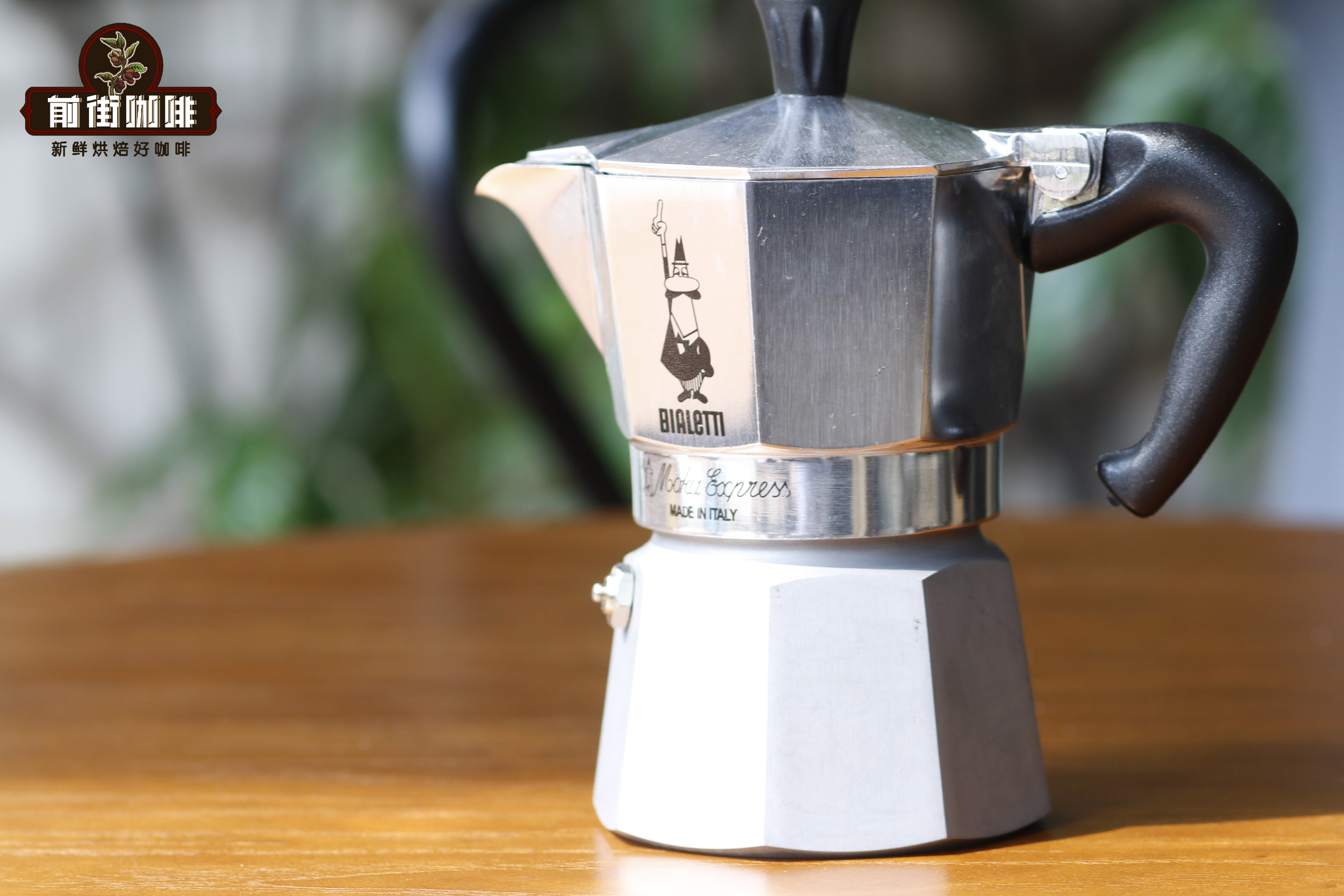
The Moka pot mainly consists of three components: the upper chamber, the filter basket, and the lower chamber. The lower chamber is used to hold water, the filter basket holds the ground coffee, and the upper chamber collects the extracted espresso. Its operating principle is relatively simple: heating the water in the lower chamber turns it into steam. As pressure gradually builds and reaches a certain intensity, the hot water is pushed upward, passing through the layer of coffee grounds in the middle, and finally flows into the upper chamber, resulting in a cup of rich coffee. This process bears some similarity to that of a siphon coffee maker, as both rely on pressure differential to achieve extraction.
Regarding the use of the Moka pot, many people often encounter questions such as: How much coffee powder should be used? How much water should be added? What grind size should be set? Below, we break down these common concerns one by one.
How much coffee powder should be used in a Moka pot?
There are various models of Moka pots on the market, commonly including two-cup, three-cup, and even large-capacity eighteen-cup versions. The capacity of the filter basket varies with the model, so the amount of coffee powder used will also differ. The simplest way is to directly pour coffee beans into the filter basket until they are level with the edge, then grind them. If you prefer more precise operation, you can also fill the filter basket first and weigh it. Based on practical testing using the Bialetti three-cup single-valve Moka pot, it is recommended to use about18 gramsof coffee powder.
How much water should be added? Does water temperature matter?
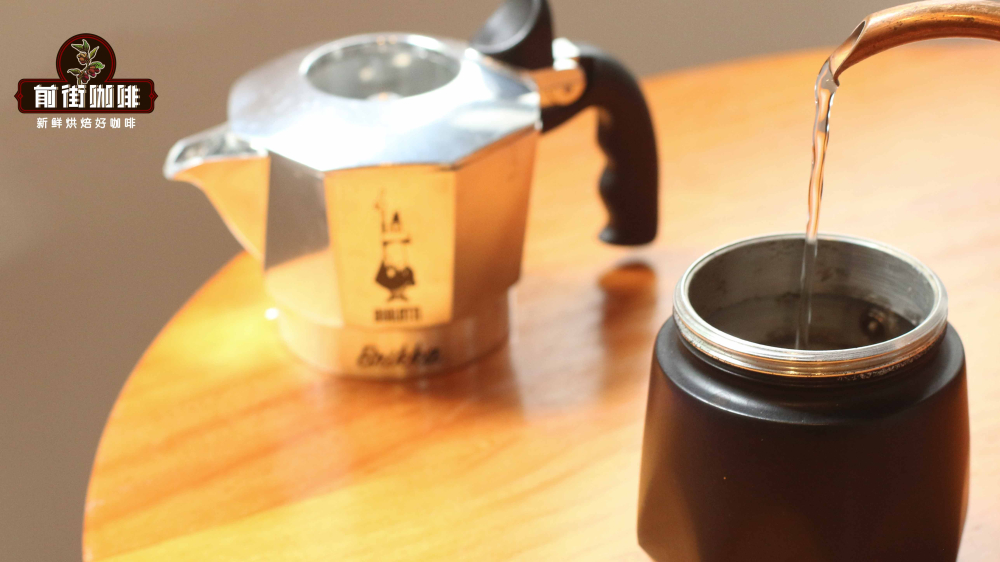
Water volume control is also one of the key factors affecting extraction when using a Moka pot. It is recommended to usewarm waterfor extraction. This not only shortens the heating time, but also prevents the coffee grounds from sticking to the bottom or burning due to excessive heat, while reducing the risk of scalding. Additionally, it is important to ensure that the water level does not exceedapproximately 0.5 cm below the safety valveon the side of the lower chamber. The safety valve is a device designed to prevent danger caused by excessively high pressure. If the water level covers the valve, its pressure relief function may fail, increasing the risk of explosion. Taking the Bialetti three-cup single-valve Moka pot as an example, the recommended water volume is around130 milliliters.
How fine should the coffee grind be?
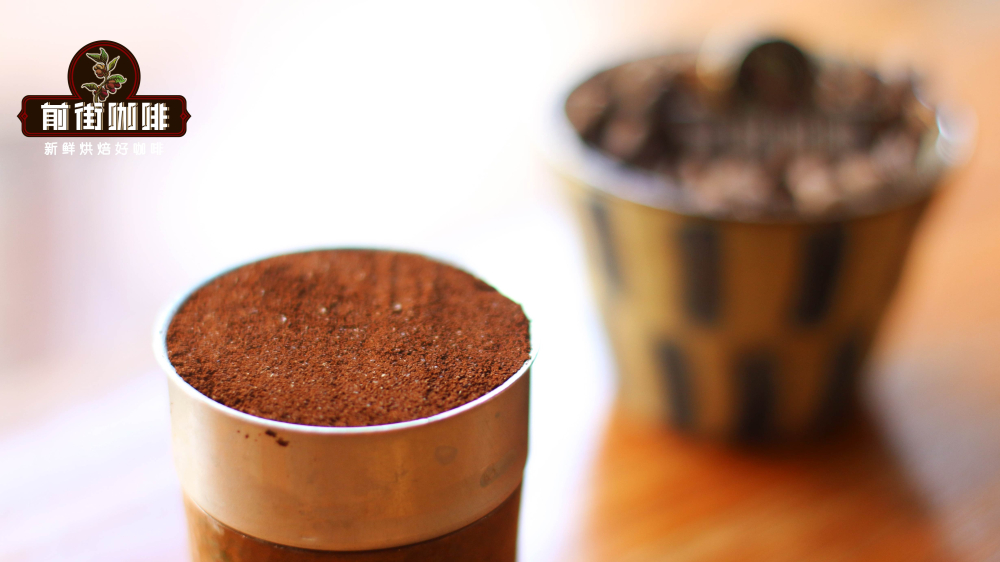
The grind size required for a Moka pot differs from that of a standard espresso machine. Since the pressure in a Moka pot is much lower than the nine bars in an espresso machine, grinding the coffee too finely can impede water flow—not only preventing coffee from flowing through but also potentially causing dangerous pressure buildup. If you notice that the water has boiled but the coffee still hasn’t started flowing, you should stop heating immediately. Conversely, if the grind is too coarse, there will be insufficient resistance, causing the coffee to gush out suddenly, which may lead to splashing or burns. The recommended grind fineness is roughly betweenEK-43s grinder settings #3 to #3.5, with slight adjustments based on individual pot characteristics and heating conditions.
What kind of coffee beans are suitable for a Moka pot?
To fully bring out the rich characteristics of the Moka pot, it is recommended to choosemedium to dark roastedcoffee beans, especially those intended for espresso or specifically formulated for Moka pot use. If you prefer bold black coffee with a rich flavor, you can try medium to dark roasted single-origin beans, such as Brazilian Queen Estate beans, which have distinct roasted peanut and nutty notes. If you occasionally use the Moka pot to make lattes, you may opt for more balanced espresso blends, such as classic or commercial blends, which pair well with milk. For those looking to add fruity and sweet notes, an Espresso blend with strawberry candy flavors is also a great option, offering floral aromas and a syrupy finish.
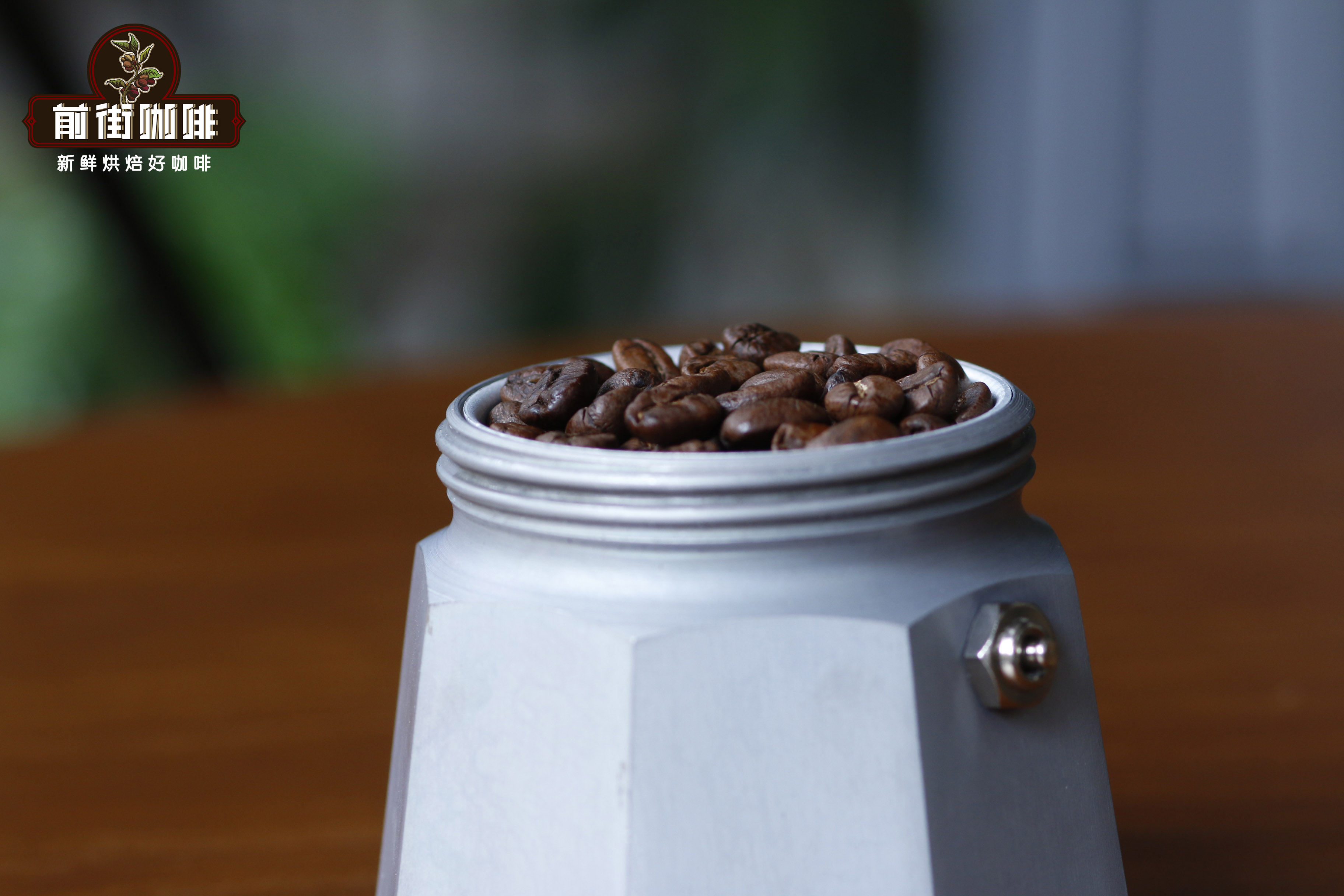
Moka Pot Operation Step-by-Step Tutorial
1. First, pour warm water into the lower chamber, keeping the water level about0.5 cm below the safety valveto enhance extraction efficiency and reduce risk.
2. Add the ground coffee into the filter basket, gently tap to let the coffee settle naturally, then level the surface without pressing it down.
3. Place the filter basket into the lower chamber, then screw the upper chamber on tightly. It’s recommended to use a cloth as insulation to avoid burns during this step.
4. Place the Moka pot on an electric stove or similar heat source, and use medium to high heat to quickly raise the temperature.
5. When you hear a distinct “wuu wuu” sound, it indicates that pressure has built up. At this point, reduce the heat and open the upper chamber lid to observe the flow of coffee and crema.
6. When about half of the coffee has flowed out, turn off the heat and move the pot to a table or heat-safe surface, allowing residual heat to complete the rest of the extraction.
7. Finally, pour the coffee into a cup and enjoy. Please note that the crema produced by a single-valve Moka pot is usually thinner and dissipates more quickly.
It’s worth mentioning that Bialetti’s recently released pressurized version of the Moka pot shows significant improvement in crema performance compared to traditional single-valve models. If you’re aiming for a richer taste and more layered foam, you might consider upgrading your equipment.
The above content is compiled by CoffeeHunters, a coffee news website.


