








Introduction:Cold brew coffee, with its refreshing taste and low acidity, has become a top choice for summer coffee. This article delves into the brewing principles of cold brew, key coffee-to-water ratios, explores its unique flavor profile, and recommends three specialty coffee beans ideal for cold brewing. It also explains the practical advantages of cold brew in terms of caffeine release, acid-base balance, and ease of preparation, offering useful insights for both beginners and advanced enthusiasts.
Thanks to its cool, smooth texture and rich, velvety mouthfeel, cold brew coffee has gained widespread popularity among coffee lovers around the world in recent years. Compared to traditional hot brewing, cold brew involves steeping coffee grounds in cold or room-temperature water for an extended period, then refrigerating the mixture for 8 to 12 hours to slowly extract the flavors. This method better preserves the original aromas of the coffee beans while effectively reducing sourness and bitterness, resulting in a smoother, more rounded, and layered flavor profile.
From an extraction perspective, high temperatures can cause tannic acids in coffee to break down, leading to pronounced acidity and astringency. Research indicates that cold brew coffee contains about 67% less acidic compounds compared to hot brew methods, which is one of the main reasons for its gentler taste. Additionally, the low-temperature environment combined with prolonged steeping allows only smaller molecular weight aromatic compounds—such as fruit acids and floral notes—to be dissolved, while larger molecules responsible for smoky or dark roast flavors are less likely to be released. This contributes to the unique, subtle aroma that defines cold brew.

Although the aroma of cold brew coffee may not be as intense as that of hot brew, it feels exceptionally smooth on the palate, with a full-bodied yet clean taste. Even when using the same coffee beans, cold brew often showcases a flavor character distinctly different from hot brewing, making it better suited for appreciating the nuanced qualities of the beans themselves.
Below are three specialty coffee beans particularly well-suited for cold brew: Natural Red Cherry, Geisha (also known as "Flower Butterfly"), and Sidamo (referred to here as "Xi Zha"). Each of these beans has its own distinctive traits, offering varying aromatic and layered experiences during the cold brew process.
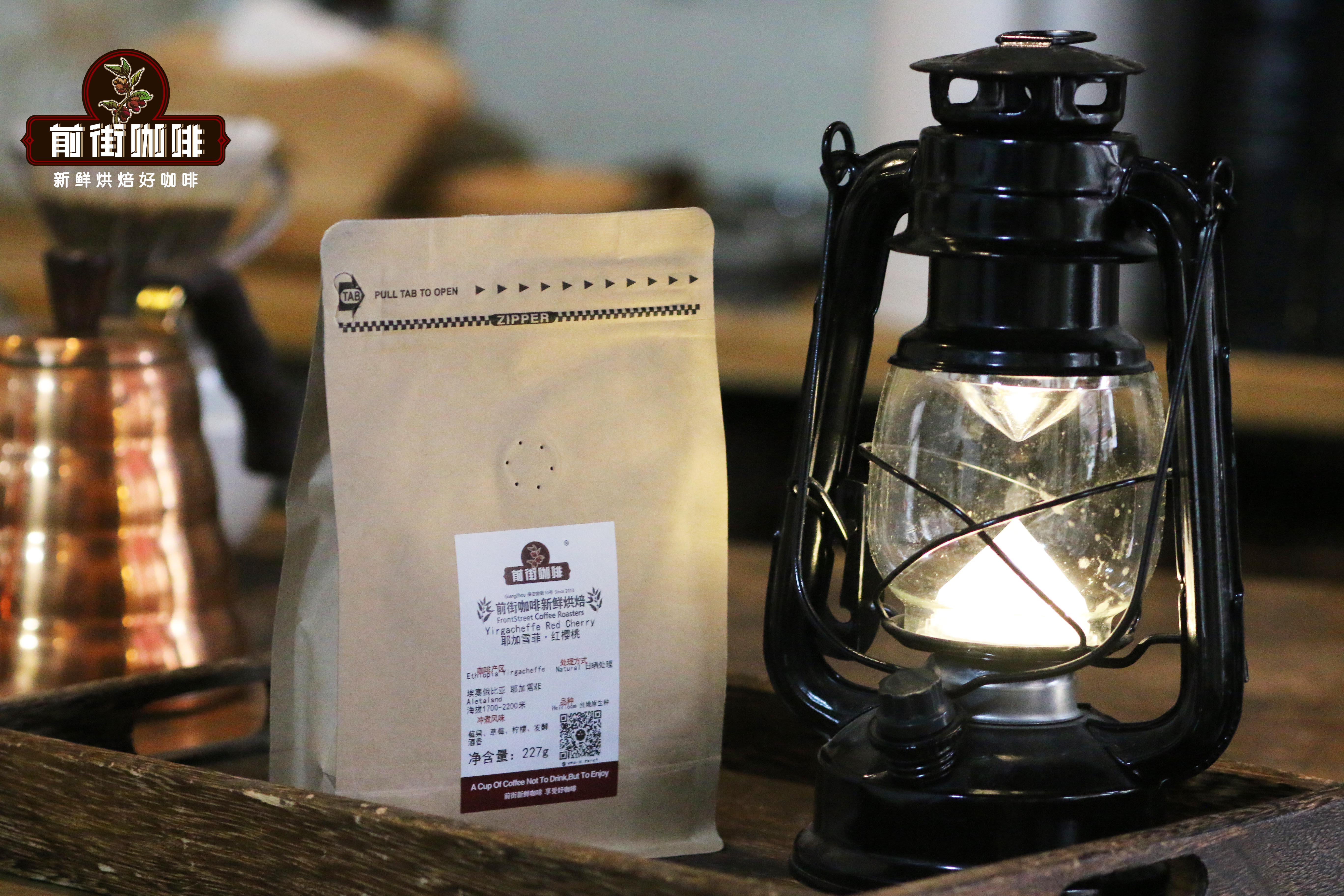
First up isNatural Red Cherryfrom the Yirgacheffe region of Ethiopia, grown at an altitude of approximately 2,300 meters using local heirloom varieties and the natural processing method. The flavor profile of this bean centers around berries, lemon, and strawberries, with a notable fermented wine-like aroma, making it highly appealing to those who enjoy intense fruity notes and wine-like undertones.
Next isFlower Butterflyfrom the Boquete region of Panama, cultivated at around 1,600 meters above sea level. It is a 70% Geisha and 30% Catuai/Caturra hybrid, processed via the washed method. Its flavor highlights include fresh floral notes, citrus tones, nutty aromas, and honey-like sweetness. With a refreshing taste and an elegant tea-like mouthfeel, it is an excellent choice for showcasing intricate layers during cold brew.

Finally, we recommendXi Zhafrom the Finca La Línea in Huila, Colombia. Grown at 1,700 meters and using the Xi Zha variety with a double anaerobic natural processing method, this bean delivers vibrant flavors of passionfruit, grape, dried fruit, apricot, and chocolate. Cold brewing accentuates its rich fruitiness and balanced sweetness, making it perfect for those seeking fruity and sweet profiles.
To make a satisfying cup of cold brew coffee at home, the first essential step is to use freshly roasted coffee beans. It is generally recommended to use beans roasted within five days, grinding them just before brewing whenever possible to preserve optimal aroma and flavor. While commercial grinding services are available, grinding your own beans gives you greater control over grind size and freshness, significantly impacting the final result.
In terms of grind size, it is recommended to grind the coffee beans to a medium-fine consistency, similar to white sugar. This helps effectively release flavors during the long steeping process without over-extracting and causing bitterness. The coffee-to-water ratio is advised to be within1:10 to 1:13, adjustable based on personal taste preferences. Place the ground coffee in a clean, sealable container, add cold water, stir well, and then refrigerate for 8 to 12 hours.
After extraction, thoroughly filter the coffee grounds using paper filters or cloth filters to obtain a clear and smooth cold brew coffee liquid. The filtered coffee is best stored sealed, with an optimal consumption window of within 72 hours after brewing. If longer storage is needed, it should not exceed five days to maintain the highest flavor quality.
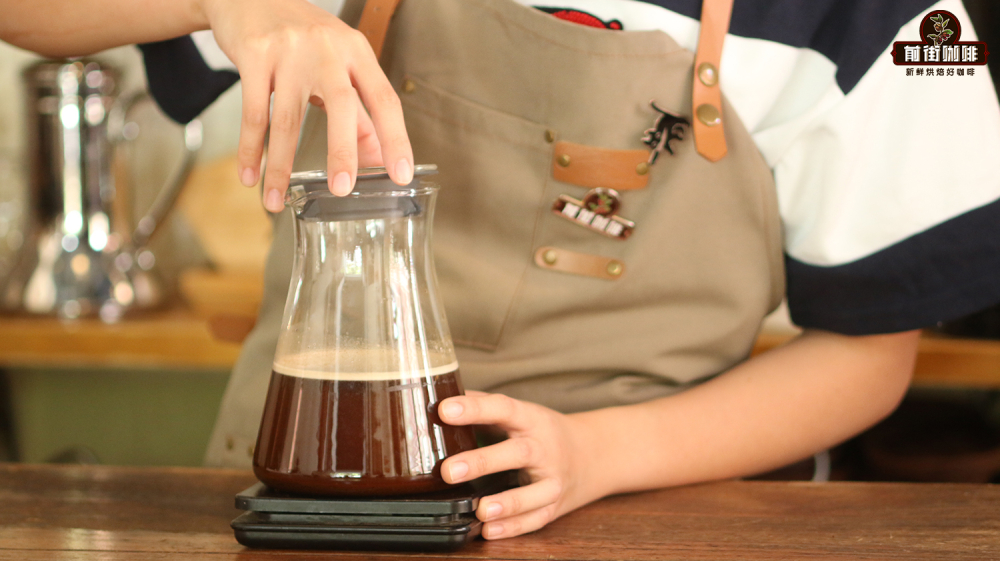
Aside from its delightful flavor, cold brew coffee offers several practical advantages. First, due to its long brewing time and low temperature, it extracts a higher proportion of caffeine, often resulting in a more noticeable energizing effect compared to hot brew, making it especially suitable for situations requiring prolonged concentration.
Second, cold brew coffee has a relatively higher pH level, being weakly acidic or close to neutral. Compared to hot brew coffee, it contains significantly lower levels of acidic compounds. For individuals with acid reflux or sensitive stomachs, cold brew is usually less likely to cause discomfort, making it a gentler option.
Lastly, the cold brew process is relatively simple, requiring no complex equipment or precise parameter control. With just a cold brew maker and a refrigerator—alternatively, even a regular glass bottle or large container will do—you can easily make it at home. The low-temperature steeping method results in high fault tolerance, making it difficult to ruin the final product due to operational errors. It is a very beginner-friendly and convenient brewing method, especially suitable for busy urban dwellers.
The above content is compiled by CoffeeHunters, a coffee news website.


