







Introduction:Sensitive to caffeine but can’t bear to give up coffee’s flavors? This article takes an in-depth look at the key differences between decaf and regular coffee in terms of composition, processing methods, and taste. It explains the principles behind mainstream decaffeination techniques such as the Swiss Water Process, and uses a Colombian low-caffeine bean as an example to provide practical pour-over parameters and flavor guidance, helping you find the right low-caffeine option for you.
Coffee has become a daily staple for many, but for those sensitive to caffeine, it can be the culprit behind sleepless nights. Low-caffeine coffee (decaf) becomes an ideal alternative for this group. This article will explore the significant differences between low-caffeine and regular coffee in terms of caffeine content and flavor presentation, thoroughly analyze the workings and processes of three major decaffeination methods including the Swiss Water Process, and take a low-caffeine coffee from Colombia processed with the Swiss Water method as an example to introduce its bean composition, flavor profile, and recommended pour-over parameters, giving you a comprehensive understanding of what low-caffeine coffee is really like.
Coffee is not only one of the world’s three major beverages but also deeply integrated into modern life. Some drink it for a boost, some are drawn to its flavors, and others see it as a daily ritual. However, for those who want to enjoy coffee but are concerned about its impact on sleep, low-caffeine coffee offers new possibilities. The energizing effect of coffee mainly comes from caffeine (chemical formula C8H10N4O2), a xanthine alkaloid that stimulates the central nervous system and temporarily wards off drowsiness, but excessive intake may lead to side effects such as palpitations or insomnia.
Low-caffeine coffee removes the vast majority of caffeine through chemical solvents or other techniques, with residual amounts usually around just 3%, which is barely noticeable to most people. The term "low-caffeine," or "decaf," is short for decaffeinated coffee. It’s important to note that it is not completely caffeine-free, and standards vary slightly by country: the U.S. FDA requires a decaffeination rate of at least 97%, while the EU is stricter, demanding 99.9%. In practice, a cup of decaf espresso may still contain 0–7 milligrams of caffeine, but the impact on most people is minimal.
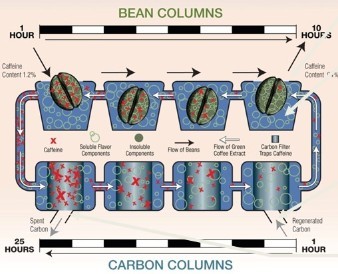
The history of low-caffeine coffee dates back to 1903 when a German named Ludwig Roselius invented the first commercial decaffeination method and patented it in 1906. However, because this method used benzene as a solvent, it is now rarely seen. Modern decaffeination techniques mainly fall into three categories: the Swiss Water Process, direct solvent processing, and supercritical carbon dioxide extraction. Among these, the Swiss Water Process (SWP) is the most widely adopted. This process focuses on the green bean stage (before roasting), with the challenge being to remove caffeine while preserving as much as possible other key flavor compounds such as sugars, cellulose, proteins, citric acid, and fruit acids.
The steps of the Swiss Water Process are as follows: first, the green beans are soaked in “flavor-charged water” (hot water saturated with the beans’ original flavor compounds but without caffeine). Then, the caffeine is filtered out of the water, leaving behind flavor-rich water, which is then reused to soak the beans again. This allows the beans to reabsorb their original flavors without retaining high levels of caffeine. It’s worth noting that while the decaffeination process significantly reduces caffeine content, it may still slightly affect the overall flavor profile of the coffee.
The low-caffeine coffee selected for this article comes from Colombia and is processed using the Swiss Water method. Colombia, located in the northwest of South America, enjoys a tropical rainforest climate with multiple harvest seasons throughout the year, contributing to a diverse range of coffee flavors. The country’s coffee is known for its rich aroma, bright acidity, and high balance, often with nutty notes and a long finish, earning widespread praise for its quality. The Colombian low-caffeine beans are a blend of three classic varieties: Typica, Caturra, and Castillo. Typica is one of the oldest Arabica varieties, known for its sweet flavor but lower yield; Caturra is a natural mutation of Bourbon, adaptable and capable of thriving under high-density planting; Castillo is a hybrid bred from Colombia and Caturra, which in recent years has increasingly demonstrated refined and elegant flavor potential.
The core difference between low-caffeine and regular coffee lies in caffeine content: the former contains only trace amounts (no more than 5 milligrams per cup), while the latter typically contains 50–200 milligrams. Beyond caffeine, there are also subtle differences in flavor—although modern techniques can retain most of the flavor, some consumers find that low-caffeine coffee tastes blander, which is often related to the choice of bean variety. If the raw material for low-caffeine coffee is a naturally less flavorful Robusta bean, the result after decaffeination is naturally less impressive; on the other hand, if high-quality Arabica beans (like Colombian beans) are used, even after decaffeination, they can still deliver a satisfying flavor complexity.
To brew a delicious cup of low-caffeine coffee, the freshness of the beans is key. It’s recommended to choose beans roasted within 5 days and to let them rest for 4–7 days after arrival to reach their optimal flavor window. If purchasing coffee powder, since oxidation accelerates after grinding, it’s best to brew it as soon as possible; for the best flavor experience, it’s recommended to buy whole beans and grind them fresh before brewing.
Recommended pour-over parameters for low-caffeine coffee are as follows: use a KONO filter, water temperature at 88°C, coffee-to-water ratio of 1:15 (15 grams of coffee grounds to 225 milliliters of water), and grind size at 75% through a #20 sieve. Use a three-stage extraction method: first, pour 2 times the amount of coffee grounds’ weight in water (30 grams) and let it bloom for 30 seconds to release carbon dioxide and stabilize subsequent extraction; then pour water in small circles to reach 125 grams for the first pour, continue pouring to 225 grams, then stop and let the filter drip until completion, with a total extraction time of about 2 minutes. Finally, swirl the coffee liquid and pour it into your cup to enjoy.
This Colombian Swiss Water processed low-caffeine coffee, once brewed, presents a flavor profile of dark chocolate, caramel, and nuts, with a rich and full-bodied mouthfeel. Although both low-caffeine and regular coffee contain antioxidants, the low-caffeine version doesn’t affect sleep, making it an ideal choice for many caffeine-sensitive individuals. No matter which type you choose, it’s recommended to consume in moderation to maintain a healthy balance.
The above content is compiled by CoffeeHunters, a coffee news website.


