







Introduction:Behind a great cup of coffee lies not just the quality of the beans, but also many easily overlooked details. From the cleanliness of your brewing equipment, to the storage and grinding of the coffee beans, as well as the mastery of water quality, temperature, and timing — all these factors significantly impact the final flavor of your brew. This article will delve into these six core elements, offering practical tips and parameter suggestions to help you refine every cup and enjoy a purer coffee experience.
A memorable cup of coffee depends not only on the beans themselves, but also on many easily overlooked details. From whether your brewing tools are clean, to the condition in which your coffee beans are stored, along with grind size, water quality, and temperature control — all these aspects directly affect the aroma, acidity-sweetness balance, and overall complexity of your coffee. Below, we’ll take an in-depth look at the six core factors that influence coffee quality, so you can master practical tips to elevate flavor.
First and foremost, the cleanliness of your brewing equipment is the first checkpoint that affects coffee flavor. If residues such as coffee oils, coffee grounds, or other impurities are left on your equipment, they can produce burnt, bitter, or rancid tastes, and will also compromise the purity of every subsequent cup. Just as you wouldn’t cook rice in a dirty pot, keeping your brewing gear clean is fundamental to making good coffee. Be sure to thoroughly clean it after each use to avoid any residue affecting the flavor.
Next, the freshness of your coffee beans is one of the key determinants of flavor performance. Once roasted, coffee beans gradually oxidize over time, losing their original aroma and sweetness. Generally speaking, whole unground coffee beans can be stored for about two weeks, but once ground, their flavor deteriorates rapidly — often becoming noticeably stale in less than an hour. Therefore, it’s recommended to grind your beans right before brewing, and using a flat burr grinder is advisable, as it produces more uniform particles, aiding in stable extraction and preserving more delicate aromas.
Grind size is also a crucial factor influencing extraction efficiency. Different brewing methods require different grind levels. For instance, methods with short extraction times like espresso or AeroPress benefit from an extra fine grind to facilitate quick flavor release; whereas longer immersion methods like French press or cold brew suit a coarser grind to avoid over-extraction and bitterness. Moreover, a consistent grind helps improve extraction uniformity, resulting in a more balanced and layered cup every time.
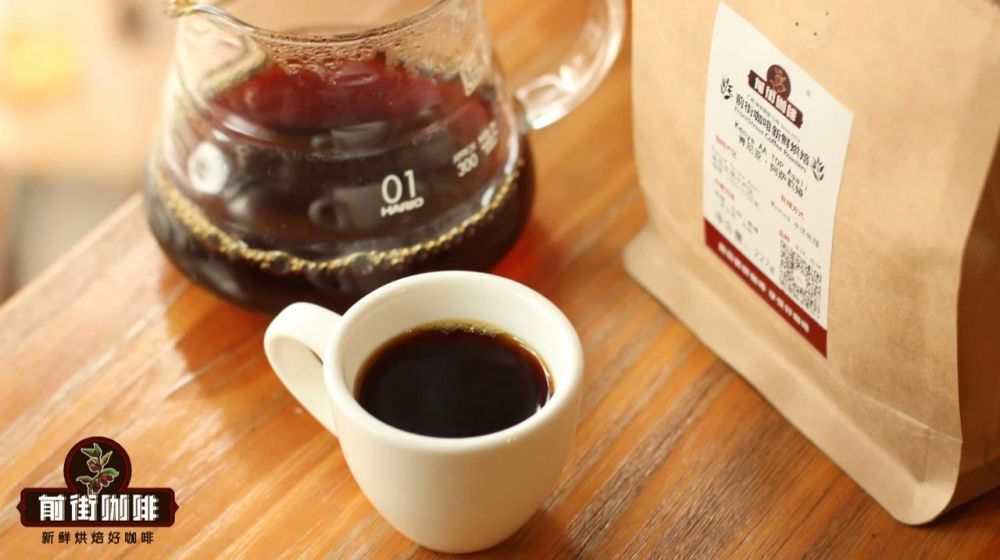
The flavor of coffee changes rapidly after brewing, so it’s best to drink it immediately after preparation to enjoy the optimal aroma and taste. Experts recommend consuming brewed coffee within 30 minutes. If you need to store it temporarily, a hot-seal glass bottle is suggested, but even then, try not to exceed 60 minutes. Keeping coffee warm for too long not only causes aroma loss, but also reduces acidity and sweetness, resulting in a dull, heavy mouthfeel — and even over-extracted bitterness.
Water quality is one of the biggest variables affecting coffee flavor, as water makes up over 98% of the brew. Ideal brewing water should be neutral, odorless, clear, and free of impurities, with a total dissolved solids (TDS) level ideally between 50ppm and 100ppm. Additionally, the pH of the water should be between 6.5 and 7.5 to avoid overly acidic or alkaline conditions that could negatively impact extraction. The water should also be free from iron or other metal ions that might introduce off-flavors or cause sediment.
Water temperature is equally critical to successful extraction. It’s recommended to brew with hot water between 92°C and 96°C. This temperature range effectively extracts the aromatic compounds, sweetness, and acidity from the coffee. If the water is too cool, under-extraction can occur, resulting in a weak and flat-tasting cup lacking complexity. Conversely, water that’s too hot may scorch the coffee grounds, releasing excessive bitter substances and making the coffee sharp and unpleasant to drink.
Finally, the ratio of water to coffee grounds is extremely important. For drip-style coffee, it’s recommended to use 3.25 to 4.25 ounces (approximately 92 to 120 grams) of coffee grounds with 64 ounces (about 1860 milliliters) of water. This “golden ratio” extracts about 18% to 22% of the soluble substances from the coffee, achieving the best flavor balance with a concentration between 1150 and 1350 TDS — resulting in a rich and well-layered cup.
The above content is compiled by CoffeeHunters, a coffee news website.


