








Introduction:Cold brew coffee, with its low acidity and smooth taste, has become the go-to summer choice for many coffee enthusiasts. But do you know how it differs from regular iced coffee? This article delves into the definition of cold brew, its extraction principles, suitable coffee beans and grind sizes, and explains how prolonged low-temperature steeping brings out unique flavors. It also debunks common misconceptions and teaches you how to easily brew a rich and smooth cold brew at home.
In recent years, cold brew coffee has become a daily choice for many coffee lovers—not only because it’s easy to make, but also due to its uniquely beloved flavor profile. But what exactly is cold brew coffee? Is it just chilled coffee? In fact, cold brew is an extraction method that involves steeping ground coffee in cold water for an extended period, usually 8 to 12 hours, and is typically done at temperatures below 5°C. It extracts flavors by extending the brewing time rather than relying on high heat for rapid extraction.
The most distinctive feature of this brewing technique is its ability to significantly reduce the acidity of the coffee while enhancing sweetness and overall smoothness. Compared to traditional hot water extraction, cold brew releases fewer bitter and astringent compounds, resulting in a final cup that is generally softer, more refined, and naturally sweet.Cold brew coffee isn’t only for cold consumption. Although the name includes the word “cold,” it is actually an extraction method, not a specific way of drinking. You can choose to enjoy it chilled or warmed up according to your personal taste.

Many people mistakenly assume that any iced coffee can be called cold brew, but that’s not the case. Cold brew coffee has a clear definition: it is made by steeping ground coffee in cold water (usually below 5°C) for 8 to 12 hours, and then filtering out the coffee grounds. This method does not require high pressure or high temperature—just time and patience, and can be easily done at home. Some also refer to it as cold steeped or cold brewed coffee, but they all describe the same technique, with the key point being “low-temperature, long-duration extraction.”
The flavor profile of cold brew coffee often differs greatly from that of hot water-extracted coffee. Using the same coffee beans, cold brew typically exhibits gentler acidity, richer sweetness, and a smoother mouthfeel. The bitterness is noticeably reduced, resulting in a more rounded overall flavor, and some delicate fruity or floral notes may appear in a more subdued manner. If you prefer a low-intensity, smooth, and layered coffee experience, cold brew is an excellent choice.
So, how should you grind coffee beans to make cold brew? Because the extraction time for cold brew is long, overly fine grinds can lead to over-extraction, producing unwanted off-flavors or sediment. Therefore, it is recommended to usea medium-coarse grind similar to superfine sugar. If referencing the Chinese No. 20 standard sieve, an 80% filtration rate is ideal. If you’re grinding your own beans, you can adjust based on this standard; if you’re buying beans from a café, don’t forget to inform the staff beforehand that you’re making cold brew so they can adjust the grind size accordingly.
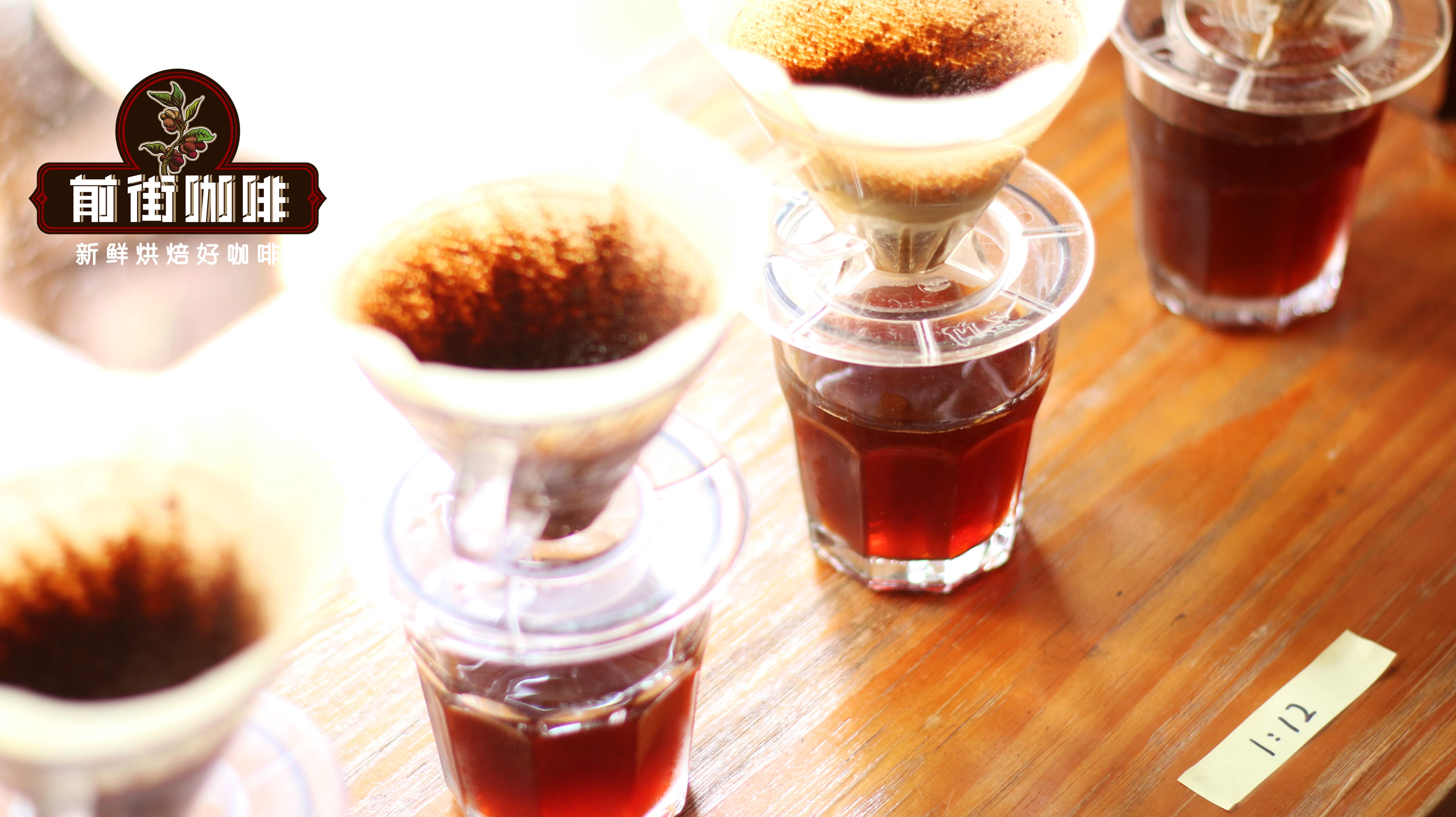
As for coffee bean selection, cold brew is actually quite forgiving in terms of bean variety and roast level, but there are still some recommended directions. If you prefer a cold brew with prominent fruity notes and a sweet-acidic balance, you can choose beans with distinct berry or citrus flavors—these beans can still showcase delicate acidity and layers under low-temperature extraction. If you prefer a more balanced and stable flavor profile, medium to medium-dark roasted blends are a good option, offering a mix of acidity, sweetness, bitterness, and body that suits most palates. For those who enjoy bold and rich flavors, dark roasted beans such as Mandheling or Golden Mandheling are also excellent choices for cold brew, delivering deep chocolate and nutty notes.
In summary, cold brew coffee is a brewing method well-suited for summer or for those who prefer low-acidity flavors. It not only highlights the subtle characteristics of the coffee beans themselves but also brings out unique textures different from hot-brewed coffee through prolonged steeping. As long as you get the grind size, water temperature, and time right, you can easily make a full-flavored, smooth cold brew at home. Whether enjoyed chilled or slightly warmed, it offers a uniquely refreshing coffee experience.
The above content is compiled by CoffeeHunters, a coffee news website.


