








Introduction:Selecting high-quality coffee beans is key to enjoying a great cup of coffee. This article highlights five globally representative coffee regions — Jamaica Blue Mountain, Kenya, Sumatra (Indonesia), Panama Geisha, and Ethiopia Yirgacheffe — detailing each region’s unique characteristics through its growing environment, processing methods, and flavor profiles. Practical buying tips are also provided to help you more easily find your ideal coffee beans.
To enjoy a truly memorable cup of coffee, the first step is choosing the right beans. Faced with the wide variety of origins and varieties on the market, many coffee enthusiasts often feel overwhelmed and unsure where to start. This article will take you deep into the world of five globally iconic coffee regions — including Jamaica Blue Mountain, Kenya, Sumatra (Indonesia), Panama Geisha, and Ethiopia Yirgacheffe — not only analyzing their high-altitude cultivation conditions, distinctive processing techniques, and bold flavors, but also thoughtfully summarizing buying pointers to help you find the one that suits your palate best among so many options.
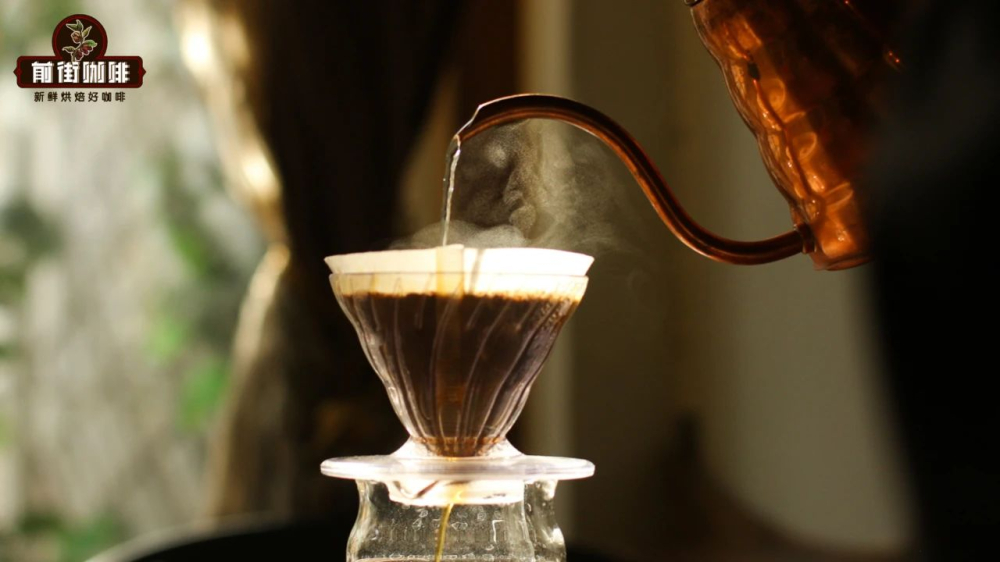
The birth of a good cup of coffee begins with freshly roasted, well-brewed beans. So, where do these uniquely flavored beans mainly come from? And what kind of personalities do they each display? Next, we’ll focus on five world-renowned coffee regions and guide you through their charm one by one.
Jamaica Blue Mountain coffee is world-renowned for its rarity and high quality. The region doesn’t produce large quantities of coffee, and not all of it comes from the Blue Mountain area itself, but when it does, the beans typically grow on extremely high-altitude slopes. It’s worth mentioning that the annual production of Blue Mountain coffee is quite limited, with over 80% exported to Japan. The harvesting process is entirely manual, with beans picked one by one from steep mountain slopes. Coupled with high altitude, cool climate, and fertile volcanic soil, the harvest season can last nearly ten months — far longer than most coffee-growing regions. The resulting coffee has a rich, balanced flavor with moderate acidity, a gentle sweetness in the aftertaste, and an exceptional smoothness that many coffee connoisseurs regard as the “ultimate.”
Kenya coffee has consistently ranked among the world’s top coffees, and its excellent performance is inseparable from the local farmers’ dedication to quality. In Kenya, the washing and processing procedures for coffee beans are particularly rigorous, with farmers putting in far more effort than in many other regions. Locally, coffee is sold through a government-led auction system, where higher-quality beans often fetch better prices — a mechanism that greatly motivates farmers to continuously improve their planting and processing standards. In terms of grading, 'AA' is the largest bean size and the highest in quality, followed by 'AB.' When shopping, prioritizing 'AA' is a safe bet. Kenya coffee typically features bright acidity, multi-layered fruit notes, and a syrupy, full body, with outstanding clarity — tasting almost like a fruit-forward wine.
When it comes to Sumatra (Indonesia), Mandheling coffee cannot be overlooked. The name of this region originates from the Mandailing ethnic group, who were among the earliest to cultivate coffee there. The most distinctive feature of Sumatran coffee is its low acidity, prominent sweetness, and smooth, velvety mouthfeel, with complex and varied flavor layers often including cocoa, tobacco, earthiness, and even herbal notes. Many people prefer to roast Sumatran coffee dark to further bring out its sweet richness and slight spiciness. The region commonly uses a wet-hulled mixed processing method, which greatly influences the final flavor. Coffee from this area is especially well-suited for extraction using a moka pot , which can fully showcase its intense characteristics. Notably, Mandheling coffee is somewhat polarizing — those who love it are enchanted by its unique blend of caramel, dark chocolate, spice, and pine aromas, along with its thick body and long aftertaste; while those unaccustomed to it may find its distinct personality harder to appreciate.
Panama Geisha coffee beans are undoubtedly one of today’s star varieties in the coffee world. Although theoretically Geisha can be grown in many places, it performs exceptionally well in Panama and Costa Rica, with the most famous plantation being Hacienda La Esmeralda. The Geisha variety was originally discovered near the town of Gesha in Ethiopia, and wasn’t introduced to Panama until the 1960s. What makes Geisha so unique? The answer lies in Panama’s exceptional terroir, which gives Geisha coffee a tea-like light body while containing a wealth of bright and vibrant flavor elements such as citrus, mango, peach, and jasmine. Some batches can even reveal subtle notes of bergamot or vanilla. These qualities have made Geisha a favorite among pour-over enthusiasts and a frequent winner in international competitions.
Finally, we must mention the “holy land” of the coffee world — Ethiopia Yirgacheffe. As one of the birthplaces of coffee, Ethiopia has given rise to countless classic varieties, and Yirgacheffe stands out among them. This region is located within the Sidama zone and is further divided into micro-regions such as Adado, Aricha, Kochere, and Konga. Yirgacheffe coffee is mostly processed using traditional washed methods, resulting in a tea-like light mouthfeel paired with complex and varied fruit and floral notes that are layered and refreshing. Walk into any specialty coffee shop, and you’re almost certain to find beans from Yirgacheffe. Its combination of approachability and depth of flavor makes it a popular entry point for many into the world of specialty coffee.
The above content is compiled by CoffeeHunters, a coffee news website.


