







Introduction:Arabica and Robusta are the two most prominent species in the coffee world, dominating the specialty and mass markets respectively. Understanding their fundamental differences in flavor, origin, and disease resistance can help you choose the coffee beans that best suit your brewing method and taste preferences. This article delves into the characteristics of both and offers practical buying advice to deepen your appreciation of every cup of coffee in your hand.
Although the global coffee market is diverse, only two main species truly support mainstream consumption—Arabica and Robusta. The former leads the specialty coffee scene with its delicate and varied flavors, while the latter holds a solid position in instant and commercial blends thanks to its hardy nature and high caffeine content. If you want to truly grasp the essence of coffee, understanding the difference between these two is key to getting started.
Arabica accounts for about 80% of global coffee production and originates from Ethiopia. It is generally grown at high altitudes ranging from 1,000 to 2,300 meters, which falls within the classic range of what’s known as the “coffee belt.” This region typically features mineral-rich volcanic soil, moderate rainfall patterns, and ample sunlight, providing ideal growing conditions for Arabica.
However, Arabica is extremely sensitive to environmental changes and pests, particularly vulnerable to coffee leaf rust. Once infected, leaves develop orange-red spots, severely impairing photosynthesis and eventually causing leaf drop or even plant death. In addition, the coffee berry borer also prefers to attack Arabica cherries, leading to irreversible quality damage. Therefore, cultivating Arabica not only requires suitable geographical conditions but also relies on strict management and protective measures.
Yet, these challenges result in richer and more nuanced flavor profiles. Arabica often exhibits a wide array of aromatic notes such as floral, fruity, citrus, honey, cream, and caramel. Its acidity is bright, the mouthfeel is refreshing, and the overall flavor profile is more elegant. Depending on the origin and processing method, its expression can range from sweet and mild to rich and bold, making it suitable for various brewing methods, especially pour over and drip.
If you prefer pronounced fruitiness, you might opt for selections with bright, tangy acidity; if you favor a balance of acidity and bitterness or a fuller body, there are options roasted to corresponding levels. Different roast depths can highlight different potentials of the beans—for example, medium to dark roasts often bring out caramel and nutty tones, catering to drinkers who enjoy stronger flavors.
In contrast, Robusta originates from West Africa and is typically grown at lower altitudes in hotter climates, such as Southeast Asia and parts of Africa. The flavor of this type of coffee has long been considered stronger, not because the variety itself is inferior, but due to the combined effects of growing conditions and processing methods. Robusta contains almost twice the caffeine of Arabica, which not only boosts its resistance to pests and diseases but also positions it in the market as a cost-effective, commercial-grade option.
Robusta beans are smaller and rounder in shape, and they tend to produce rich Crema (the coffee’s creamy foam layer) during extraction, making them a common component in espresso blends. In the specialty coffee field, some carefully processed, high-quality Robusta can even showcase deep flavors reminiscent of nuts and chocolate. However, it’s worth noting that improper harvesting and processing can often result in noticeable woody, rubbery, or burnt-bitter notes—a major reason many consumers have a poor impression of it.
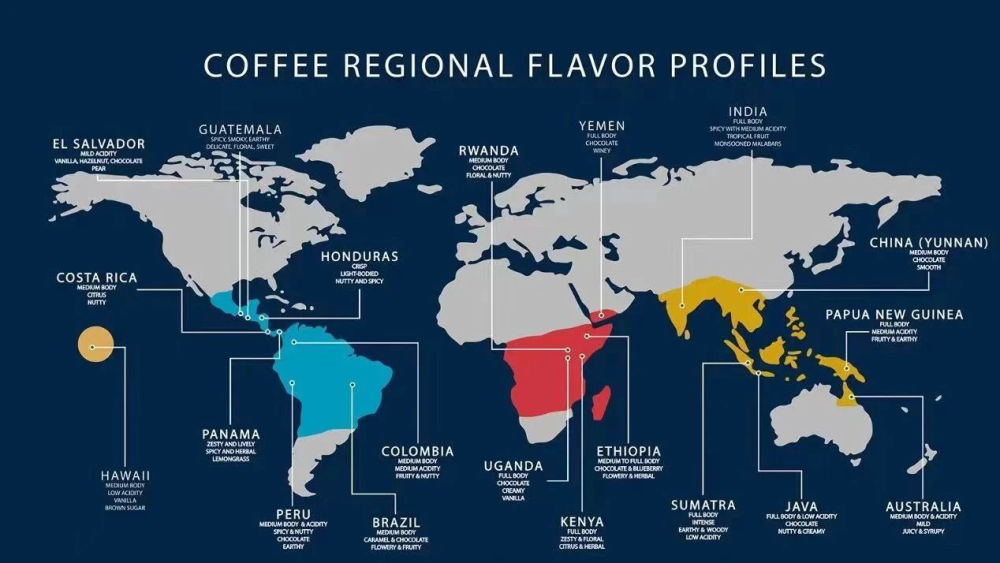
In fact, whether Robusta can deliver high-quality flavors depends largely on cultivation and processing techniques. In recent years, a small number of producers have invested in developing specialty-grade Robusta. Through meticulous processes such as hand-picking, double washing, and raised-bed drying, they have successfully elevated its flavor complexity. For instance, some farms, through high-standard control procedures, have produced Robusta with finesse close to that of Arabica, along with intense walnut and chocolate aromas—proving that this variety is not confined to the low-end market.
Returning to consumer choices, if you’re just starting with pour over or prefer bright, refreshing floral and fruity notes, Arabica is undoubtedly the better starting point. On the other hand, if you frequently drink espresso or need a caffeine boost for energy, blends containing Robusta may better meet your needs. For shop owners or those who blend coffee regularly, understanding the characteristics of both can help you strike the best balance between stable flavor and cost.
In summary, Arabica and Robusta are not defined by a single standard of superiority or inferiority but are distinct coffee varieties suited to different scenarios. Whether you’re an enthusiast pursuing flavor intricacies or a daily drinker focused on value, understanding their differences allows you to choose the perfect cup based on your own preferences.
The above content is compiled by CoffeeHunters, a coffee news website.


