







Introduction:Many people love the aroma of coffee but are sensitive to its caffeine content, which can easily lead to discomforts such as palpitations or insomnia. Decaf coffee offers a solution, though it doesn’t mean it’s entirely caffeine-free. This article delves into the processing techniques of decaf coffee, the definition of internationally standardised caffeine levels, and compares its flavour differences with regular coffee. It also recommends a Colombian Huila decaf bean processed using the Swiss Water Method, allowing you to enjoy a rich taste while significantly reducing your caffeine intake.
The allure of coffee lies in its rich aromas and layered complexity, but for some, it may also bring issues like palpitations, insomnia, or stomach discomfort. For those sensitive to caffeine, decaf coffee becomes an alternative choice. But what exactly is decaf coffee? How low can its caffeine content go? And how does its taste differ from regular coffee? Let’s explore the mysteries of decaf coffee.
First, we need to understand caffeine. As a naturally occurring plant alkaloid found in coffee beans, caffeine is one of the most widely consumed central nervous system stimulants in the world. It’s commonly used to boost alertness and has specific applications in the medical field. However, due to individual genetic makeup, each person’s ability to metabolise and sensitivity to caffeine varies, resulting in different reactions after consumption. Moreover, excessive caffeine intake can lead to adverse effects, and it’s generally recommended that adults consume no more than 400 milligrams of caffeine per day—approximately equivalent to four standard cups of coffee.
So, what exactly is decaf coffee? As the name suggests, it’s not completely devoid of caffeine, but rather the caffeine content is controlled within a lower, standardised range. Decaf coffee (short for decaffeinated coffee) involves extracting caffeine from green beans using specific techniques before they enter the roasting stage, and then proceeding with the subsequent brewing process. According to USDA regulations, decaffeinated coffee beans must have their caffeine content reduced to below 3% of the original level. For example, a 12-ounce (approximately 354 ml) cup of regular coffee may contain about 180 milligrams of caffeine, whereas the same-sized cup of decaf coffee would contain only around 5.4 milligrams of caffeine.
It’s important to note that although the caffeine content is significantly reduced, it’s still not advisable to drink it excessively without restraint. Factors such as the coffee bean variety and brewing method can all affect the final caffeine intake. For instance, Robusta beans naturally contain much higher levels of caffeine than Arabica beans, so even after decaffeination, their residual caffeine proportion may remain relatively high.
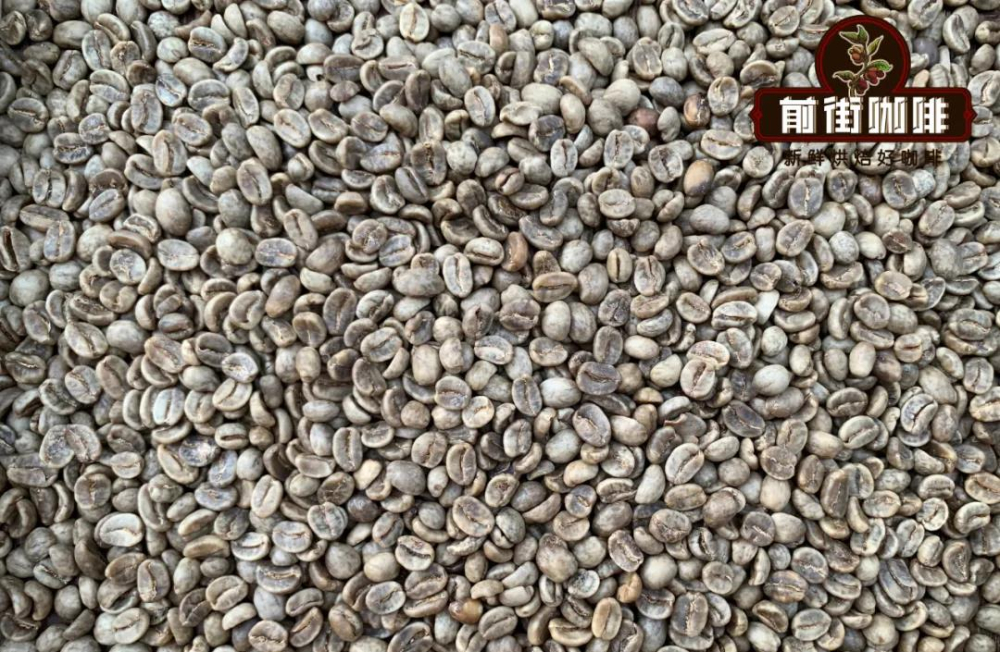
For consumers seeking decaf coffee, it’s recommended to try Colombian Huila decaf beans processed using the Swiss Water Method. These beans come from Colombia’s Huila region, grown at elevations as high as 1,750 metres—an area known for high-altitude quality production, which helps the beans develop richer flavour profiles.
This decaf coffee bean variety includes Typica, Caturra, and Castillo, all carefully selected and processed. Using the Swiss Water Process, it not only effectively removes most of the caffeine but also preserves the original aroma and taste of the coffee as much as possible. In terms of flavour, it exhibits distinct notes of dark chocolate, caramel, and nuts, with a full-bodied and smooth mouthfeel. It’s ideal for coffee lovers who prefer medium to dark roasts, seek a rich taste, yet are sensitive to caffeine.
Overall, decaf coffee provides a great option for those who want to enjoy the pleasure of coffee while being sensitive to caffeine. By understanding its processing methods, international standards, and actual flavour profiles, you can choose the right decaf coffee beans with more confidence, ensuring each cup is both reassuring and delicious.
The above content is compiled by CoffeeHunters, a coffee news website.


