








Introduction:Have you ever taken a sip of coffee and caught a whiff of an intense, savory aroma reminiscent of "soy sauce" or "fermented black beans"? This unique flavor often puzzles first-time tasters. This article will delve into the reasons behind the soy-sauce-like taste in coffee, including differences in processing methods, fermentation levels, and brewing parameter settings. It will also offer tips on how to identify and adjust these flavors, helping you better understand the mysteries of coffee flavor.
"Why does this cup of coffee smell a bit like soy sauce?" This is a question many coffee newcomers—or even seasoned enthusiasts—might ask when tasting certain brews. In fact, besides "soy sauce," some describe this flavor as resembling "miso," "fermented black beans," or even savory, rich foods like "five-nut mooncakes." Though these descriptions may sound unusual, they all point to the same phenomenon: a pronounced savory note in the coffee.

What exactly causes coffee to develop this soy-sauce-like flavor? The answer lies closely with the coffee’s "processing method." As we know, before coffee beans become the familiar green beans we know, they undergo a series of processing steps—such as washed, natural, honey, and even the increasingly popular anaerobic fermentation processes. These methods not only affect drying time and appearance but also directly shape the final flavor profile of the coffee. That intense, soy-like aroma is often the result of fermentation during specific processing stages.
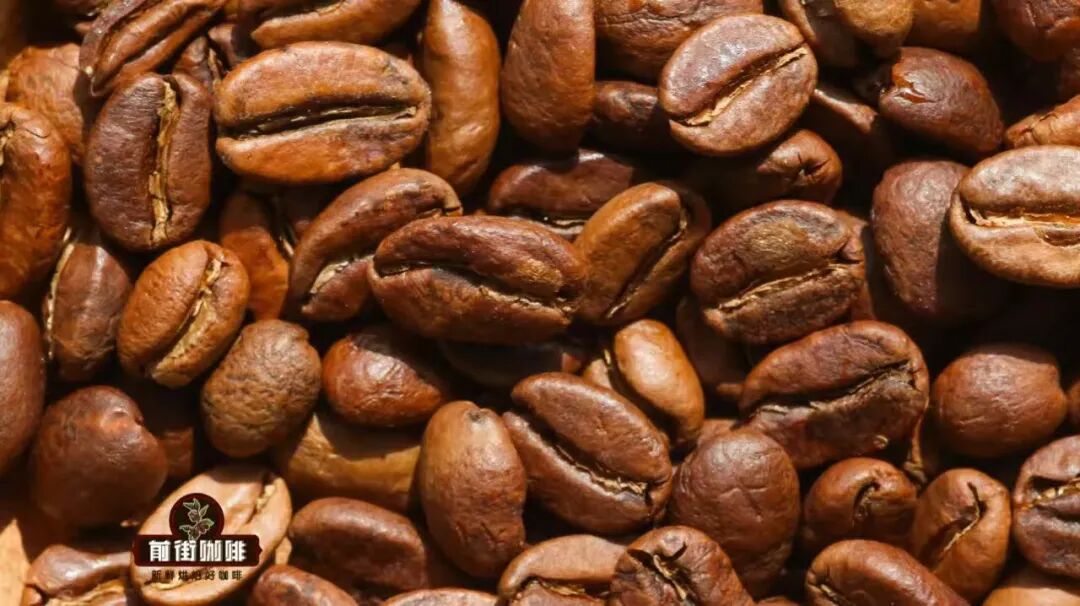
Fermentation is an inevitable part of coffee processing and a key factor in flavor development. Different processing methods influence both the duration of fermentation and the substances involved in the reaction. For example, the distinct flavor profiles of washed and natural processed coffees stem largely from differences in fermentation levels and environmental conditions. When coffee beans are exposed to more fermentation elements and the fermentation period is extended, it can lead to the creation of more intense and complex aromatic compounds—some of which may include those savory, soy-sauce-like notes.

When fermentation goes too far and aroma molecules accumulate excessively, our olfactory system may not distinguish each subtle scent individually. Instead, these concentrated signals are often interpreted as a familiar, strong impression—such as "soy sauce," "miso," or "fermented black beans." Anaerobic processing is a common source of such flavors, as the extended fermentation under low-oxygen conditions tends to produce intense aromatic combinations. However, this "soy-sauce flavor" is often just the surface. With careful nosing, one can usually detect underlying fruit notes—like grape, apricot, or passionfruit—sometimes accompanied by the sweetness of dried fruit.

For instance, the highly discussed Boundary Estate · Sidamo at a certain coffee shop is a coffee bean that undergoes double anaerobic fermentation. At first sniff, many are struck by its intense "fermented aroma," even wrinkling their noses. Yet, upon closer inspection, most quickly pick up on the hidden layers of fruitiness, and later, during tasting, they’re won over by its rich juiciness and well-balanced acidity and sweetness. This is the kind of nuance that reveals itself only when you dig deeper beyond the surface of the flavor.

Beyond the olfactory "soy-sauce flavor," we sometimes also perceive a similar savory taste. Such instances often stem from the prominence of "saltiness" in the coffee. Generally, the basic tastes of coffee include acidity, sweetness, bitterness, and saltiness—with saltiness being the most subtle, usually emerging only when extraction goes awry. When extraction is underdeveloped, the acidic and sweet components in the coffee aren’t fully released, making the saltiness relatively more noticeable. Mixed with the intense aromas, this can create a composite sensation akin to soy sauce.
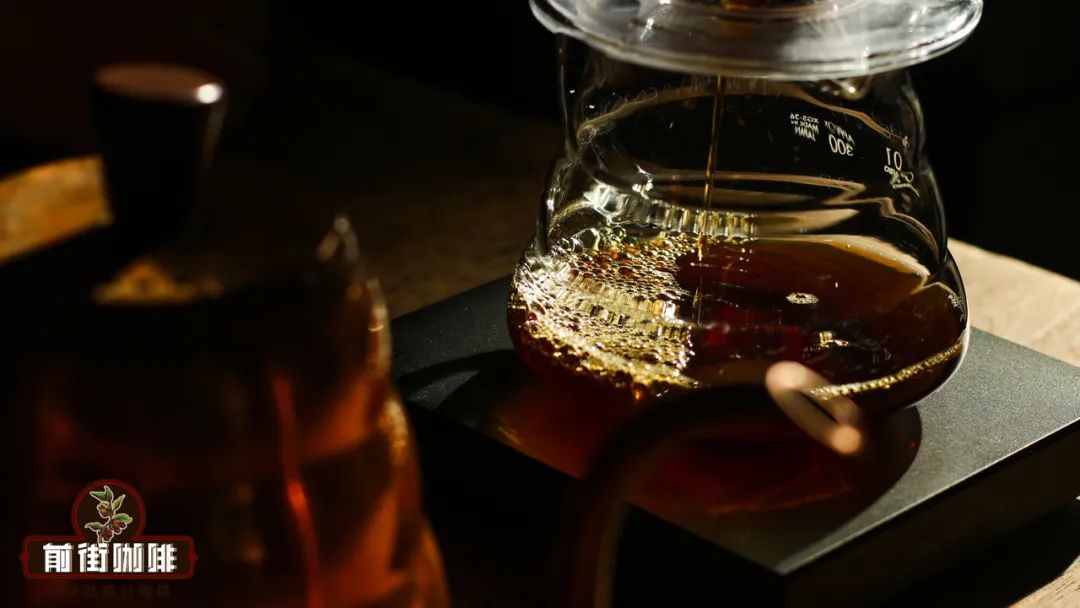
If you suspect the soy-sauce flavor stems from extraction issues, try adjusting the brewing parameters to improve the cup—especially important when pulling espresso shots. Recommendations include fine-tuning variables such as grind size, water temperature, pressure, and brew ratio. For example, moderately increasing grind coarseness, extending extraction time, or slightly raising water temperature can help bring out more sweetness and acidity, thereby balancing overly prominent saltiness and intense fermented notes. If you encounter a similar taste during pour over, try diluting the brew with hot water to disperse overly concentrated flavors, which can help re-identify the true layered profile of the coffee.
In summary, the soy-like flavor in coffee mainly relates to the fermentation level in the processing method and the brewing conditions—especially anaerobic processes, which are more prone to producing such intense aromas. However, not all anaerobically processed coffees will necessarily exhibit this trait; it ultimately depends on how fermentation is controlled and how the coffee is brewed. Understanding these principles not only helps you avoid unwanted flavors but also allows you to more deeply appreciate the uniqueness of each coffee.
The above content is compiled by CoffeeHunters, a coffee news website.


