








Introduction:Want to try iced pour over but worried about complex parameters and hard-to-control water flow? This article teaches you a nearly zero-barrier stirring method. Even with the finest grind and boiling water, you can easily brew high-sweetness iced coffee. Using Kenya’s “Little Tomato” beans as an example, we’ll detail the secrets of the 1:10 coffee-to-water ratio and high temperature of 100°C — from blooming & stirring to final dripping — fully explaining how simple actions can elevate flavor layers. Especially beginner-friendly for quick mastery.
Regarding iced pour over brewing, there are already many different methods shared online, but for those new to coffee, accurately mastering most techniques still presents certain challenges.

Since most iced pours rely on ice cubes for rapid cooling and reduce pouring volume to maintain high concentration—offsetting dilution from melting ice—this demands high precision in parameter settings and water flow control. It's easy for beginners to get flustered. Don’t worry. This time, we’re introducing a brewing method that doesn’t require strict parameter control or obsessing over stable water flow. The process is extremely simple.
How simple is it? Water temperature and coffee grind size hardly need any special adjustment — just use the finest grind possible with freshly boiled water, and you don’t even need to meticulously control the water flow to easily brew a pot of flavorful iced pour over. Its core difference from conventional brewing lies solely in one key action added during the brew: stirring.
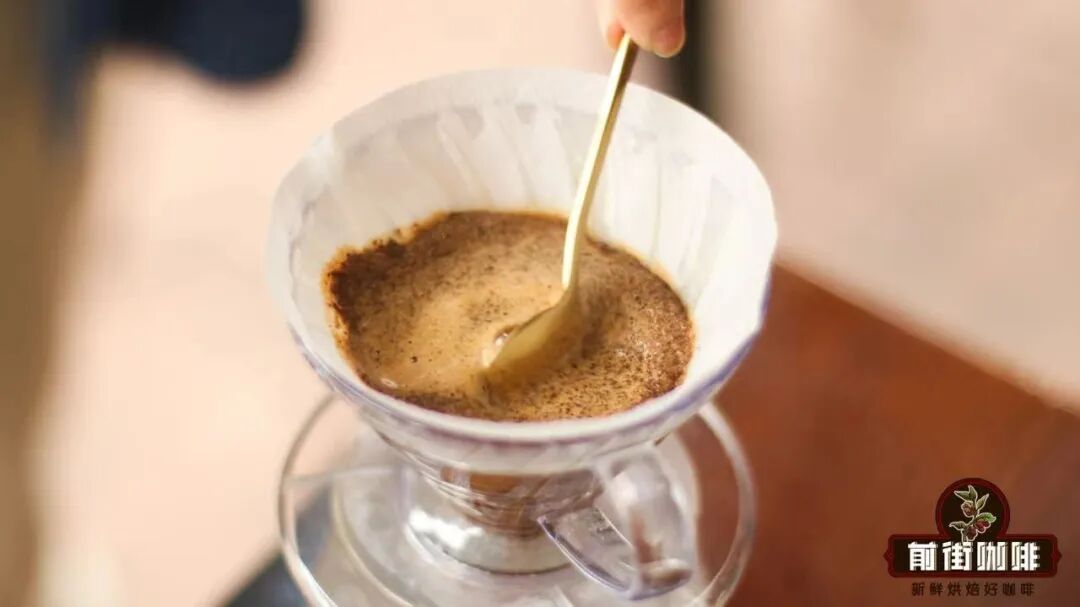
Yes, what we’re sharing this time is the stirring method commonly used by Taiwanese barista Amis. The so-called stirring method is a special technique that involves manual intervention to stir during brewing. The specific operation is: while circling the water kettle to pour, additionally use a manual tool (like chopsticks or a spoon) to stir the coffee grounds layer, thereby accelerating the dissolution rate of flavor substances. Compared to the mere flow of water, the kinetic energy generated by manual stirring is stronger, extracting the essence of the coffee more efficiently, making the final cup’s flavors richer and more intense. Especially suitable for those who always struggle to brew their ideal iced pour over.
Some may wonder: the finest grind, highest water temperature, plus strong stirring — does this seemingly extreme combo easily lead to over-extraction? Theoretically, there is indeed some risk, but in practice, it’s not a big issue. Because iced pours inherently use less water, and under normal pressure, coffee is not prone to over-extraction; plus, the stirring method’s operation duration and pouring rhythm are relatively mild. As long as you grasp the basic points, there’s no need to overly worry about quality.
Next, let’s detail how to brew a richly flavored iced pour over using the stirring method. This time, we selected Kenya · Little Tomato from a certain coffee bean offering — a medium-light roasted bean with distinct characteristics of the Kenya region. The target flavors are bright, sweet and refreshing, with a juicy mouthfeel. Specific parameters are: 15g coffee, 1:10 coffee-to-water ratio, grind set to scale 0 on the Ek43 grinder (i.e., finest setting), brew water temperature 100°C, paired with 100g ice cubes, using a V60 filter, and the brewing method is the stirring method.
Before using the stirring method, prepare a handy stirring tool (common household chopsticks or a long-handled spoon will do). Once ready, start brewing: the first step is to pour 3 times the coffee dose (45ml) of water for blooming, for 30 seconds. During this stage, stir simultaneously — gently agitate the coffee grounds with your tool to ensure the hot water contacts all layers of the coffee, helping release CO₂ and improve subsequent extraction efficiency. Stir until the coffee and water are fully integrated (no need for complicated moves, just gentle back-and-forth stirring), then wait 30 seconds for the blooming phase to finish.

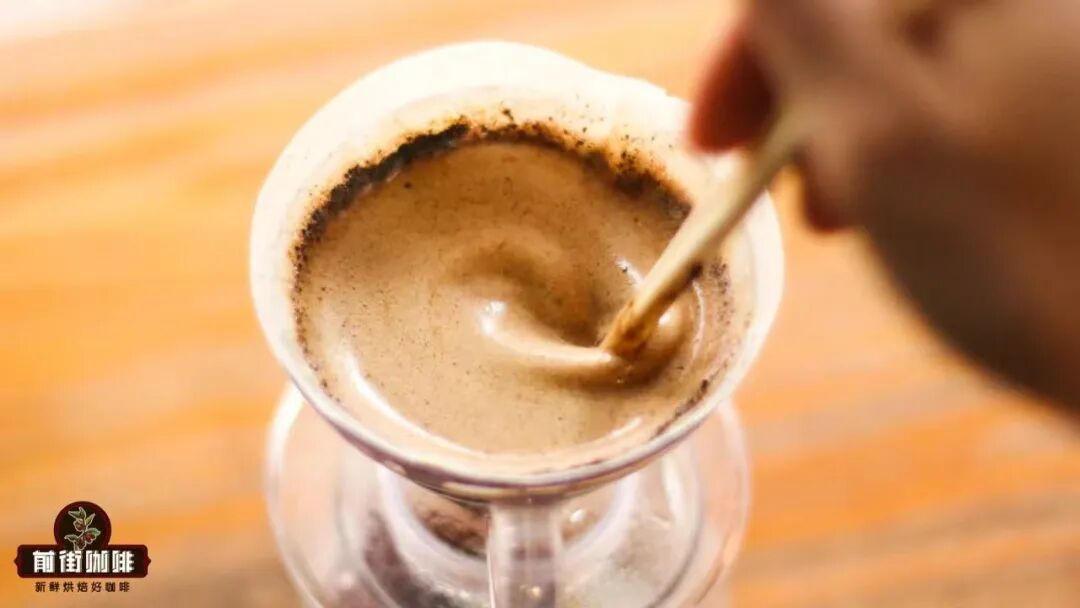
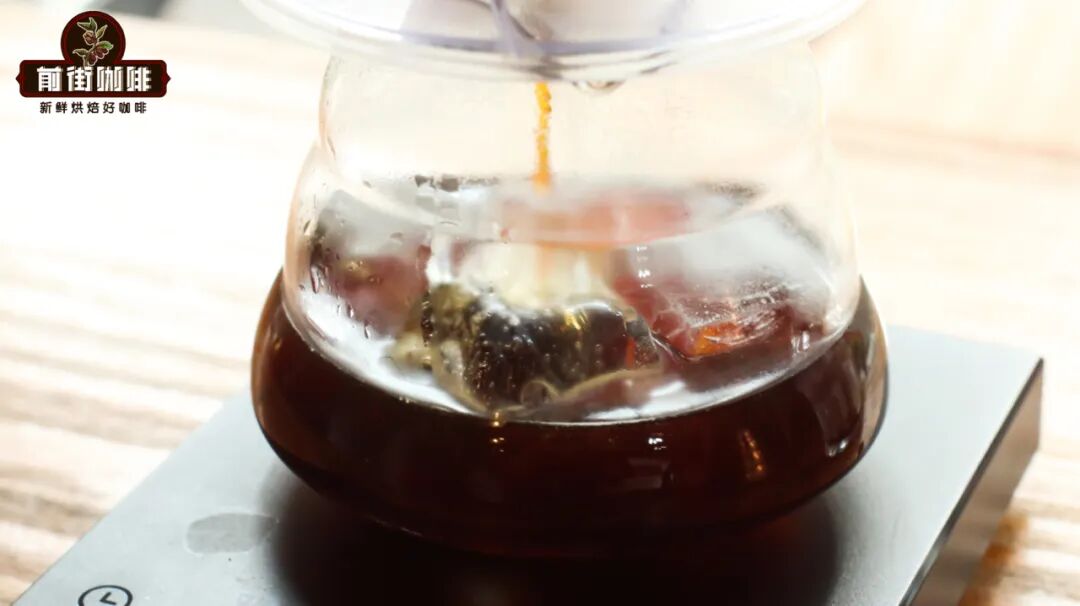
After blooming, pour the remaining 105ml of hot water into the filter in one go (total pour volume 150ml, including the initial 45ml). Immediately after pouring, pick up the stirring tool and stir in circles for 20 seconds. Be mindful of moderate stirring strength, ensuring all coffee layers are engaged, but avoid excessive force causing too much dispersion of the grounds. After 20 seconds, stop stirring, and let the coffee drip through completely (approximately 1 minute and 45 seconds total), then remove the filter.
How does the final Kenya iced pour over taste? Testing shows outstanding sweetness, rich aroma layers, with clear notes of dark plum and the unique fresh acidity and sweetness of little tomatoes, plus a caramel warmth in the finish. The mouthfeel is full-bodied, as refreshing as freshly squeezed tomato juice. But a special note: this method is better suited for light-roasted beans. If using medium-dark roasted beans, it’s recommended to lower the water temperature slightly (e.g., 90–93°C) or adjust to a coarser grind (like Ek43 scale 2–3), otherwise high temperatures and strong stirring could lead to over-extraction, affecting flavor balance.
In summary, the stirring method lowers the technical barrier to iced pour over. Even beginners can use simple operations to leverage high temperature and fine grind to bring out the best flavors of the coffee. Next time you try iced pour over, give this method a shot — you might be pleasantly surprised.


The above content is compiled by CoffeeHunters, a coffee news website.


