







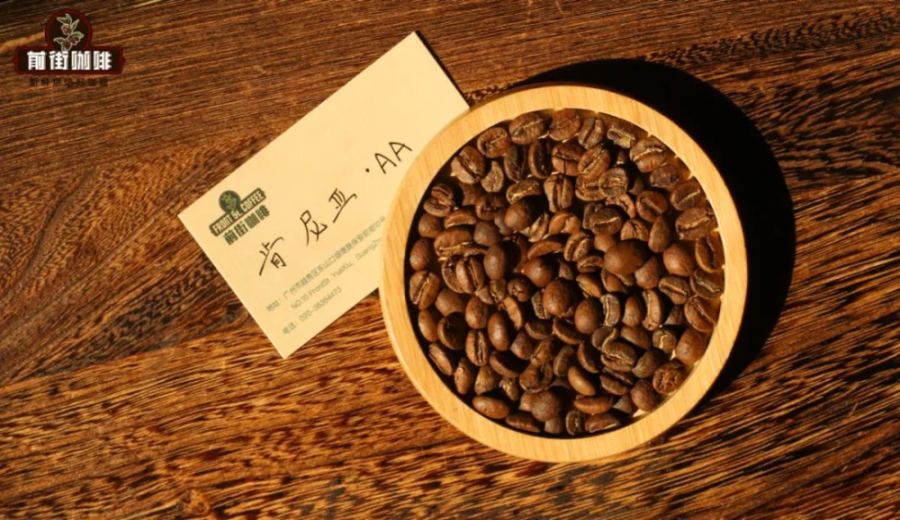
Introduction:Kenyan coffee is renowned for its intense fruit acidity and rich fruity aromas, often featuring bright notes of blackberries, grapefruits, and more. Behind this distinctive flavor profile is a combination of high-altitude cultivation, classic SL varieties, and Kenya’s unique double-washed processing method. This article delves into the characteristics of Kenyan coffee regions, the genetics of its varieties, its refined processing procedures, and its rigorous grading system. It also explains how medium-to-light roasting can bring out subtle layers such as cherry tomatoes and dark plums, helping you better appreciate the charm of this classic pour over coffee.
Kenyan coffee is world-famous for its bright acidity and bold fruity aromas, often described as a complex interplay of sweet and tart notes reminiscent of blackberries, grapefruits, and even lemons. This unforgettable flavor is not accidental but the result of a close synergy between high-altitude growing conditions, classic SL series varieties, and Kenya’s distinctive double-washed processing technique. If you’re a fan of pour over coffee and want to explore the flavor origins and brewing secrets of Kenyan beans in more depth, this article will provide you with a comprehensive breakdown.
Most of Kenya’s coffee-growing regions are located in high-altitude mountainous areas ranging from 1,200 to 2,000 meters above sea level, which is highly favorable for coffee tree growth. In such high-altitude environments, relatively lower temperatures slow down the ripening process of coffee cherries, aiding the accumulation of aromatic compounds while also enhancing the coffee beans’ acidity and resulting in a firmer, denser bean structure.
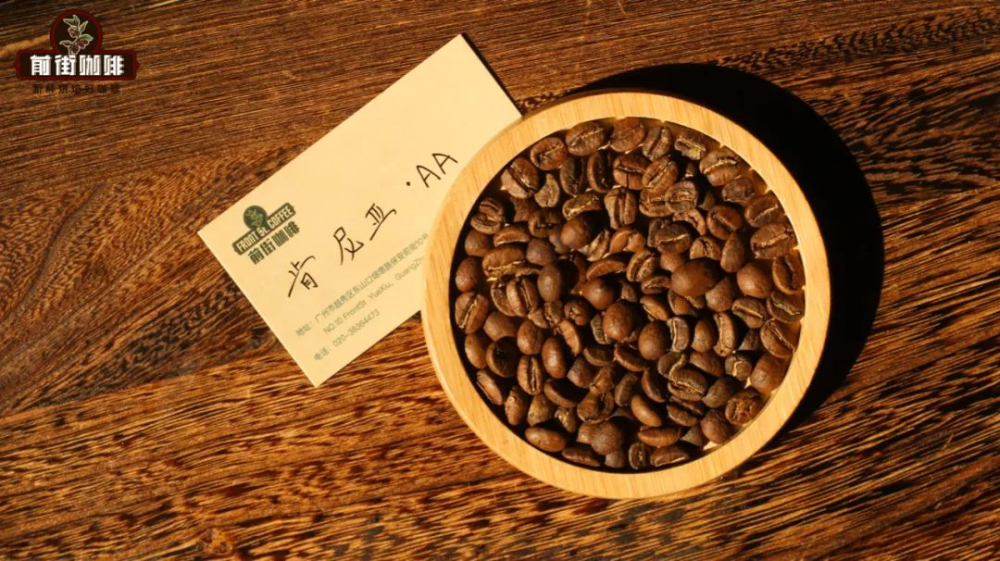
Among the many Kenyan coffee varieties, the most representative are undoubtedly SL28 and SL34. The “SL” stands for Scott Laboratories, the predecessor of today’s Kenya Coffee Research Institute. As early as the 1930s, the institution launched a variety improvement program, during which up to 40 experimental varieties were developed—and SL28 and SL34 were the two that stood out. Today, these two varieties have become undisputed stars in the specialty coffee world, recognized not only for their distinctive profiles but also for their widespread acclaim among coffee enthusiasts globally.
SL28 typically exhibits deep notes of dark plum and citrus, with a layered, stone-fruit-like acidity and a wine-like richness that lingers on the palate. SL34, on the other hand, is known for its bright acidity paired with soft nutty and spicy undertones. Notably, these varieties interact exceptionally well with Kenya’s unique high-phosphorus soils, completely breaking the stereotype that “artificially bred varieties are inferior to wild ones,” and establishing Kenya coffee’s prestigious status in the international market.
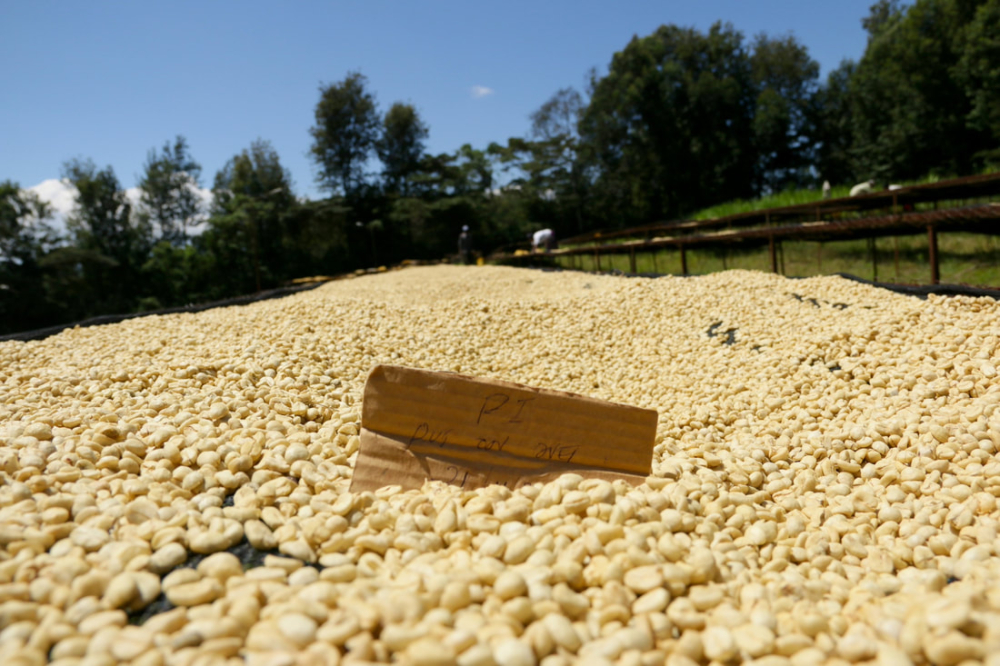
In terms of processing, Kenyan coffee is mostly harvested and processed by cooperative farms, with washed processing being the primary method. However, Kenyan washed processing differs significantly from other regions, especially in the fermentation and washing steps, which are more meticulous. Typically, washed processing in Central and South America does not exceed 36 hours, but Kenya’s process can last up to 72 hours: starting with 48 hours of fermentation, followed by the removal of the mucilage, then soaking in clean water for another 24 hours. This so-called “double fermentation” or “double soaking” washed process gives Kenyan coffee an exceptionally bright, clean, and layered flavor profile.
Kenya’s coffee grading system is also quite unique, primarily evaluating beans based on size, shape, and hardness. It is also one of the few regions that separately selects and sells peaberries (abbreviated as PB). The grades from highest to lowest are: PB (peaberry, the highest grade), AA++, AA+, AA, and AB (the entry-level grade). Among them, AA-grade beans are known for their large and uniform size, usually possessing the richest flavor potential.
Take the highly acclaimed Kenyan “cherry tomato” coffee beans as an example—this particular bean is classified as AA grade and processed using the K72 washed method. Not only are the beans plump, but they also undergo a meticulous 72-hour processing procedure. To fully highlight its floral and fruity aromas, most roasters opt for a medium-to-light roast to preserve more acidity and fruitiness. When brewing this coffee, you can often taste delicate notes such as cherry tomatoes, dark plums, black plums, caramel, and pears, with clear layers and a long-lasting finish.
In summary, the reason Kenyan coffee can present such a unique sweet-and-sour fruit profile is the perfect combination of high-altitude environments, classic SL varieties, and refined washed processing techniques. If you want to brew a cup of distinctly flavorful Kenyan coffee at home, it is recommended to choose AA-grade beans with a medium-to-light roast, and by controlling grind size and water temperature appropriately, bring out its most captivating acidity and layered complexity.
The above content is compiled by CoffeeHunters, a coffee news website.


