







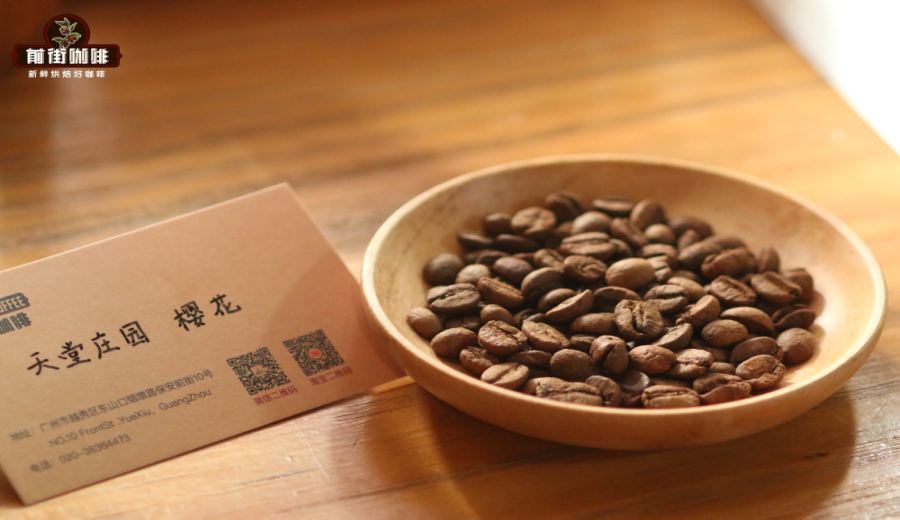
Introduction:This Colombian coffee bean from Finca El Paraíso, dubbed “Sakura” (Cherry Blossom), may bear the name of cherry blossoms, but it delivers a complex aroma of basil, rosemary, and strawberry jam. Many tasters describe its profile as refreshing, akin to herbal tea. This article takes an in-depth look at the Castillo variety grown in Colombia’s high-altitude Cauca region, analyzes the unique flavor origins of its double anaerobic washed process, and provides professional-grade V60 three-stage pour over parameters along with a roast curve to help you accurately reproduce the layered acidity and bright sweetness of this coffee.
Many consumers who receive this “Sakura” coffee bean often ask their first question: “Why is it called Sakura?” In fact, according to multiple professional cuppers, the dry fragrance of this coffee is not the typical intense sweetness of cherry blossoms, but more akin to the subtle trace left when paper brushes over water. The naming inspiration for Paradise Estate likely stems from some subtle, hard-to-detect delicate scent in the green beans, rather than a direct floral expression.
However, after professional roasting and cupping, the aroma profile this coffee reveals is truly astonishing. During cupping, many detected herbal notes of basil and rosemary, others sensed soft floral tones reminiscent of chamomile, and some even associated it with the unique scent of mugwort. Such a diverse aromatic display has even led to playful suggestions to simply rename it the “Herbal Tea Flavor Bean.”
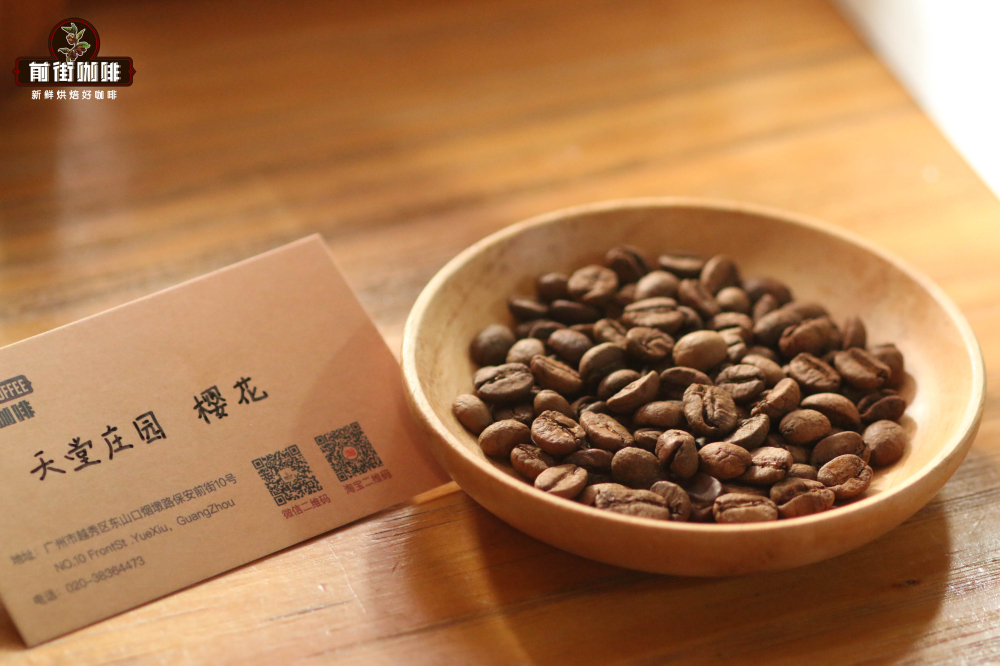
The origin of this coffee — Cauca Province in Colombia — is one of the country’s officially certified high-quality coffee regions, with an average altitude of 1,758 meters, and some areas even exceeding 2,100 meters. The terrain here is steep, the climate cool, and the day-night temperature variation significant (with an average daytime temperature of only 11°C and around 18°C during the day). Coupled with mineral-rich volcanic soil, it provides an ideal growing environment for coffee trees. Particularly notable is the significant day-night temperature difference, which slows down the ripening process of the coffee cherries, helping the beans accumulate richer flavor compounds and sugars, resulting in bright acidity and a unique sweetness.
This Sakura coffee bean from Finca El Paraíso has been meticulously managed by Mr. Diego Samuel since 2008. This family estate, initially just 2.5 hectares in size, gradually developed into a focus on specialty coffee cultivation after winning first prize in a regional cupping competition in 2015. Currently, the estate grows multiple varieties including Bourbon, Pacas, Geisha, Castillo, and Colombia — and the “Sakura” bean introduced in this article is made from the Castillo variety.
The Castillo variety was developed over 23 years by the Colombian Coffee Research Center and has been widely promoted since 2005, currently accounting for about 45% of Colombia’s coffee planting area. This variety is known for its smooth mouthfeel, clear aroma, and lemon-toned acidity. According to official blind tasting results, its flavor performance can rival that of traditional Caturra and Bourbon varieties.
What makes this coffee most special is its “double anaerobic washed” processing method. During production, whole coffee cherries are first placed in an oxygen-free environment for initial fermentation, after which the outer skin and pulp are removed, and the mucilage-covered beans are sealed again for a second anaerobic fermentation. After fermentation, the mucilage is washed off, and the beans are dried in the sun until the moisture content reaches approximately 11%. This processing method gives the coffee a richer layering of acidity and a unique aroma profile.
In terms of roasting, we use a Yangjia 800N roaster with a charge of 480 grams. The beans are dropped into the drum at a drum temperature of 165°C, with the fan set to 3 and the heat at 120; the turning point appears at around 1 minute and 32 seconds. When the drum temperature drops to 115°C, the fan is adjusted to 4. At 6 minutes, the beans turn yellow, the grassy taste completely disappears, entering the drying phase; at 8 minutes and 27 seconds, wrinkles and dark spots appear on the bean surface. By this time, a distinct coffee aroma should emerge, as it is about to enter the first crack. Careful attention to the cracking sounds is required. The first crack begins at 10 minutes and 10 seconds, at which point the fan is opened fully, and at 178°C, the heat is reduced to 50; the first crack continues to develop for 1 minute and 30 seconds, and the beans are finally dropped at 193°C.
Cupping results show that the dry fragrance of this coffee is dominated by basil and rosemary, while the wet aroma emits the sweet scent of chamomile and strawberry jam. The overall flavor profile centers around chamomile, basil, and rosemary, complemented by the fermented character of strawberry jam and the bright acidity and sweetness of strawberries, offering a layered and unforgettable experience.
It is recommended to use a V60 #01 filter cone for pour over, with a coffee dose of 15 grams and a brew ratio of 1:15, keeping the water temperature at 90°C and the grind size medium-fine (78% passing through a #20 sieve). To fully express the delicate flavors of the coffee, be sure to use freshly roasted beans within 5 days of roasting, with the optimal flavor window being the 4 to 7-day rest period after roasting.
A three-stage pour over technique is recommended: after preheating the filter cone and server, place 15 grams of coffee grounds and gently tap to level. The first stage involves pouring 30 grams of water for a 30-second bloom, until a full “coffee burger” shape forms; after 30 seconds, begin the second stage by pouring 95 grams of water at a height of 3–5 cm in a circular motion from the center outward, reaching a total of 125 grams, at which point a golden crema layer should appear; when the liquid level is about to expose the coffee bed, proceed to the third stage, slowly pouring 100 grams of water in a circular motion, for a total extraction time of about 2 minutes and 8 seconds. This method fully brings out the strawberry sweetness, vanilla notes, and refreshing herbal finish, with a lingering aftertaste reminiscent of the coolness of mint tea.
The above content is compiled by CoffeeHunters, a coffee news website.


