







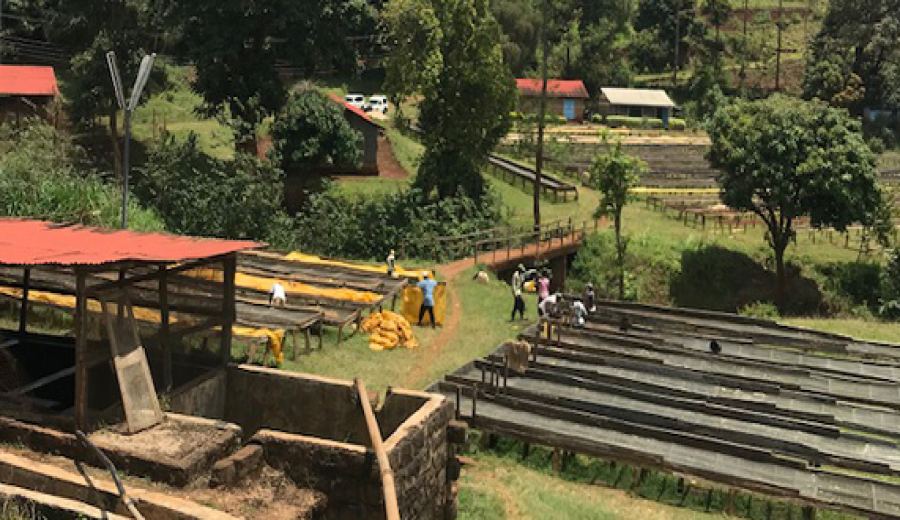
Introduction:The Nyeri region of Kenya is renowned for its high altitude and premium microclimate. The AB-grade coffee beans produced by the Gachatha Cooperative within this region, combining the classic SL28 and SL34 varieties and processed via the K72 washed method, exhibit bright acidity and complex layers. This article delves into the regional background, variety characteristics, and processing techniques of these beans, and provides professional roasting profiles, cupping data, and practical V60 pour over parameters to help coffee enthusiasts master brewing techniques and fully experience its captivating flavors of citrus, plum, and honey green tea.
Kenya’s Nyeri region is located in the high-altitude area at the foot of Mount Kenya and is one of the key hubs of the country’s specialty coffee production. With an average altitude exceeding 1,500 meters, fertile and well-drained soil, and cool climatic conditions, the area produces numerous coffees with distinct flavor profiles. Among them, the AB-grade coffee beans produced by the Gachatha Farmers Cooperative Society stand out for their consistent quality and unique processing methods, making them a top choice for many coffee lovers trying Kenyan beans.
The Gachatha Cooperative is situated in the village of Giakanja, within the Nyeri and Karundu districts, and operates a processing factory of the same name, serving over 1,080 smallholder coffee farmers. The cooperative manages approximately 160 hectares of coffee cultivation, primarily growing the two classic Kenyan native varieties, SL28 and SL34, with a small number of farmers also cultivating R11 and Batian. The AB-grade beans introduced here are a blend of SL28 and SL34, classified by a bean size between 15 and 16 mesh, placing them in the mid-to-high quality range for both commercial and specialty grade beans.
The processing of these beans is handled by the Gathaithi Factory located in the Tetu district. This factory is situated in a region with mineral-rich red volcanic soil, receiving about 1,100 mm of annual rainfall. The climate is cool and dry, with an average annual temperature maintained between 16 and 22 degrees Celsius, providing an ideal environment for the maturation of coffee cherries. The factory is equipped with dedicated management personnel and a farmers' committee, and regularly conducts technical training to ensure that every step from harvesting to processing meets high standards.
These coffee beans are processed using Kenya’s distinctive K72 washed method, characterized by fermentation and washing carried out in three stages, totaling 72 hours of fermentation time. The specific process is as follows: on the day of harvest, only ripe red cherries are selected, the pulp is removed, and the first 24-hour fermentation takes place, followed by rinsing with clean water; then a second 24-hour fermentation is conducted, followed by another rinse; finally, a third 24-hour fermentation is performed, with a final rinse. This multiple-cycle fermentation and rinsing approach effectively enhances the cleanliness and flavor complexity of the coffee, resulting in brighter acidity and more pronounced sweetness.
In terms of variety, SL28 and SL34 are the two most representative native varieties of Kenyan coffee. SL28 was developed in the 1930s by the Scott Laboratories and was initially intended to be a high-yield, disease-resistant variety. Although yields were not as expected, it unexpectedly demonstrated exceptional flavor potential. Its characteristics include copper-colored young leaves, pea-shaped beans, and outstanding citrus and dark plum notes, with bright acidity and rich layers. SL34 has a mixed lineage of French Mission, Bourbon, and Typica, with greater adaptability to changes in rainfall. The beans look similar to SL28, but offer a richer and more intense flavor profile, along with better sweetness and cleanliness.
Regarding roasting, the brand uses a Yangjia 800N semi-direct-fire roaster with a charge of 480 grams. During the roasting process, the charge temperature is set at 165°C when the beans are dropped in, with the airflow damper initially set to 3 and the heat at 120. The turning point occurs around 1 minute and 28 seconds, and when the temperature reaches 113°C, the damper is adjusted to 4. Around the 6-minute mark, when the temperature hits 151.4°C, the bean surface turns yellow, grassy notes dissipate, and the drying phase is complete. Subsequently, the bean surface gradually shows rough textures and dark spots, and the aroma transitions from bread-like to coffee-like, at which point close attention must be paid to the start of first crack. First crack begins around 9 minutes and 50 seconds, with the damper remaining unchanged while the heat is gradually reduced from 188°C to 90. The first crack development period lasts approximately 1 minute and 40 seconds, and the beans are dropped at 191°C, resulting in a balanced and expressive roasted flavor.
According to the brand’s cupping records, sample beans are cupped within 8 to 24 hours after roasting, using 200 ml ceramic cupping bowls. The water temperature is controlled at 94°C, and the grind size is set to 70% to 75% passing through a 20-mesh sieve. The brew ratio is 1:18.18 (i.e., 11 grams of coffee grounds to 200 ml of water), with the extraction concentration falling within the optimal range of 1.15% to 1.35%. The steeping time is 4 minutes. Cupping results show that the dry aroma is dominated by citrus, while the wet aroma distinctly features plum. The flavor profile includes citrus, plum, honey, grapes, and tea notes, with an overall impression that is fresh and varied.
If choosing to brew with a V60, it is recommended to use a V60 #01 filter, with the water temperature set to 90°C, a coffee dose of 15 grams, and a brew ratio of 1:15. The grind size should be medium-fine, approximately 80% passing through a 20-mesh sieve, similar in coarseness to fine sugar. The brewing steps are as follows: first, wet the filter and preheat the equipment, then pour 30 grams of water for a 30-second bloom; follow with a slow circular pour using a small stream of water. When the total water volume reaches 130 grams, perform the first pour break. As the water level drops and is about to expose the coffee bed, continue pouring until the total reaches 240 grams, then stop; finally, wait until the water level drops close to the coffee bed again before removing the filter. The total brew time is approximately 2 minutes and 2 seconds. This parameter setup helps fully bring out the citrus acidity, the mid-palate flavors of plum and grapes, as well as the honey and green tea sweetness in the finish.
In summary, the AB-grade coffee beans from the Gachatha Cooperative in Kenya’s Nyeri region, with their unique regional environment, classic variety combination, and refined K72 washed processing, showcase a highly distinctive flavor profile. Whether you are a beginner looking to explore the characteristics of Kenyan beans or a pour over enthusiast seeking new brewing inspiration, these beans are a worthwhile choice for deeper appreciation. Through appropriate roasting and precise pour over parameters, one can more fully experience their bright acidity, rich layers, and uniquely long-lasting aftertaste.
The above content is compiled by CoffeeHunters, a coffee news website.


