







Introduction:Cold brew coffee, known for its refreshing and smooth taste and ease of preparation, has become a daily choice for many coffee enthusiasts. This article delves into the extraction principles and flavor characteristics of cold brew coffee, and provides detailed explanations of three common brewing methods—directly grinding coffee beans for cold brew, using drip bags, and making cold brew from ready-to-use cold brew packs—along with specific grind-to-water ratios and practical brewing procedures. With concrete parameters and step-by-step instructions, it helps you easily brew a cup of cold brew coffee with soft texture and clear flavor at home.
In recent years, cold brew coffee has gained a large following around the world. Its biggest appeal lies in the simplicity of the brewing process, requiring no specialized equipment—just basic tools to make it at home or in the office. Moreover, the taste of cold brew coffee is generally softer, with low acidity and bitterness, making it highly suitable for those who prefer a refreshing flavor. Starting from the basic principles of cold brew, this article will help you understand its flavor profile and focuses on analyzing three common methods: directly using ground coffee, drip bags, and commercially available cold brew packs, while also providing useful grind-to-water ratios and operational tips.
The extraction principle of cold brew coffee mainly involves mixing coffee grounds with cold water (or ice water) at a certain ratio and letting it steep in a low-temperature environment for an extended period. This cold, slow extraction method is significantly different from the traditional high-temperature, short-duration brewing. Typically, high-temperature brewing uses water temperatures between 85 and 93°C, with extraction times usually not exceeding 3 minutes, primarily extracting a variety of compounds including acidity, aroma, and some bitterness. In contrast, cold brew allows the coffee grounds to interact with water for 12 to 24 hours in an environment between 4°C and room temperature, mainly dissolving small-molecule flavor substances such as floral, fruity, and sweet notes. As a result, the acidity is less pronounced, and the overall mouthfeel is rounder and smoother.
The flavor profile of cold brew coffee is often described as refreshing, low in acidity, with a natural sweetness and well-defined layers. Because the low-temperature environment suppresses the release of certain large-molecule substances—such as smoky or overly intense bitter flavors—cold brew better showcases the terroir and subtle tonalities of the coffee beans themselves. For consumers who prefer a balanced taste, medium-roasted coffee beans are often the first choice, as these beans usually have more harmonious expressions of acidity, sweetness, and aroma. For example, coffee beans with floral and fruity aromas can present clear berry or citrus notes after cold brewing, with a sweet and lingering aftertaste.
If you prefer a more refreshing cold brew flavor, light roast coffee beans are also a great option. Light roasts typically have higher acidity and brighter aromas. After prolonged cold brewing, the acidity transforms into a softer fruit acid, resulting in a fresh yet layered profile. For instance, certain beans with jasmine floral notes and sweet orange tones, when extracted with ice, not only yield a clean taste but also bring a hint of green tea-like aftertaste, especially suitable for consumption during hot seasons.
Next, we will introduce in detail three common cold brew coffee brewing methods, including using freshly ground coffee beans, drip bags, and cold brew packs. Each method comes with different recommended grind-to-water ratios and practical step-by-step instructions.
1. Direct Cold Brew Using Ground Coffee Beans
This method is closest to the pour over principle and is suitable for users who like to select their own coffee beans and adjust flavors.
Recommended grind size: Slightly finer than pour over, about 80% passing through a standard #20 sieve. This increases surface contact without making filtration too difficult.
Grind-to-water ratio: 1:10 (e.g., 50 grams of coffee grounds to 500 milliliters of water)
Required tools: Airtight glass bottle or large-capacity container, filter paper or filter
Steps:
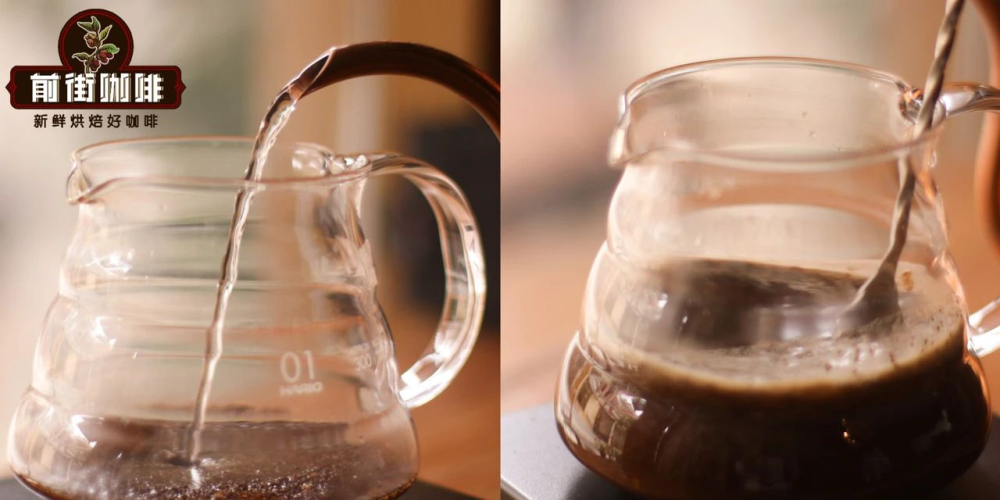
1. Grind the coffee beans to the recommended coarseness, and measure out an appropriate amount (e.g., 50 grams).
2. Pour the coffee grounds into a sealed bottle, add about 400 milliliters of room-temperature water and 100 grams of ice cubes, then stir well.
3. Seal the bottle tightly and place it in the refrigerator to steep for 12 to 14 hours, allowing the coffee flavors to slowly infuse.
4. After extraction, use filter paper or a filter to remove the coffee grounds. The resulting coffee liquid can be consumed immediately or stored in the refrigerator for up to 48 hours.
2. Cold Brew Using Drip Bags
Drip bags are originally designed for hot water brewing, but with slight adjustments, they are also suitable for cold brew.
Grind-to-water ratio: 1:10 (based on a single drip bag of 10 grams, paired with 100 milliliters of ice water)
Required tools: Airtight container, ice water mixture, original drip bag (used as a filter)
Steps:
1. Pour the coffee grounds from the drip bag into a clean airtight bottle, keeping the drip bag part for later filtering.
2. Add 100 milliliters of ice water. It’s recommended to mix ice cubes with cold water to control the temperature.
3. Seal the lid and shake well to ensure the coffee grounds and water are evenly mixed, then refrigerate for 12 to 14 hours.
4. After extraction, take out the drip bag part and use it as a filter to pour the coffee liquid into a cup. Filter out the coffee grounds, and enjoy.
3. Making Cold Brew Using Pre-made Cold Brew Packs
Commercially available cold brew packs come pre-mixed with coffee grounds, offering the utmost convenience, ideal for busy individuals or beginners.
The grind-to-water ratio is flexible, generally recommended as 1:10 or 1:6 depending on the intended use.
Required tools: Wide-mouth bottle, cup, ice water
Steps:
1. Place the cold brew pack into the bottle and remove the hanging string.
2. For direct drinking, it is recommended to use a 1:10 ratio—10 grams of coffee grounds to 100 milliliters of cold water. For making other beverages (such as cold brew-flavored milk or cocktail bases), you can use a 1:6 ratio—10 grams of coffee grounds to 60 milliliters of water—and dilute after concentrating.
3. Add ice water, gently shake, seal, and refrigerate for 8 to 12 hours.
4. After extraction, remove the cold brew pack and enjoy directly or further prepare your beverage.
Through the above three methods, you can choose the most suitable cold brew approach based on the tools at hand and personal preference. Whether you’re a coffee enthusiast seeking precise flavor control or a daily drinker hoping for a quick and easy cold brew experience, as long as you master the correct grind-to-water ratio and brewing time, you can easily brew a cup of cold brew coffee with clear flavor and soft texture.
The above content is compiled by CoffeeHunters, a coffee news website.


