







Introduction:Cold drip coffee boasts a rich and layered flavor, but how do you choose the right coffee beans? This article delves into the key parameters of cold drip brewing—including coffee-to-water ratio, grind size, flow rate, and time settings—and features four distinct cold drip bean recipes ranging from berry fermentation to whiskey notes, helping you explore the diverse charm of cold drip coffee. It also debunks the myth that dark roasts inevitably taste bitter.
What kind of coffee beans should you use for cold drip? This is a common question among many coffee enthusiasts trying cold drip for the first time. In fact, there’s no need to limit yourself to specific regions or processing methods—most single-origin beans suitable for pour over can also be used for cold drip extraction. This article will explain the basic equipment setup and core parameters for cold drip coffee, and share four representative cold drip recipes, from bright fruity notes to deep, rich flavors, to help you find your preferred flavor combination.
Taking a common cold drip setup as an example, using the Tiamo HG2713 large cold drip stand, it consists of an upper water bottle, a transparent glass coffee powder chamber, a coiled serpentine tube, and a lower coffee collection bottle. Although some all-in-one designs on the market omit the serpentine tube, the basic functionality and extraction results are not significantly different, so consumers can choose based on budget and preference. This set’s powder chamber is recommended to hold 60 grams of coffee grounds, yielding approximately 600 milliliters of coffee liquid, translating to a coffee-to-water ratio of 1:10. The grind size is slightly finer than typical pour over—if tested with an 850μm sieve, the filtration rate is around 85%, which helps extend the water-coffee contact time and improve flavor extraction efficiency.
In terms of extraction conditions, it is recommended to mix ice and water in a 1:1 ratio, and adjust the flow rate via a throttle valve to 7 drops per 10 seconds, with the total extraction time being about 6 to 8 hours. After completion, it is advised to bottle the coffee liquid and refrigerate it for 12 hours, which helps stabilize the flavor and precipitate impurities. When drinking, dilute with ice cubes—not only does this slow down temperature rise, but it also extends the optimal flavor period.
As for coffee bean selection, in theory, any single-origin beans commonly used for pour over are suitable for cold drip. Below are four classic cold drip recipes and their unique flavor profiles:
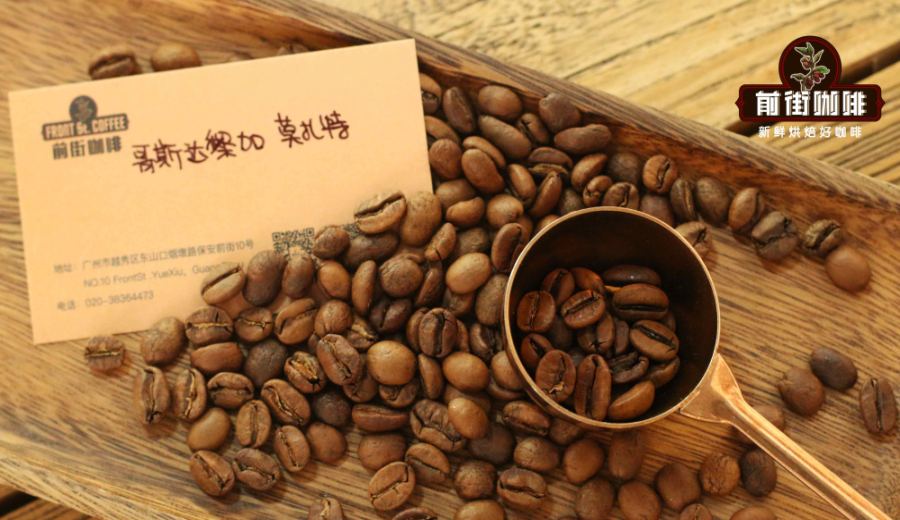
① Dark Berry Type: Costa Rica Mozart
Use 60 grams of Costa Rica Mozart beans processed with anaerobic honey. These beans are known for their distinctive raisin aroma. After cold drip extraction, the flavors of blueberries and black grapes are prominent, accompanied by a noticeable layer of fermented wine-like notes. The taste is refreshing with a long aftertaste, making it ideal for those who enjoy fruity and fermented flavors.
② Clean and Crisp Type: Kenya Little Tomato
Based on 60 grams of Kenya Little Tomato beans, which have a vibrant and bright acidity, like a fresh juice. After cold drip processing, the refreshing aromas of cherry tomatoes and grapefruit come alive in the mouth. The entry is light and the acidity is crisp, especially suitable for summer drinking, offering a refreshing and invigorating experience.
③ Sweet and Delicious Type: Indonesia Golden Mandheling
Breaking the myth that dark roast beans inevitably taste bitter when used in cold drip, opt for 60 grams of Indonesia Golden Mandheling. Following the standard cold drip process, and tasting the extracted liquid after refrigeration for 24 hours with ice cubes, it reveals a distinct sweetness and subtle hints of chocolate bitterness. The overall flavor is clean with a comfortable fermentation sensation, proving that dark roast beans can also deliver rich layers.
④ Classic Combination: Sherry & Beethoven Blend
This is a custom 30-gram Sherry beans + 30-gram Beethoven beans blend recipe. The Honduras Sherry and Costa Rica Beethoven are first mixed and ground together. After cold drip, it releases a strong whiskey aroma, blended with a refreshing citrus fruit tone and a rich vanilla creaminess. Multiple flavors intertwine to create a complex profile that is memorable and highly favored by customers.
The above are just four popular cold drip recipes. In reality, all types of coffee beans can be experimented with for cold drip. It is recommended to adjust the bean variety and processing method according to personal taste preferences, or further experiment with different parameter combinations—you might just discover unexpectedly delightful flavor surprises.
The above content is compiled by CoffeeHunters, a coffee news website.


