








Introduction:In the preparation of iced pour over coffee, the timing of ice addition is often a topic of debate: should you add the ice first or later? Which method better highlights the flavors? Through comparative experiments, we used 15 grams of Kafa Forest coffee beans, with a 1:10 coffee-to-water ratio and a water temperature of 90–91°C, to test both methods. We observed the differences in mouthfeel, aroma, and overall flavor to help coffee enthusiasts find the brewing method that suits them best.
The timing of ice addition during the brewing process of iced pour over coffee has always been a point of interest. Many coffee lovers wonder whether they should place the ice in the server beforehand or add it only after the extraction is complete. To address this common question, we conducted a rigorous set of comparative experiments to explore how the timing of ice addition affects the final coffee outcome.
The experimental conditions were kept consistent: we used 15 grams of coffee beans from Ethiopia’s Kafa Forest region, with a coffee-to-water ratio set at 1:10—that is, 15 grams of coffee grounds to 150 grams of hot water—plus an additional 100 grams of ice for cooling and dilution. Whether the ice is added before or after extraction was the core variable of this experiment. The grinder used was the EK43s, set to grind size 9, corresponding to approximately 85% extraction through a standard #20 sieve—finer than typical hot pour over grinding to accommodate the slower extraction pace of iced pour over. The water temperature was controlled between 90–91°C, suitable for the characteristics of light roast beans.
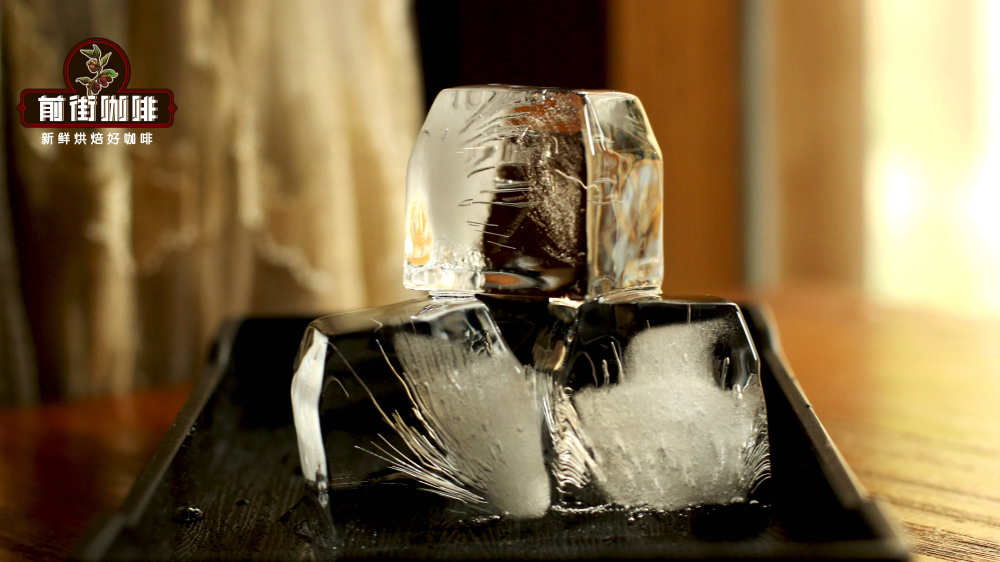
First, we tested the “ice added first” method. One hundred grams of ice were placed in the server in advance, followed by setting up the filter cone and filter paper, then adding the ground coffee. At this point, the scale was reset to zero as the starting point of extraction. The first pour involved adding 30 grams of hot water for a 30-second bloom to promote the release of coffee aromas. Then, 70 grams of hot water were poured in a circular motion from the center outward. Due to the finer grind, the coffee bed expanded more quickly, and the flow rate was slightly slower than in typical hot pour over. When the water level dropped to about half, another 50 grams of hot water were poured. After all the coffee had dripped through, the filter was removed, with a total extraction time of about 1 minute and 40 seconds. Finally, the server was gently shaken to ensure the coffee and ice mixed thoroughly for proper cooling and even flavor distribution.

The other method was “ice added later.” The preparation process was largely the same as the first method: 30 grams of hot water were poured for a 30-second bloom, followed by 70 grams and then 50 grams of hot water poured in circular motions, maintaining the same total extraction time of 1 minute and 40 seconds. The only difference was that in this method, the 100 grams of ice were added to the server only after all the coffee liquid had completely dripped through, followed by shaking to mix. Though the two methods differ only in the timing of ice addition, they actually have a noticeable impact on the final mouthfeel and aroma of the coffee.

In terms of sensory evaluation, under well-shaken conditions, the overall flavor profiles of the two brewing methods were quite similar, though subtle differences could still be detected. The coffee made with ice added first had a crisper, cleaner mouthfeel, with more restrained aromas, showcasing soft floral and fruity notes. In contrast, the coffee made with ice added later exhibited more concentrated and rich aromas, with slightly more pronounced layers, and the flavor changes upon tasting were more distinct. Without careful comparison, the average consumer might not immediately notice the differences.
The reason behind this lies in the degree of ice melting. With the ice added first method, the hot coffee liquid comes into direct contact with the ice, causing continuous melting and a faster drop in coffee temperature, resulting in more significant dilution and a crisper, clearer flavor. Conversely, with the ice added later method, the coffee liquid cools slightly at room temperature before contacting the ice, so the ice melts more slowly, preserving more of the concentrated essence of the original extraction, resulting in more cohesive and layered aromas.
Additionally, it’s worth mentioning that the Kafa Forest beans used in this experiment come from Ethiopia’s largest expanse of pristine forest and are considered the genetic origin of many Arabica varieties. These beans are processed using the washed method, and their flavor profile features clear fruity notes such as delicate white flowers, sweet orange, dried apricot, peach, green grape, and yellow lemon. The acidity is bright and the mouthfeel is well-balanced, making them highly suitable for experiencing the differences in iced pour over techniques.
In summary, although the timing of ice addition in iced pour over coffee may seem like a minor detail, it genuinely influences the direction of the flavor expression. If you prefer a clean, low-acid, and crisp iced coffee, you might want to try the ice-added-first method. If you’re aiming for more intense aromas and clearer layers, the ice-added-later approach is worth exploring. Regardless of which method you choose, mastering the core parameters—such as grind size, water temperature, and coffee-to-water ratio—will allow you to brew satisfying iced pour over coffee.
The parameters used in the experiment—including a 1:10 coffee-to-water ratio, a water temperature of 90–91°C, and a grind setting of 9 on the EK43s—can serve as a reference foundation for both home and professional brewing, and are also suitable for further adjustments to achieve personalized flavor profiles.
The above content is compiled by CoffeeHunters, a coffee news website.


