








Introduction:Delve into the characteristics of specialty coffee beans from Colombia’s three renowned regions—Huila, Santander, and Cauca. Explore their altitudes, processing methods, and flavor profiles in detail. This article also provides practical V60 pour over parameters and step-by-step recommendations to help you extract each bean’s unique flavors more precisely, offering valuable insights for both beginners and advanced enthusiasts.
Colombian coffee has long been celebrated for its rich aromas and balanced taste, often showcasing nutty notes, bright acidity, and gentle sweetness. It is widely recognized as one of the world’s high-quality coffee origins. This article focuses on three carefully selected regions in southern Colombia: Huila, Santander, and Cauca. It introduces representative coffee varieties, processing techniques, and pour over suggestions for each area, guiding you from regional terroir to cup flavors to fully grasp the diverse charm of Colombian coffee.
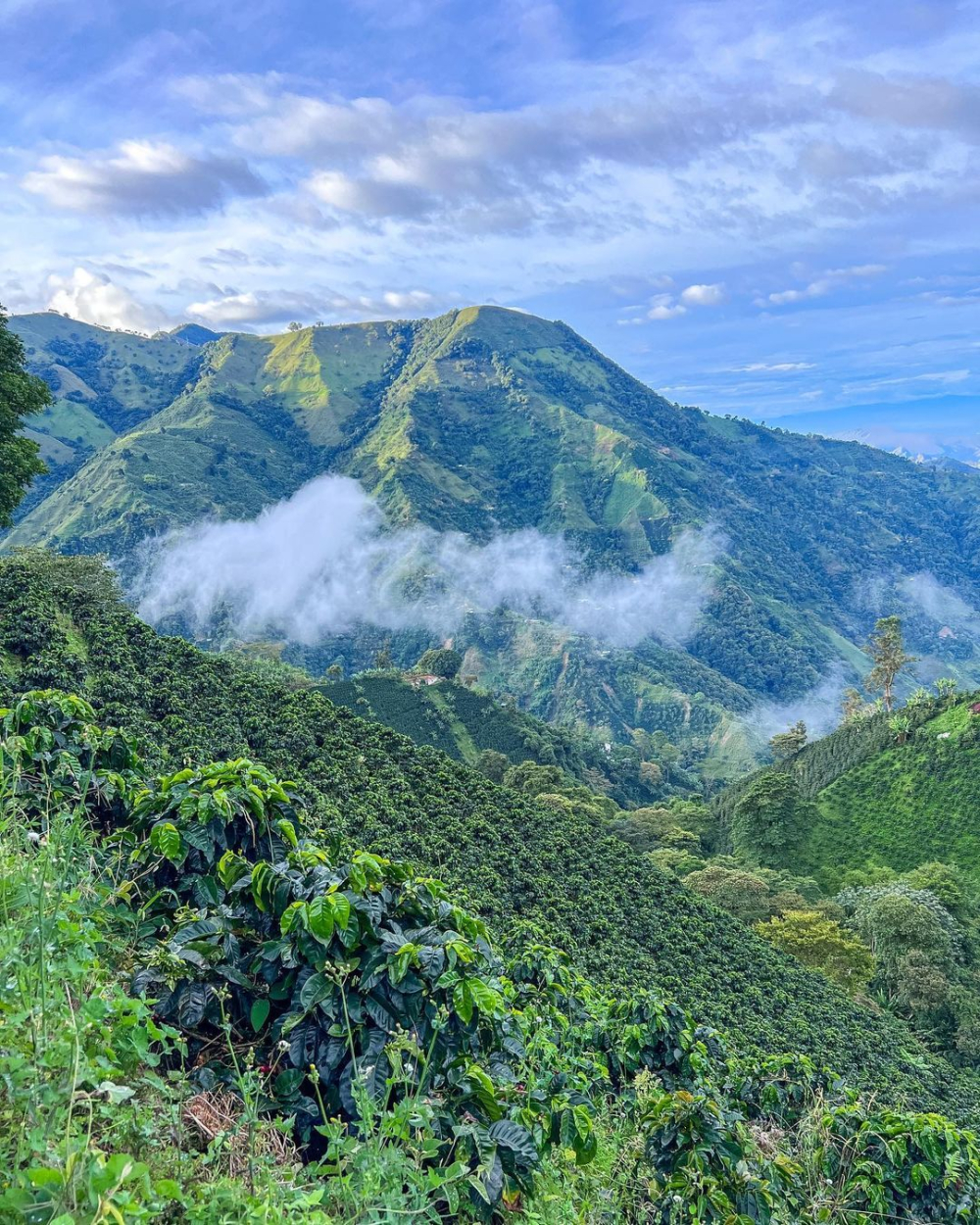
The southern regions of Colombia, especially the departments of Huila, Santander, and Cauca at elevations above 1500 meters, are ideal for cultivating high-quality Arabica coffee due to their cool climate, significant day-night temperature variations, and predominantly volcanic soils. These regions not only produce coffee with structured and layered profiles but also, thanks to meticulous farming by smallholders and refined processing, impart distinctive regional characteristics to each bean.
First, we visit Huila Province, where the coffee is known for its smooth and balanced profile, often featuring notes of chocolate, nuts, and caramel. Among them, coffee from Huila grown in the town of San Augustin, at elevations of about 1750–1950 meters, mainly consists of the Caturra and Catuai varieties, mostly processed using the washed method. Its flavor profile is clear, with prominent nutty aromas upon entry, paired with smooth chocolatey textures and gentle acidity, and a caramel sweetness in the aftertaste—ideal for coffee lovers who prefer balanced flavors.
In Huila Province, the El Diviso farm has recently gained recognition for its anaerobic natural processing method. Run by Ramirez, a member of a coffee-growing family, he modified the traditional fermentation process to anaerobic natural by fermenting whole coffee cherries in an oxygen-free environment before sun-drying them. The anaerobic fermentation takes place in sealed stainless steel containers, with the temperature strictly controlled between 10–15°C for about three days. This method slows down the breakdown of sugars in the mucilage, resulting in a more concentrated sweetness and a more balanced flavor. The farm’s signature bean “Flor de Luna” is of the Caturra variety, grown at 1800 meters, and is known for its intense strawberry aroma, juicy texture, and jam-like sweetness, with a subtle cocoa note in the aftertaste.
Turning to Santander Province in northern Colombia, this region sits at elevations of about 1400 to 1600 meters, and its coffee is distinguished by vibrant floral notes and a long-lasting aftertaste. The well-known Finca El Granja focuses on washed and anaerobic processing techniques, carefully selecting fully ripe coffee cherries and employing double anaerobic fermentation combined with special enzyme complexes to enhance sweetness and complexity. Its signature bean “Valle de las Rosas,” using the Caturra variety at 1700 meters, is processed through anaerobic enzymatic washed method, presenting complex aromas of peach, rose, and liqueur chocolate, with a juicy peach-like mouthfeel and a creamy toffee-like smooth texture.
Finally, we arrive at Cauca Province in southern Colombia, the country’s certified coffee origin region. With an average elevation of 1758 meters—some areas even exceeding 2100 meters—it features typical Andean terrain and microclimates. The fertile volcanic soils and concentrated rainy seasons contribute to the unique flavor potential of the coffee. Finca El Paraiso (Paradise Estate) is a representative farm in this region, founded by Diego Samuel in 2008. Initially just 2.5 hectares, it has now become a model of specialty coffee. Its “Sakura” coffee beans, of the Bourbon variety and processed using anaerobic natural method at 2050 meters, deliver a highly layered flavor profile with berry juice sensations, strawberry jam sweetness, and lingering notes of mint tea and herbs—perfect for those who enjoy bright fruitiness and distinctive aromas.
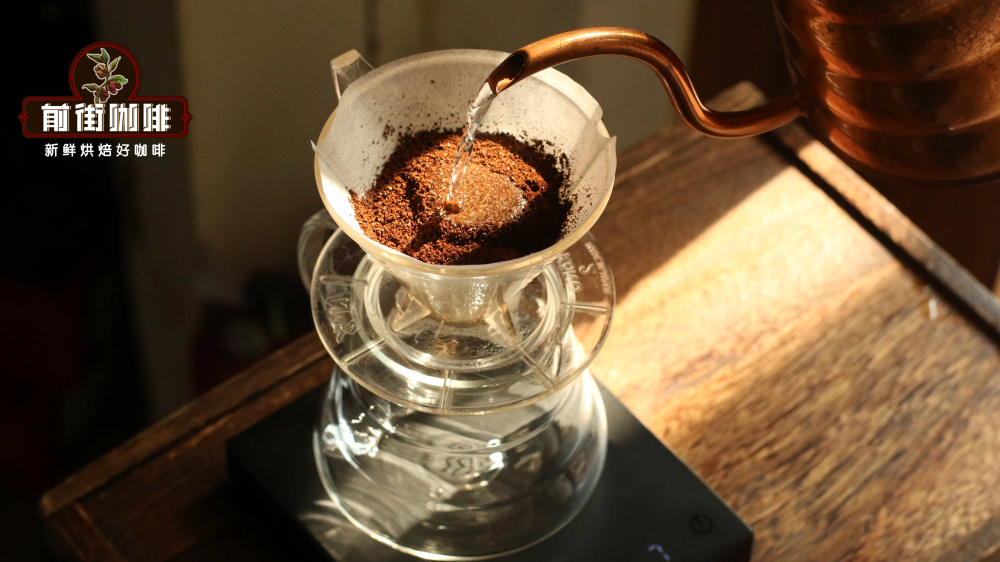
For brewing, it is recommended to use a V60 filter cone. Its wide opening and spiral ribs facilitate air release, enhancing extraction efficiency, and are particularly well-suited for highlighting the acidity, sweetness, and aroma of Colombian coffee. Recommended parameters are as follows: water temperature controlled at 90–91°C, grind size around EK43s setting 9 (equivalent to the coarseness of fine sugar), and a coffee-to-water ratio of 1:15. Specific technique: start with a 30-second bloom using 30 grams of water, then pour 95 grams (total around 125 grams) within about 1 minute; when the water level drops to two-thirds of the coffee bed, pour the remaining 100 grams (total around 225 grams) over approximately 1 minute and 40 seconds, and finish dripping between 1 minute 55 seconds and 2 minutes to enjoy a cup of distinctly flavorful Colombian pour over coffee.
The above content is compiled by CoffeeHunters, a coffee news website.


