







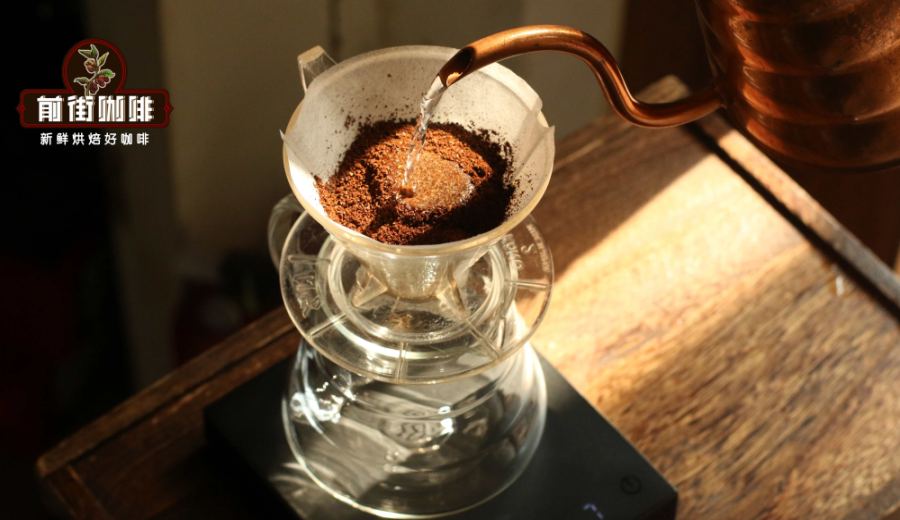
Introduction:Drip bags are a simple solution for enjoying freshly ground coffee flavors at home, allowing you to brew high-quality coffee without complicated equipment. This article uses an Ethiopian Yirgacheffe drip bag as an example to detail the correct brewing steps and cold brew conversion techniques, covering water temperature control, coffee-to-water ratio, and extraction time, providing a complete reference. It also shares key points in selecting drip bags and their flavor characteristics, helping readers master essential parameters and enhance their home coffee experience.
For coffee enthusiasts who prefer to enjoy fresh coffee at home but don’t want to invest in professional equipment, drip bags are an ideal choice that combines convenience and flavor. Through practical demonstrations, this article systematically explains the selection principles of drip bags, the standard pour over process, and further analyzes how to make cold brew using the same drip bag. Using a popular Yirgacheffe region drip bag as an example, it guides readers from basic preparation to completing the brew, mastering key techniques.
When selecting drip bags, it’s recommended to first pay attention to the roast date. Freshly roasted coffee grounds can retain optimal flavor even in sealed packaging, with the ideal state being use within three weeks of roasting. If exceeding two months, aroma and complexity may noticeably decline. Additionally, complete product information labeling is also an important reference, including details such as coffee bean variety, origin, roast level, and grind size, which help anticipate the flavor profile after brewing.
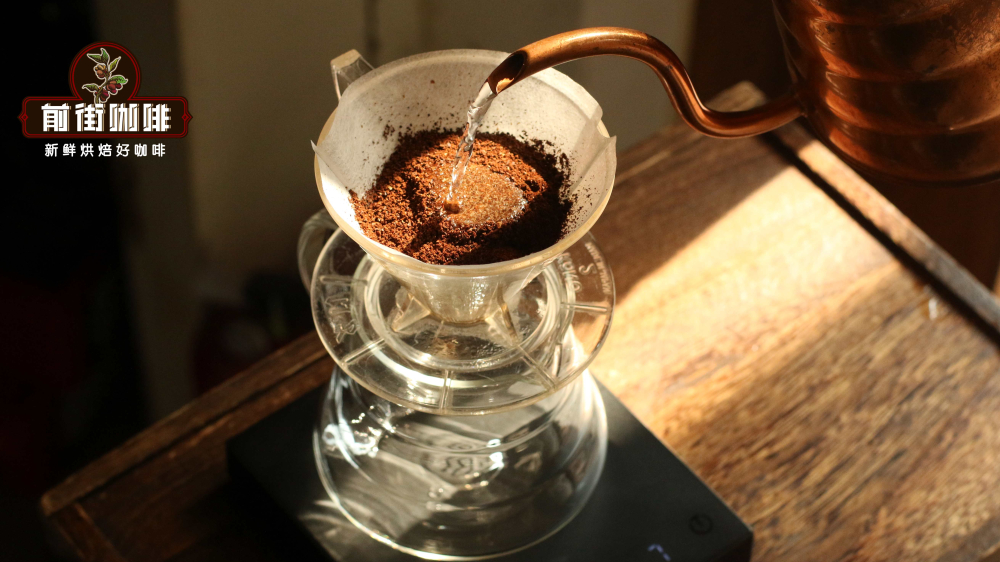
Compared to instant coffee, drip bag products retain more of the original flavor characteristics of coffee, without adding artificial flavorings or creamers, making them healthier. From an economic perspective, their unit price is usually lower than professionally brewed drinks at cafes, and the brewing process doesn’t require expensive equipment, making them suitable for users who are frequently on the move or prefer simple operation. Common drip bag series on the market cover diverse regional flavors, such as Brazil, Colombia, and Indonesia Mandheling, allowing consumers to choose products with different processing methods and roast styles based on personal preference.
The Yirgacheffe drip bag demonstrated here originates from Ethiopia’s renowned high-altitude region, where the average cultivation height ranges between 1700 and 2200 meters. The relatively low ambient temperature slows the ripening of coffee cherries, prompting the beans to accumulate richer aromatic substances and acidity structure. Local farmers take pride in producing coffee with distinct floral and fruity notes. The unique lemon-like acidity, honey sweetness, and soft citrus aftertaste of this variety have become classic identifying features of Yirgacheffe flavor. Specifically, in 2004, the Ethiopian government officially registered “Yirgacheffe” as a protected geographical indication name, ensuring the uniqueness of coffee from this region.
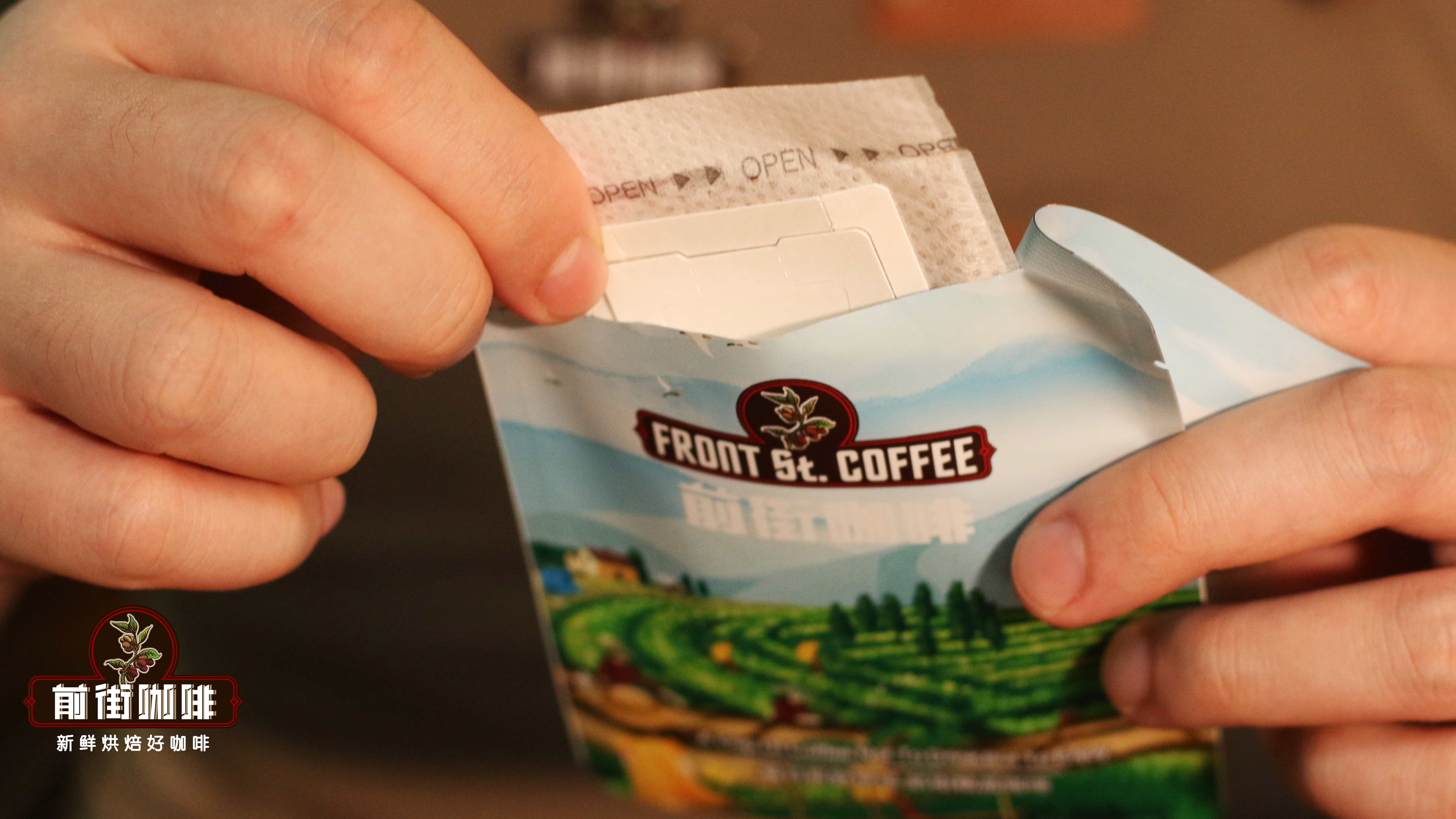
The standard pour over process recommends using a drinking vessel with an 8–9 cm rim to ensure the drip bag’s two “ears” are securely mounted. In the preparation stage, first remove the outer packaging, take out the included drip bag filter, and unfold both side wings. The brewing ratio is recommended to be maintained at 1:15 to 1:16 (coffee grounds:water). Taking a 10g drip bag as an example, the total extracted liquid volume is about 140–150 ml. Water temperature control is a key step, with the ideal range being around 90°C. If professional temperature control equipment is unavailable, letting boiled water sit for 2–3 minutes (at 28°C room temperature) can achieve the target temperature.
During actual operation, first perform a 30-second blooming process to activate the coffee grounds, then pour water steadily in a small stream along the edge of the filter in a circular motion, adjusting the total water volume according to the container size. If using a 300 ml glass cup, it’s recommended to stop pouring when the cup is about 70% full. It’s important to note that each drip bag is only suitable for a single brew, as the soluble substances in the coffee grounds are fully released during the first extraction. Reusing it will result in a weak flavor. Although this single-use design may seem wasteful, considering the shelf life of freshly ground coffee and the reasonable pricing of commercial drip bags, it remains a cost-effective option.
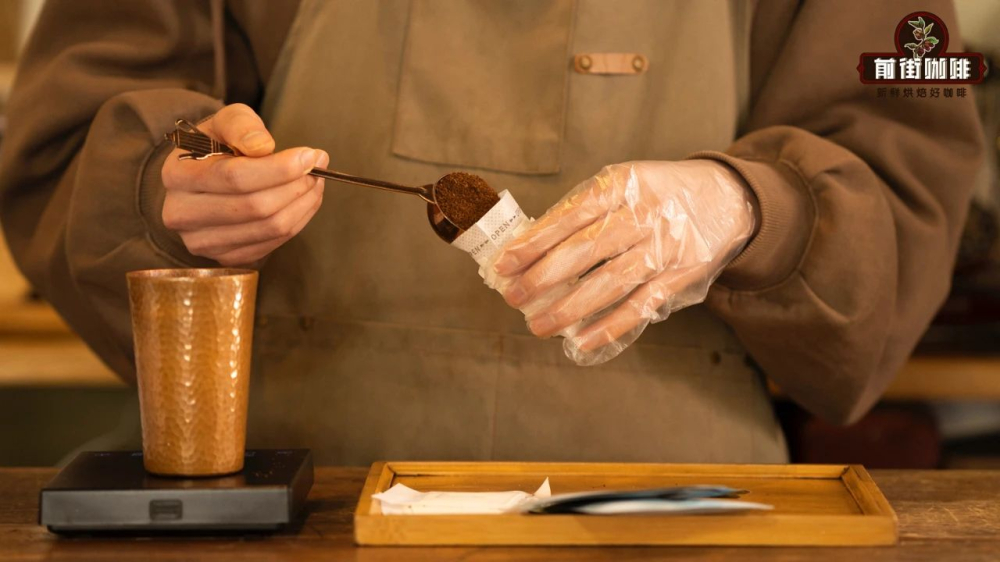
When converting to cold brew mode, prepare a clean and tightly sealable container. Pour the coffee grounds directly from the drip bag filter into the container, keeping the filter structure as a subsequent filtration medium. The golden coffee-to-water ratio for cold brew is 1:10. Taking a single 10g pack as an example, add 100 ml of ice water or room temperature cold water as the base. It’s recommended to seal the container tightly and place it in a refrigerated environment, letting it steep for 12 to 14 hours to achieve the best balance.
After completing the cold brew, remove the drip bag filter and use its side wings to secure it over the target cup rim, then slowly pour the mixture in to filter out the grounds. If you desire a stronger iced coffee flavor, adjust the ratio to 1:12 to 1:13, increasing the coffee grounds proportion to intensify the flavor strength. The actual water volume can be flexibly adjusted according to personal taste, but be aware that too high a ratio may result in a thin taste, while too low may easily lead to over-extracted bitterness.
Additional practical tips: During pour over, it’s recommended to use a fine water stream for steady pouring, avoiding overly fast flow that can cause uneven extraction; during cold brew, gently shake the container every 8 hours to promote even extraction. For storage, unused drip bags should be kept in a cool, dry place, and it’s advised to use them as soon as possible after opening to ensure flavor integrity. Mastering these details allows even beginner coffee drinkers to easily brew beverages at home that approach a professional level.
The above content is compiled by CoffeeHunters, a coffee news website.


