








Introduction:Want to enjoy an iced coffee in the sweltering summer but can’t decide between iced Americano, cold brew, or ice drip? These three types of iced coffee not only differ in brewing methods but also have distinct flavor profiles. This article delves into their production principles, taste differences, suitable scenarios, and addresses scientific insights regarding caffeine content and acidity myths—helping you find the perfect iced coffee based on your personal taste preferences and needs.
When you walk into a café and order a black iced coffee, the barista often asks whether you’d like an iced Americano, ice drip, or cold brew. Though all three may seem like iced coffee options, they vary significantly in brewing methods, extraction times, and flavor characteristics. Understanding these differences allows you to make the best choice for different situations.
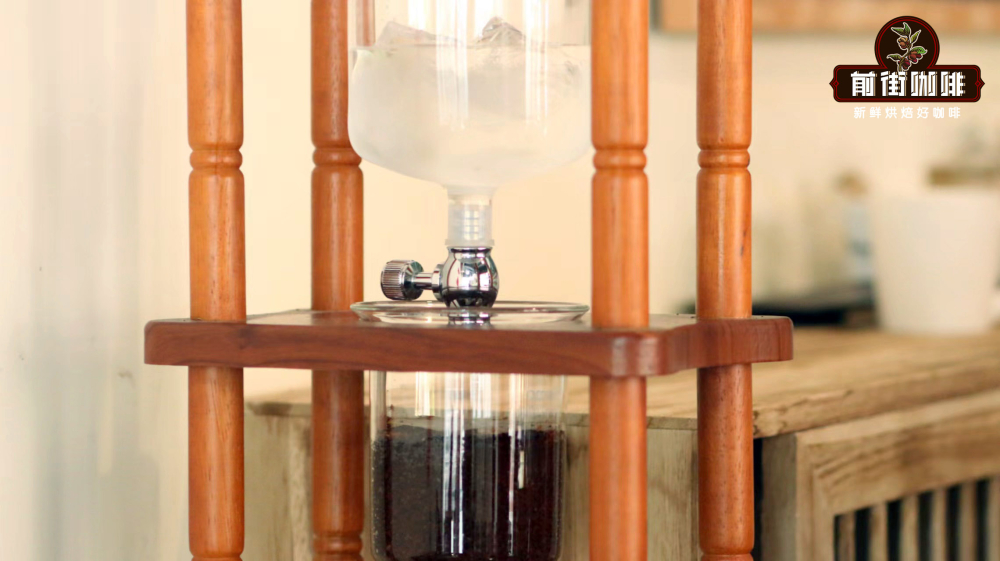
First, let’s take a look at cold brew and ice drip—this pair of “iced coffee twins.” Both are low-temperature, long-duration extraction methods, but the techniques are entirely different.Cold brew involves steeping coarsely ground coffee powder in cold water for over 12 hours, making it an immersion-style extraction; whereasice drip uses slowly dripping ice water—about seven drops per ten seconds—to penetrate through the coffee grounds, which is a drip filtration-style extraction. Due to the lengthy process, many cafés offer these in limited quantities, so it’s advisable to inquire in advance if you want to try them.

Compared to iced Americano, the difference becomes even more apparent.Iced Americano is made by extracting espresso under high temperature (~93°C) using a 9-bar pressure espresso machine, then mixing it with an equal amount of cold water, resulting in a process that takes just a few minutes and is very convenient. However, due to the high-temperature extraction, it tends to extract more acids and off-flavors, and its flavor clarity is not as good as cold brew or ice drip.
Speaking of the flavor of ice drip coffee, what stands out the most is itscombination of richness and cleanliness. The ice water drips drop by drop through the coffee grounds, and the low-temperature environment helps preserve aromatic compounds to the greatest extent while minimizing the release of impurities. However, it’s worth noting that freshly dripped ice drip coffee contains a large amount of carbon dioxide, meaning its flavors haven’t fully developed yet. It’s recommended to pour it into a pre-chilled, oil-free, odorless sealed container and let it sit in the fridge for at least eight hours to allow gases to dissipate and the flavor to reach a higher level.
As for cold brew coffee, though it also has a rich mouthfeel, it is slightly less clean in taste compared to ice drip. Nonetheless, its biggest advantage is the ease of preparation: simply prepare a clean, lidded container, mix the coffee powder and cold water in proportion, refrigerate it for 12 to 24 hours, and then filter out the coffee grounds to enjoy. This method can be easily done at home and is ideal for coffee lovers who enjoy DIY.
Many people are concerned about the shelf life of these three types of iced coffee. Even when stored in sterilized glass containers in the refrigerator,it is recommended not to keep them for more than three days. Low temperatures can inhibit bacterial growth but cannot completely eliminate it. For the sake of both flavor and hygiene, it’s best to consume them as soon as possible.
Now, let’s talk about a common misconception: is iced Americano more acidic? In reality, high-temperature hot water extraction tends to extract more acidic substances from the coffee, especially when using light or medium roast beans, where the acidity can be more pronounced. By contrast,cold brew, extracted entirely with cold water at low temperatures, does not easily dissolve larger molecules such as tannic acids that can cause astringency and sourness, so it is often considered smoother in taste and lower in acidity. Some studies indicate that the titratable acidity of cold brew coffee can be up to 67% lower than that of hot-brewed coffee that has been cooled. Additionally, because it isn’t boiled at high temperatures, it avoids the formation of furfuryl aldehyde, further reducing bitterness.
So, which of these three iced coffees has the highest caffeine content? The answer actually depends on the bean variety and extraction volume. Generally speaking,Arabica coffee beans contain about 0.8%–1.5% caffeine, while Robusta beans can be as high as 1.7%–3%. Roast levels have minimal impact on caffeine content—whether extremely light or dark roast, caffeine levels remain fairly stable, typically around 1.4%.
Many assume that espresso has the most caffeine, but in facta single 30 ml shot of espresso contains about 64–75 mg of caffeine, meaning its caffeine content is actually lower than that of regular drip coffee. It’s just that espresso is usually served in smaller portions and is often diluted with water or milk, which leads to the misconception that it’s more “energizing.”
As for cold brew, ice drip, and iced Americano, since all use low-temperature or room-temperature extraction, the efficiency of caffeine release is not as thorough as with high-temperature extraction. Therefore,the total caffeine content among the three is actually quite similar. If you’re seeking maximum alertness, you may adjust the amount of coffee grounds or the serving size according to your personal tolerance.
In summary, choosing between iced Americano, cold brew, or ice drip depends on your preferences for flavor, acidity, ease of preparation, and situational needs. If you want something quick and convenient, iced Americano is a great option; if you’re after a rich flavor and are willing to wait, both cold brew and ice drip can deliver a more complex and low-acid iced coffee experience.

The above content is compiled by CoffeeHunters, a coffee news website.


