







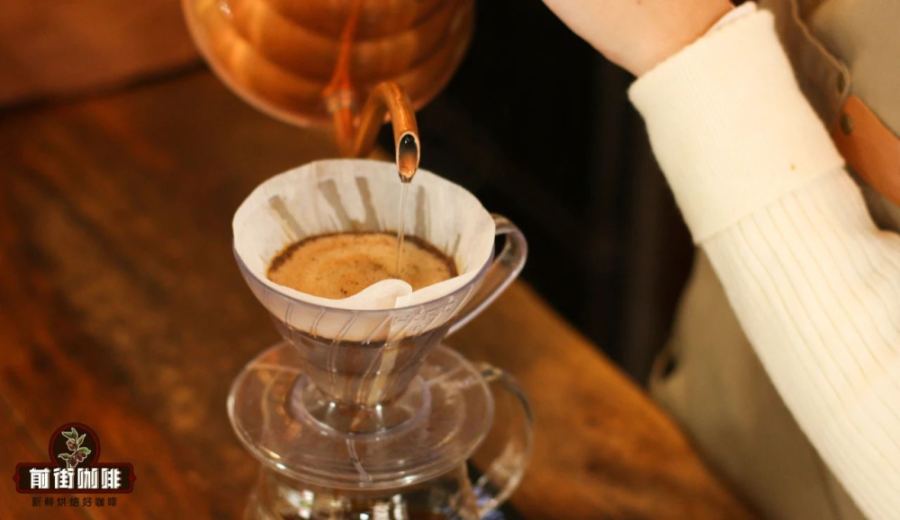
Introduction:Want to brew a layered Ethiopian coffee using the V60 dripper? Every step—from grind size and water temperature to pouring technique—affects the final flavor. This article dives deep into the design principles of the V60 dripper, helping you master the golden coffee-to-water ratio and extraction time. Using Yirgacheffe Gu Ding Ding as an example, we’ll demonstrate how a three-stage pour can bring out citrus acidity, berry sweetness, and tea-like notes. Even beginners can get it right with ease.
Many pour-over enthusiasts face a common issue: even when using the same V60 dripper, their brewed coffee often tastes flat and uninspiring. In reality, every detail—from the freshness of the roast, grind size, coffee-to-water ratio, water temperature, pouring method, to total extraction time—directly impacts the flavor profile. Focusing on the classic V60 dripper and using Ethiopia Yirgacheffe’s Gu Ding Ding coffee as an example, this guide explains how to adjust parameters precisely and use the three-stage pour technique to fully unlock the coffee’s citrus acidity, berry sweetness, and unique tea-like character.
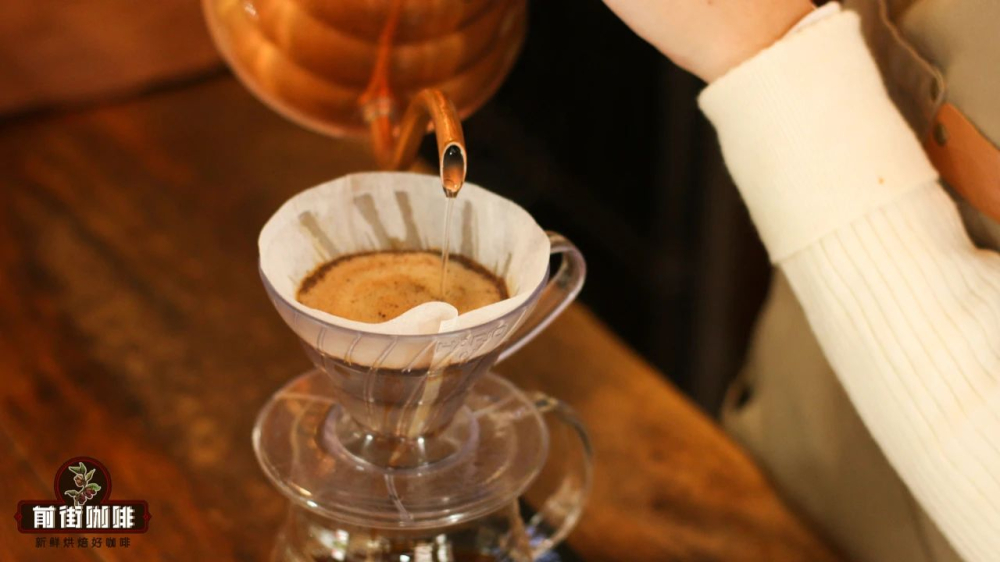
The V60 dripper, a top choice for pour-over beginners worldwide, was developed by Japan’s Hario company. The “V” in its name stands for its conical shape, while “60” refers to the 60-degree angle between the cup wall and the vertical line—a tested golden angle that guides coffee grounds naturally toward the center of the dripper, concentrating the water flow through the coffee bed. This ensures each coffee particle is evenly in contact with hot water, achieving optimal extraction.
Looking into the structural design of the V60, the spiral ribs on the inner wall are a key highlight. These ribs, extending from the bottom to the top of the dripper, create airflow gaps between the filter paper and the cup wall, speeding up the drainage. Notably, the ribs are arranged clockwise; matching your pouring direction (circling clockwise) reduces water resistance, while going against it may slow down flow. Additionally, the large single hole at the bottom also contributes to maintaining a consistently fast extraction pace.
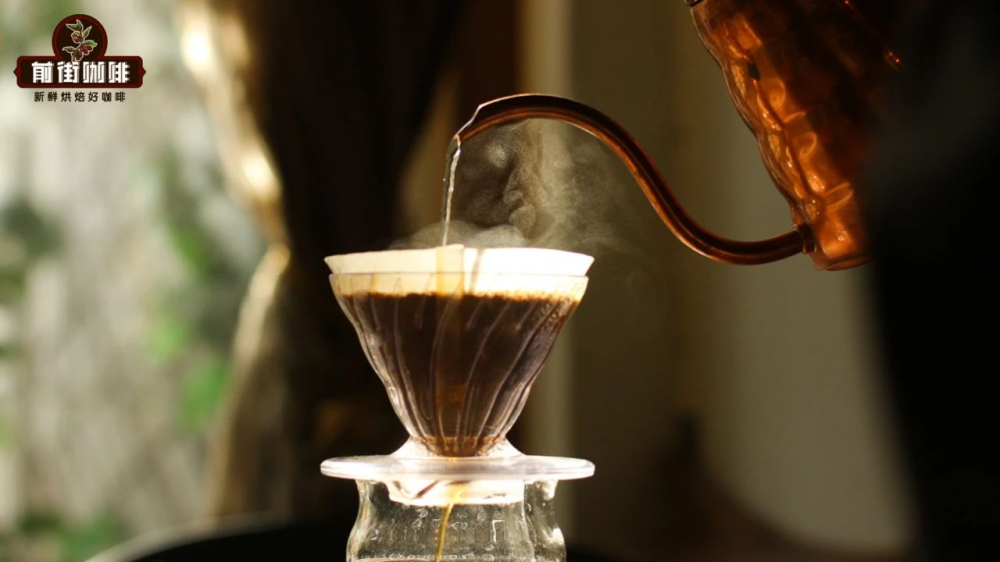
To brew an ideal cup with the V60, six key factors must be considered: coffee bean freshness, grind size, coffee-to-water ratio, water temperature, pouring technique, and total extraction time. First, the freshness of roasted beans is crucial—practical experience shows that freshly roasted beans are at their peak flavor within 30 days post-roast, when CO₂ and aromatic compounds are abundant. After two months, beans tend to taste dull due to flavor loss.
Adjusting grind size directly affects flow rate and extraction yield. For example, with the EK43s grinder, medium-light roasted beans are recommended to be ground to the fineness of caster sugar (settings 9–10), where the smaller gaps between coffee particles create more resistance, prolonging extraction time and enhancing intensity. Medium-dark roasted beans suit the coarseness of granulated sugar (settings 10–11), with larger gaps preventing over-extraction and preserving a clean taste.
The coffee-to-water ratio is a core parameter determining the strength of your coffee. According to the SCA Golden Cup extraction theory,the golden range of1:14.5~1:15.5 (approximately 1:15)
best balances extraction yield (18%–22%) and concentration (1.15%–1.35%). Within this ratio, coffee can showcase a full spectrum of flavors without being overly strong or weak.Water temperature should be adjusted based on roast level:medium-light roasted beans are recommended at 90–91°C, while medium-dark roasted beans should be lowered to 88–89°C.
If you detect noticeable bitterness or astringency, try lowering the water temperature slightly; if the flavor is thin and lacks complexity, consider slightly increasing the temperature to extract more flavor compounds.
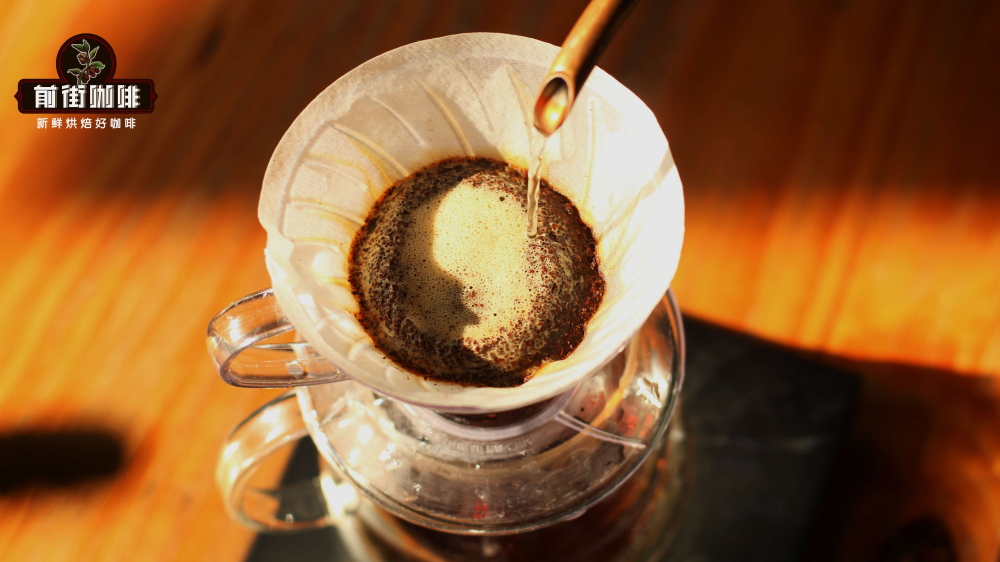
Baristas who focus on extraction techniques often use the three-stage pour method. Take the first stage—bloom—as an example: use twice the weight of coffee grounds in water (e.g., 30 grams of coffee with 30 grams of water), and let it bloom for 30 seconds to allow the coffee grounds to fully expand, release CO₂, and initiate the release of flavor molecules. Be patient and wait until the coffee bed stops expanding before proceeding to the next pour.
The second and third stages of pouring focus on extracting soluble flavor compounds. About 70% of coffee beans consist of insoluble cellulose, while the remaining 30% of soluble compounds dissolve in sequence based on molecular size: small-molecule acids and aromas (like citrus and floral notes) are released first, followed by medium-molecule sweetness (such as fruit juice or honey-like sweetness), and finally large-molecule bitter compounds. By controlling the pouring speed and intervals, you can effectively adjust the proportion of flavors presented at each stage.Total extraction time is equally critical. In practice, when using 15 grams of coffee with a 1:15 coffee-to-water ratio, it’s advised to keep the total time between2 minutes and 2 minutes 30 seconds,
ensuring sufficient extraction while avoiding over-extraction that leads to off-flavors. Larger pour volumes and faster water flow will naturally shorten the total time, so adjustments should be made according to actual conditions.
The above content is compiled by CoffeeHunters, a coffee news website.


