







Introduction:An in-depth exploration of the Natural Geisha coffee beans from Casa Ruiz, S.A. in the Boquete region of Panama. From origin background and processing method to roasting and cupping performance, we detail its multi-layered flavors of berries, floral notes, and cane sugar. Practical pour over parameters and three-stage extraction tips are also provided to help you fully unlock the potential of this premium bean.
The Boquete region of Panama, blessed with a unique microclimate and high-altitude environment, produces numerous world-class specialty coffees, among which the Geisha variety stands out the most. Located in this area, Casa Ruiz, S.A. has been a representative coffee producer since its establishment in 1920 and has consistently achieved outstanding results in the Best of Panama (BOP) international auction. What we’re introducing today is their Natural-process Geisha coffee bean, celebrated for its rich tropical fruit and tea-like flavor profile, making it a sought-after choice among coffee enthusiasts.
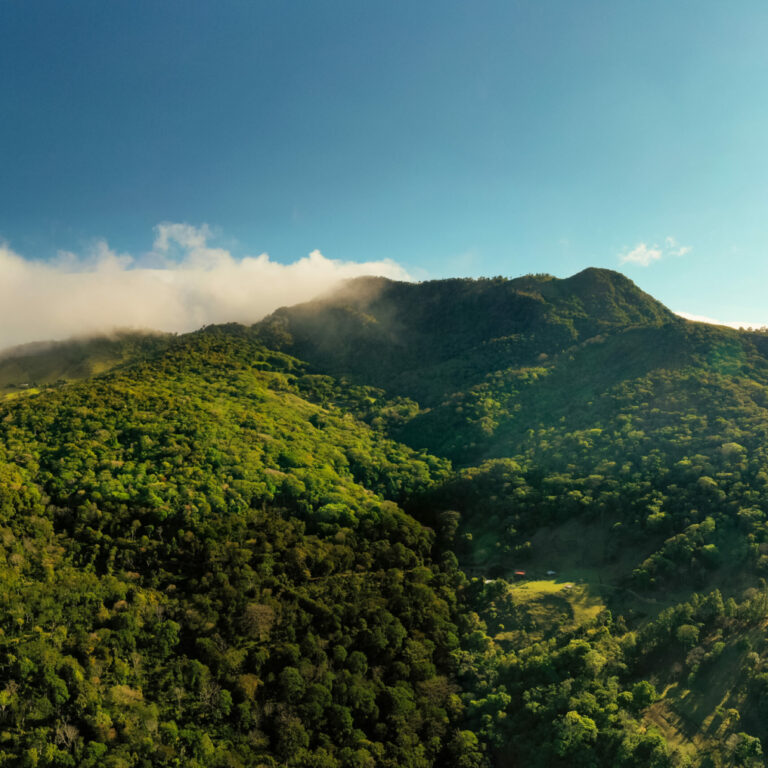
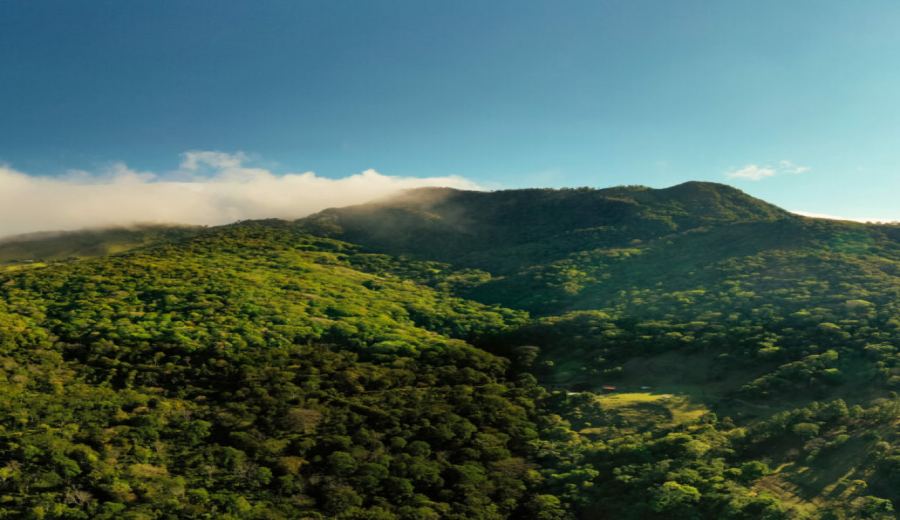
The Boquete region benefits from the geographical barrier of the Baru Volcano, along with an average annual temperature of 14–24°C and annual rainfall reaching approximately 3,000 mm, mostly concentrated during the rainy season from May to November. This creates an ideal environment for growing the Geisha variety. Casa Ruiz, S.A. is situated here at an altitude between 1,600 and 1,650 meters—the optimal range for Geisha to express its unique aroma and complexity. The fertile soil and significant day-night temperature variation in this area help coffee cherries ripen slowly, accumulating more flavor compounds.
Casa Ruiz, S.A. is currently managed jointly by Mr. Plinio Antonio Ruiz González and his wife, Elisa Aurora Araúz de Ruiz. They not only maintain traditional farming practices but have also implemented rigorous modern processing protocols. In addition to the historic Casa Ruiz estate, they also manage three other farms: La Berlina, Maunier, and Panamaría, and operate their own coffee sales channel and showroom, CAFÉ RUIZ. The estate upholds high standards in green bean processing, selection, and storage, earning high praise for its coffee’s aroma expression and consistency.
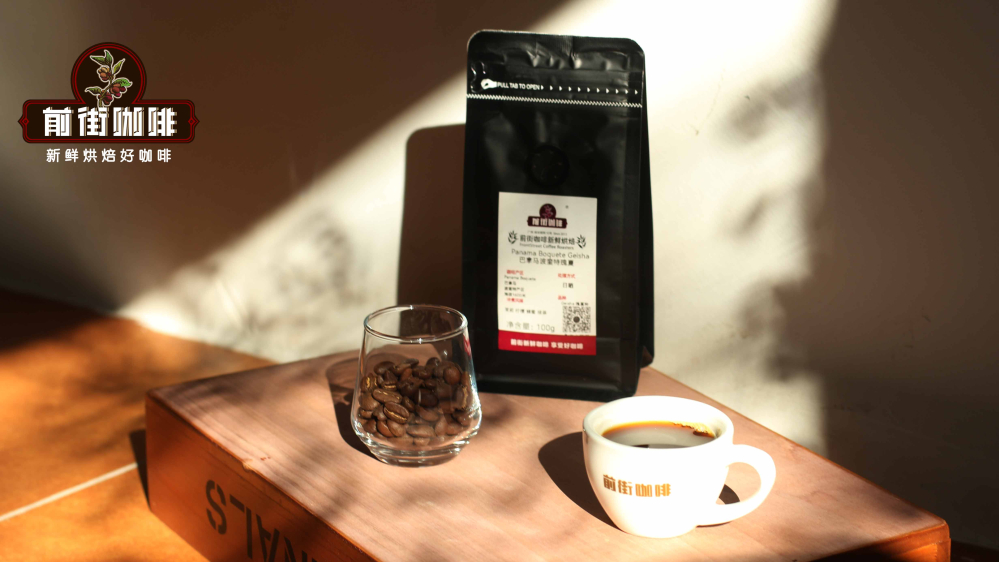
The star of this article—the Natural Geisha from Casa Ruiz—is crafted using a carefully controlled premium Natural (dry) process. After harvest, unripe or defective beans are first removed, and then the coffee cherries are placed on specially designed elevated drying beds. This setup ensures good ventilation and avoids the influence of ground moisture and odors. Over the course of 18 to 30 days of drying, workers turn and sort the beans hourly, removing any subpar ones to ensure even drying—ultimately highlighting a rich sweetness and gentle acidity.
This Natural Geisha reveals pronounced berry-like acidity and sweetness, a refreshing tea-floral note, along with a dense sweetness reminiscent of cane sugar and the tartness of citrus-like fruits. The aftertaste carries a soft black tea sensation, presenting an overall balanced and dynamic cup. It is well-suited for coffee drinkers who enjoy both fruity and sweet profiles. Upon receiving the green beans, one coffee roaster immediately conducted a cupping session, where the dry aroma was dominated by berries, while the wet aroma revealed elegant floral notes. During brewing, a distinct juiciness was apparent, with a clear and layered flavor profile.
Regarding roasting, the roaster selected the Yangjia 800N semi-direct-fire roaster with a charge of 300 grams. The raw beans have an elongated shape, a yellowish-green hue, and some residual silver skin—all typical characteristics of Natural Geisha. Given the inherent citrus and floral attributes of the Geisha variety, the roaster opted for a medium-light roast to preserve its delicate flavor nuances.
Key milestones during the roast include: reaching the turning point at 1:42 with a temperature of 133°C, maintaining a flame setting of 120 and an air vent setting of 3; by 5:25, the beans turned yellow and entered the dehydration phase, at which point the air vent was adjusted to 4; at 166°C, the flame was reduced to 100, and at 173°C, further decreased to 60. By the 8-minute mark, the bean surface exhibited wrinkles and dark spots, signaling the start of first crack. Close attention was paid to the sound changes. First crack began at 8:52, the air vent was opened fully to 5, and the batch was dropped at 193.2°C with a development time of 1 minute and 45 seconds, effectively showcasing the flavor layers.
For cupping evaluation, a 200 ml ceramic cup was used with water at 94°C. The grind size passed through a #20 sieve at 70%–75%, with a brew ratio of 1:18.18 (11 grams of coffee to 200 ml of water), and an immersion time of about 4 minutes. Cupping results showed a prominent berry aroma in the dry stage, floral scent in the wet stage, and upon tasting, notes of berry acidity and sweetness, tea flower, cane sugar sweetness, citrus acidity, and black tea finish emerged. The overall profile was very balanced, making it ideal for further exploration via pour over to fully unlock its potential.
For practical pour over brewing, a multi-stage extraction method is recommended to fully highlight its fruit and sweetness layers. Suggested water temperature is 90–91°C, grind size is BG#6M (similar to superfine sugar, or about 80% of a #20 sieve), brew ratio set at 1:15, with 15 grams of coffee. Specifically: the first step is a 30-second bloom with 30 grams of water; the second step involves pouring in a small circular motion until reaching 125 grams, then pausing to let the water level drop; the final stage slowly pours up to 225 grams. Total brew time is about 2 minutes (including bloom). These parameters help balance acidity and sweetness, enhance sweetness, and bring out clear tea flower and juicy fruit flavors.
Overall, the Natural Geisha from Casa Ruiz is a premium coffee bean with expressive depth and refined layers. Whether in professional cupping or home brewing, it showcases its unique tropical fruit sweetness and soft acidity. If you wish to explore the diverse expressions of Panamanian Geisha, this Natural bean from the high-altitude Boquete region is definitely worth trying.
The above content is compiled by CoffeeHunters, a coffee news website.


