







Introduction:Crafting a well-balanced espresso shot relies not only on proper extraction techniques but, more crucially, on selecting high-quality, freshly roasted blend beans. This article delves into the concept of blend composition, methods for identifying roast levels and freshness, and presents four popular, practical blend recipes. It offers a comprehensive guide from bean selection to flavor presentation, providing useful insights for both beginners and professional baristas.
If you aim to brew an espresso with balanced flavors and rich layers, choosing the right blend and accurately assessing its freshness are essential factors. This article will introduce the basics of blends and how to test their freshness in an easy-to-understand way, while also recommending four versatile blend recipes suitable for different scenarios. These will help you gain a fuller understanding of selecting and using espresso beans.
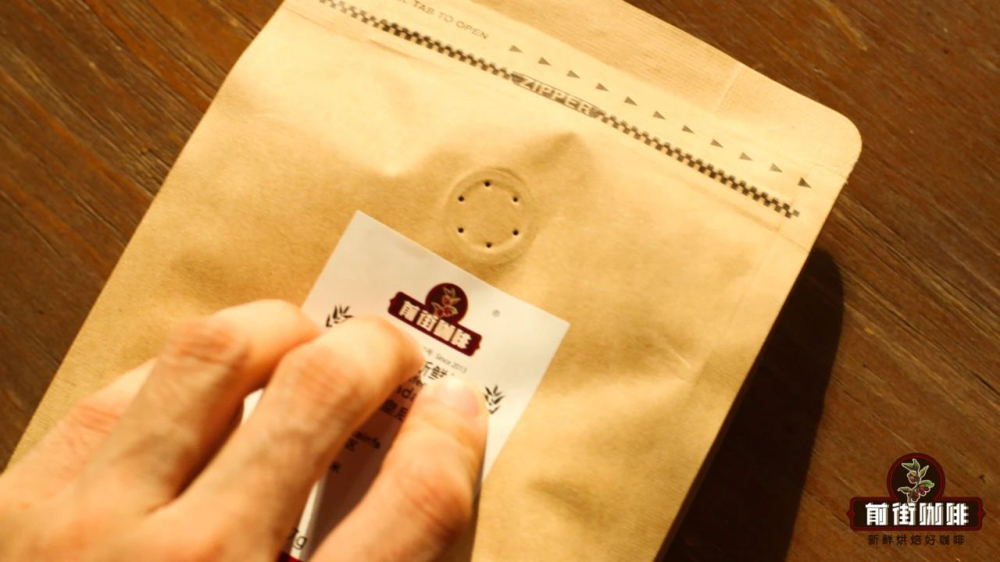
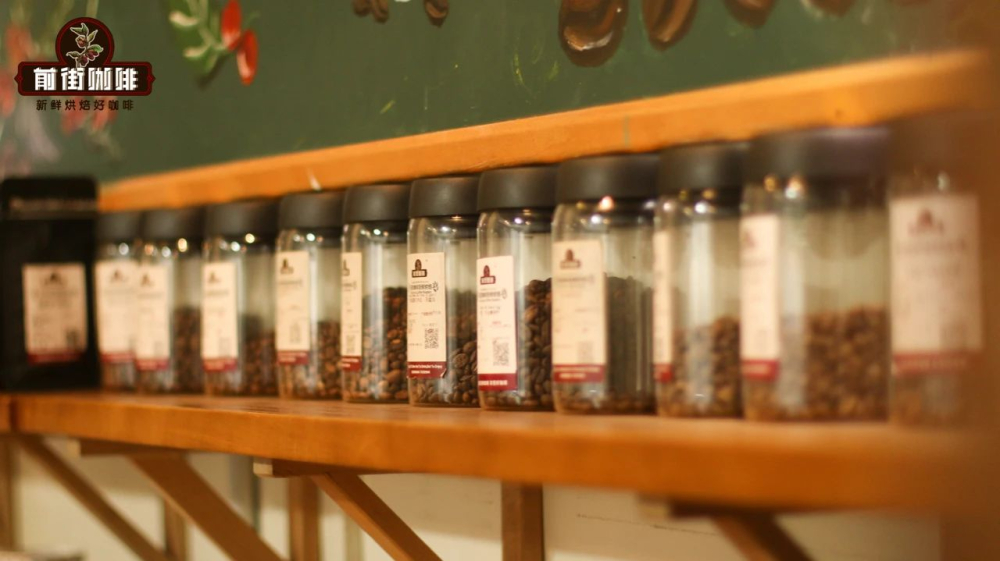
When selecting espresso-specific blend beans, freshness is often the top priority. Consumers are advised to choose products that clearly indicate the roast date (rather than vague best-before dates), and to opt for beans from reputable, professional roasters. Check if the packaging includes a “one-way valve”—the small button-like hole on the top of the coffee bag. This design allows carbon dioxide released during roasting to escape naturally, preventing excessive internal pressure that could spoil the beans.
Testing freshness is simple: gently squeeze the sealed end of the coffee bag and sniff near the one-way valve. If you detect a rich, inviting coffee aroma, the beans are still fresh. Conversely, if the smell is faint or carries notes of rancidity or staleness, it’s better not to purchase them. It’s worth noting that while freshly roasted beans offer more vibrancy, the first two days after roasting usually have high internal CO₂ levels and unstable aromas. For optimal results, store unopened bags in a cool, dry place for at least seven days to allow the beans to “degas” and release excess carbon dioxide before grinding and brewing.
“Blend coffee beans” refer to a mix of single-origin beans from different regions or varieties, combined in specific proportions according to targeted flavor profiles. This approach compensates for the limitations of beans from a single origin—for instance, by combining beans with prominent aromas but lighter body with those that are richer in body but have subtler flavors, creating a more layered and balanced cup. Blending can be divided into two main methods: “pre-blend” (blending green beans before roasting) and “post-blend” (roasting beans separately and blending afterward). Each method has its pros and cons, and the choice should be adjusted based on the characteristics of the beans used in the recipe.
The primary goals of using blends generally fall into two categories: first, ensuring flavor stability. Since coffee is an agricultural product, annual variations in climate and growing conditions can cause slight fluctuations in the performance of a single origin. Combining multiple beans helps buffer these changes and maintain consistent flavor year-round. Second, achieving taste balance—especially under the high-pressure extraction of espresso machines where the characteristics of a single variety can be amplified. Beans that are too acidic or overly bitter can easily throw off the balance. Blends, through the complementary nature of different flavor elements, create a smoother and more harmonious taste experience.
Below are four common and highly practical espresso blend recipes suitable for coffee shops of all sizes and home users, along with their flavor profiles and suggested use cases:
The first is the “Sunflower Warmth” blend, made with 70% Honduran Sherry and 30% Ethiopian Yirgacheffe Red Cherry using the post-blend method. This blend features distinct flavors with soft fruity acidity and berry notes, complemented by rich wine-like aromas and chocolate undertones. It leaves a smooth, comfortable aftertaste with pleasant sweetness. Packaged in half-pound sizes, it’s ideal for small cafes or home enthusiasts seeking high quality without large quantities.
The second is the “Premium Blend,” composed of 30% Colombian and 70% Brazilian beans using the post-blend method. Overall, it delivers a balanced bitterness and sweetness, with a smooth mouthfeel and subtle grassy notes. Its acidity and sweetness are well-balanced, and the finish is clean and refreshing, making it suitable for daily use in most specialty coffee shops.
The third is the “Commercial Blend,” which combines 30% Colombian, 60% Brazilian, and 10% Robusta beans using the pre-blend method. This recipe emphasizes classic espresso flavors, showcasing caramel sweetness along with notes of nuts and dark chocolate. The acidity and sweetness are well-proportioned with moderate bitterness, and it produces good crema, making it suitable for everyday use across various commercial settings.
The fourth is the “Dark Cocoa Blend,” made with 30% Yunnan AA and 70% Brazilian beans using the post-blend method. This blend offers a relatively mild profile with soft fruit acidity, caramel sweetness, and nutty chocolate tones. It has a smooth mouthfeel and medium body, making it suitable for small cafes, bakeries, or users prioritizing cost control and basic flavor needs. It’s also a go-to moka pot blend recommended by many baristas.
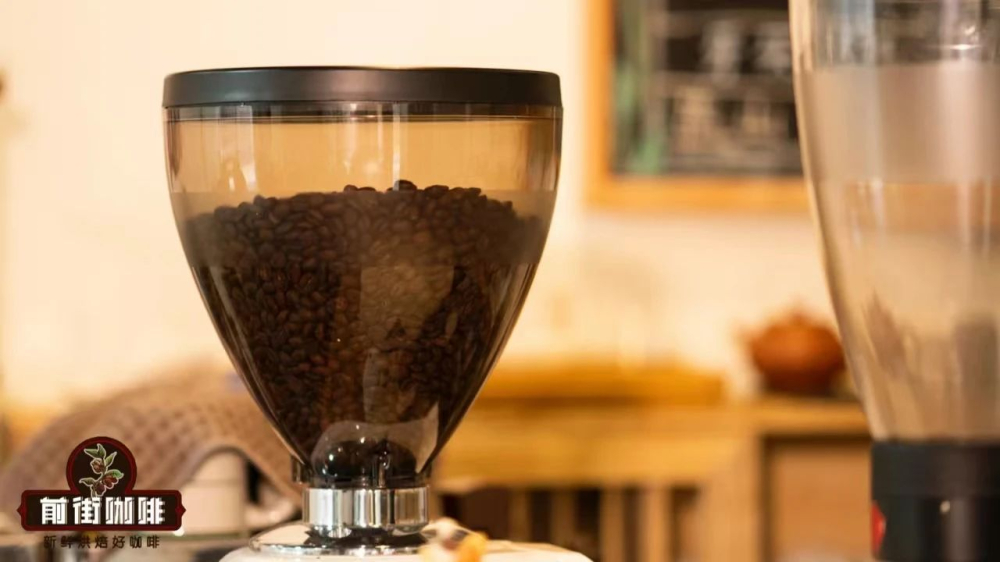
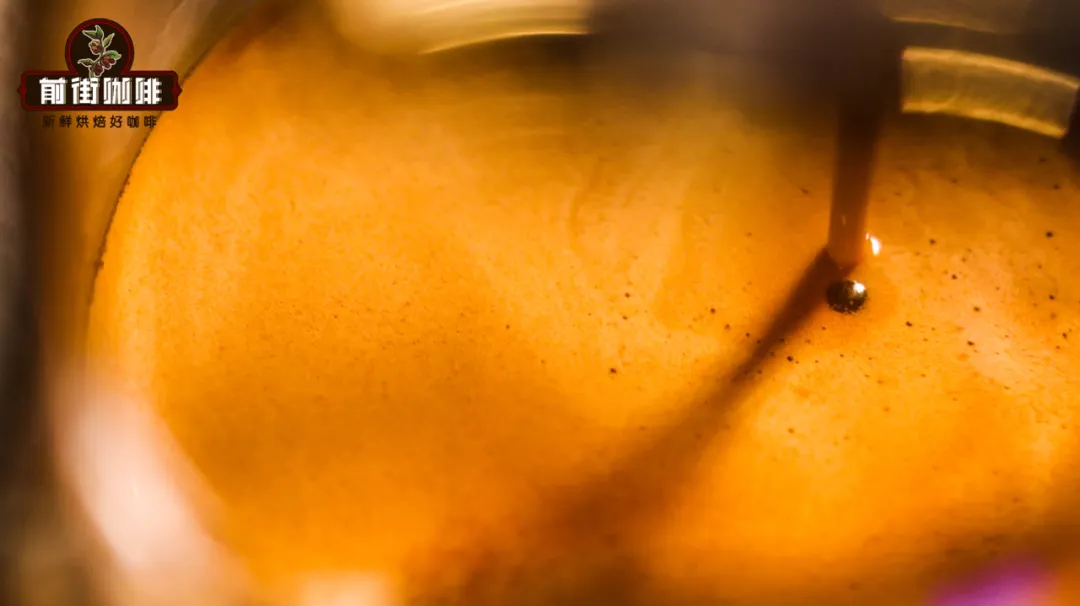
Taking the “Sunflower Warmth” blend as an example, when brewed as espresso, it often reveals a rich layering of flavors: smooth on entry with medium body, featuring noticeable fruit acidity and berry notes, followed by emerging wine-like aromas and deep chocolate tones. The finish offers a long-lasting, sweet aftertaste. This flavor profile is not only enjoyable on its own but also serves as an excellent base for milk-based drinks like lattes and cappuccinos.
The above content is compiled by CoffeeHunters, a coffee news website.


